Quick Answer:
A stunning home transformation starts with a clear visual goal, then works backward through color, lighting, furniture placement, and styling to achieve it. The most effective home decor inspiration pairs an aspirational before-and-after image with practical, budget-conscious steps, so any room—big or small—can feel intentional, calm, and completely yours.
Once you understand the specific choices that create that transformation—lighting placement, a considered color palette, thoughtful furniture flow—the magic becomes far less mysterious and much more achievable.
This guide walks through exactly how to go from an uninspired space to one that feels like a true sanctuary. We will look at real before-and-after principles, help you uncover your personal design identity, and break down the color, lighting, and furniture decisions that make the biggest visual impact.
Along the way, we will keep cost and practicality in mind, because the best home decor inspiration should feel reachable, not just admirable.
By the end, you will have a clear, room-by-room framework for bringing your own vision to life, one intentional choice at a time.
- post content
- The Before-And-After Effect
- Finding Your Design Identity
- Color And Light As Mood Makers
- Furniture Flow And Spatial Balance
- Styling Surfaces With Intention
- Budget-Smart Transformation Tips
- Your Step-By-Step Implementation Plan
- conclusion: Your Home, Your Sanctuary
- FAQs
- view table:content summary
- view notes:collective tips
- view analysis:2026 home decor trends
- view ideas:latest remodeling analysis
The Before-And-After Effect
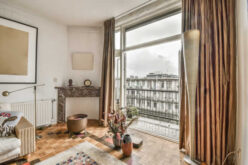
Every striking home transformation shares a few quiet similarities. A once-cluttered corner becomes a reading nook simply because a single oversized chair replaced three mismatched pieces. A dim living room feels sunlit after swapping a harsh overhead bulb for warm, layered lighting.
These shifts are not accidental. They come from identifying the one or two changes that carry the most visual weight in a room, then committing to them fully rather than making a dozen small, scattered tweaks.
Interior designers often point to lived-in, slightly imperfect rooms as the new standard of beauty, replacing the pressure of a flawless, catalogue-neat space. According to House Beautiful’s 2026 design trend report, rooms that feel collected over time—mixing an inherited sofa with a newer rug or a lamp found years apart—tend to feel warmer and more authentic than anything styled all at once.
Keeping this in mind as you plan your own transformation can relieve the pressure to get everything perfect in one weekend.

Finding Your Design Identity
Before choosing a single paint swatch, it helps to understand what you are actually drawn to. Building a simple mood board, whether with physical clippings or a digital app, is one of the fastest ways to notice patterns in your taste.
You might discover you consistently gravitate toward warm wood tones, or that every image you save includes a bold textured rug.
Your design identity should also reflect how you actually live. A beautifully styled coffee table means little if it cannot hold a coffee cup during a busy weekday morning. Take a moment to list how each room is really used, then let that inform your aesthetic choices so the finished space is both lovely and livable.
Color And Light As Mood Makers
Color is rarely just a visual decision. Research published by The Conversation in January 2026 explains that color influences our emotional state, cognitive performance, and even sleep quality, meaning the hue on your wall is doing more work than you might assume.
Soft, low-saturation shades tend to support long-term comfort better than bright, high-saturation ones, with muted greens linked to creativity and calm, and blues associated with improved focus.
A practical way to apply this is the well-known 60-30-10 rule: 60 percent of a room in a dominant color, 30 percent in a secondary tone, and 10 percent reserved for an accent. This structure keeps a room feeling cohesive rather than chaotic, whether you are working with a sage, cream, and brushed gold palette or a deeper espresso-brown scheme, one of the standout hues for 2026.
Lighting deserves equal attention. Layering ambient, task, and accent lighting—rather than relying on a single overhead fixture—adds depth and highlights the colors and textures you have chosen, making even a modest room feel intentional.
selecting color palette

How to Choose the Perfect Color Palette for Your Home
Choosing the right color palette for your interior painting can dramatically transform your living space, making it feel more inviting and tailored to your personal style.
Furniture Flow And Spatial Balance
Furniture arrangement determines whether a room feels open or cramped, no matter its actual square footage. Start by identifying the natural walking path through the space, then arrange furniture to support that movement rather than block it.
Floating a sofa away from the wall, for instance, can create a more defined and inviting conversation area in an open-plan room.
Multifunctional pieces are especially valuable in smaller homes. A storage ottoman, a bench with hidden compartments, or an extendable dining table allows a room to adapt to different needs without feeling overcrowded.
Balance also matters visually: pairing a large piece with smaller, lighter ones nearby keeps the eye moving comfortably around the room instead of settling on one bulky focal point.
Styling Surfaces With Intention
Once the larger furniture and color decisions are settled, styling is where a room’s personality truly comes through. The rule of three, grouping decorative objects in sets of three varying heights, remains one of the simplest ways to create a balanced, curated shelf or tabletop display.
Personal collections are also having a meaningful moment. Rather than filling shelves with generic decor, House Beautiful’s 2026 trend coverage highlights the appeal of grouping specific, personal items together, such as travel souvenirs, vintage glass bottles, or a favorite stack of old magazines.
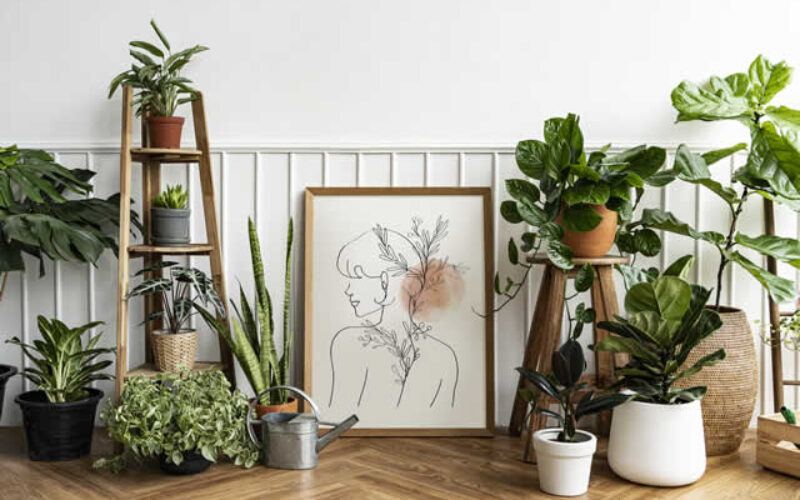
Displayed together with intention, these pieces carry a warmth that store-bought accessories simply cannot replicate. Live plants and artwork remain reliable ways to add life and color without introducing clutter, as long as each piece earns its place rather than filling empty space by default.
Budget-Smart Transformation Tips
A high-impact room refresh does not require a complete furniture overhaul. Paint remains one of the most affordable ways to transform a space, particularly with warmer, yellow-based neutrals currently favored for how they counteract cool, flat light.
Vintage and secondhand furniture sourced through resale platforms is another smart investment, offering character and craftsmanship often missing from mass-produced pieces while keeping costs down.
Prioritize spending on items that affect comfort and durability daily, such as a well-made sofa or a supportive mattress, and save on decorative accents that are easy to swap seasonally. Small upgrades, like replacing a plain lampshade or adding a textured throw, can echo a much larger renovation at a fraction of the cost.
Your Step-By-Step Implementation Plan
With your vision, palette, and furniture plan in place, work through the transformation in stages rather than all at once. Begin with the largest and most permanent decisions, like paint and major furniture placement, before layering in lighting, textiles, and smaller styling details. This sequence prevents costly mistakes and allows the room to evolve naturally.
Give yourself permission to live with a space for a few weeks before finalizing every decorative detail. Rooms often reveal what they are missing once you experience daily life within them, and that patience usually leads to a far more personal, lasting result than trying to finish everything in a single weekend.
Your Home, Your Sanctuary
A beautifully transformed room is never really about perfection. It is about making a series of thoughtful, personal choices that reflect how you want to feel in your own space.
By starting with a clear visual goal and working methodically through color, lighting, furniture flow, and styling, any room can shift from overlooked to genuinely loved. Take it one stage at a time, trust your own instincts along the way, and let your home grow into the sanctuary it was always meant to be.
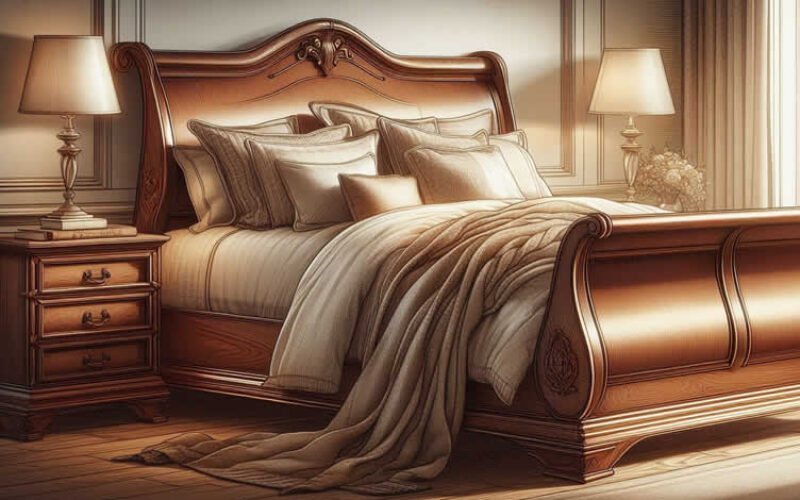
Weekend Bedroom Upgrades
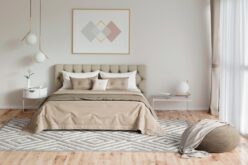
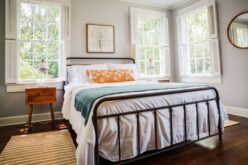
Your bedroom has the potential to be a sanctuary—a space that nurtures rest, relaxation, and renewal.
Unfortunately, it often becomes an afterthought, designed for functionality rather than comfort and personalization.
By focusing on thoughtful design choices, cozy textures, and calming colors, you can turn this overlooked space into the haven you deserve, a room you look forward to retreating to at the end of each day.
view ideas: Transform Your Space (new win)
Frequently Asked Questions
-
What is the first step in a home decor transformation?
The first step is identifying the one or two changes that will carry the most visual impact, such as a new color palette or improved lighting, rather than making many small, scattered updates at once.
-
How do I figure out my personal design style?
Building a mood board from images you are naturally drawn to, whether digital or physical, helps reveal recurring patterns in color, texture, and furniture style that reflect your true design identity.
-
What is the 60-30-10 rule in interior design?
The 60-30-10 rule recommends using one dominant color for 60 percent of a room, a secondary color for 30 percent, and an accent color for the remaining 10 percent to create a balanced, cohesive palette.
-
Which paint colors are trending for 2026?
Warm, yellow-based whites and espresso brown tones are especially popular for 2026, chosen for how they counteract cool natural light and create a cozier atmosphere inside the home.
-
How can I make a small room feel larger?
Arranging furniture to support natural movement through the room, choosing multifunctional pieces, and using neutral or tonal color schemes can all help a small room feel more open and spacious.
-
Does color really affect mood at home?
Yes. Research shows color can influence emotional state, cognitive performance, and even sleep quality, which is why selecting a palette based on how a room is used matters as much as personal preference.
-
What is the rule of three in home styling?
The rule of three suggests grouping decorative objects in sets of three with varying heights, which naturally creates a balanced and visually interesting display on shelves or tabletops.
-
How can I decorate my home on a budget?
Prioritize spending on comfort-driven, long-term pieces like a sofa, and save money using paint, secondhand furniture, and smaller accent updates like lampshades or throws to refresh a space affordably.
-
How long should a home decor transformation take?
It is best to implement changes in stages, starting with paint and furniture placement, then living in the space for a few weeks before finalizing smaller styling details for a more personal result.
home improvement ideas to consider (complete directory – new win):

| Section | Description | Key Highlights |
|---|---|---|
| Quick Answer | A stunning home transformation starts with a clear visual goal, working backward through color, lighting, furniture placement, and styling to achieve it. | Pairs aspirational before-and-after imagery with practical, budget-friendly steps for any room. |
| The Before-And-After Effect | Every transformation uses thoughtful, impactful changes to upgrade a space, turning ordinary, cluttered areas into functional, beautiful ones. | Focus on one or two impactful changes and commit fully, rather than making scattered tweaks. |
| Finding Your Design Identity | Understanding your design preferences and aligning them with practicality leads to a more personal and functional space. | Use a mood board to identify patterns in taste; design according to how rooms are used daily. |
| Color And Light | Color influences mood and cognitive performance, while layered lighting enhances depth and intention in any space. | Apply the 60-30-10 rule for balanced palettes; use multiple light layers for warmth and style. |
| Furniture Flow | Furniture placement determines whether a room feels open or cramped, affecting movement and space functionality. | Support natural pathways; pair large pieces with visually lighter furniture; use multifunctional elements for flexibility. |
| Styling Surfaces | Personal objects and thoughtful arrangements create warmth and showcase individuality in designed spaces. | Apply the rule of three for curated displays; focus on intention with objects like plants, art, or personal collections. |
| Budget Tips | Transform spaces affordably with paint, secondhand furniture, and smart spending on high-use items. | Invest in comfort-driven pieces like sofas; refresh rooms with small accent updates. |
| Step-by-Step Plan | Break the transformation into actionable stages, starting with major decisions and finishing with styling details. | Live with each stage before finalizing; this approach leads to more personal, lasting results. |
| FAQs | Provides clarity on common questions like mood and space improvement, design rules, and impactful decorating methods. | Covers topics such as the 60-30-10 rule, mood-based color choices, budget-friendly decorating, and staged transformations. |

Find Interior Design Services Decorators Interior Designers Furniture Painting & Staining top-rated, pre-screened local contractors FREE: download contractor selection enter zip code – powered by HomeAdvisor ™


Image credit: home decor inspo by envato.com
end of post … please share it!
| more photo remodeling |
Jump Over to Our Photo Analysis Center for Ideas on
"Renovating Home"
|__________________________________________________________|
home remodeling surprise
find out where it might go - new win


Helpful article? Leave us a quick comment below.
And please share this article within your social networks.