
Kitchen storage can become frustrating when cabinets fill up and everyday essentials start competing for space. However, creating more storage doesn’t always require a major renovation or additional cabinets. Sometimes, the space beneath your existing cabinetry offers an opportunity worth exploring.
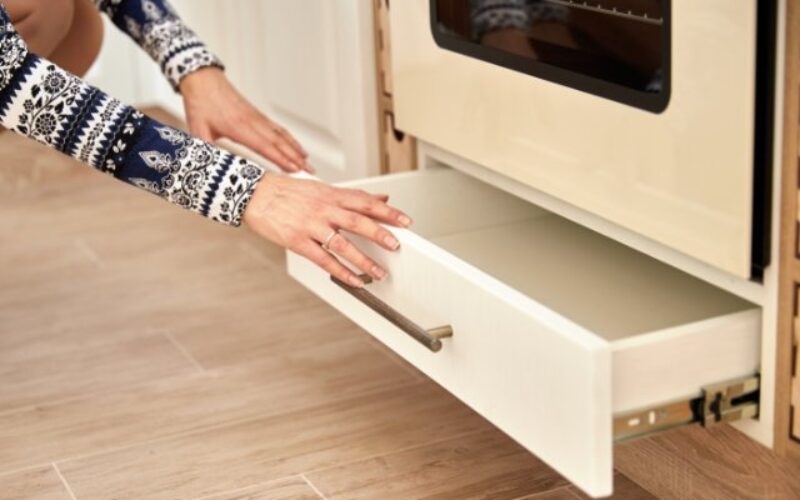
The recessed area at the bottom of kitchen cabinets, known as the toe kick, provides foot space when you stand at the counter. Certain cabinet designs can accommodate shallow drawers in this area without changing the kitchen’s appearance. These hidden compartments offer a clever storage solution, particularly in smaller kitchens. Before installing them, homeowners should understand how cabinet construction and available space affect the project.
1. Understand How Toe-Kick Drawers Work
Before starting any modifications, it helps to understand how these compartments function and what makes them different from conventional drawers. The design takes advantage of space that homeowners might otherwise overlook. However, the existing cabinet structure determines whether this storage solution will work.
The Space Beneath Your Cabinets
Most base cabinets feature a recessed section near the floor that allows you to stand comfortably at the countertop. Depending on the cabinet’s construction, this space may accommodate a shallow storage compartment. Toe-kick drawers typically sit behind matching cabinet fronts, allowing them to blend into the surrounding cabinetry.
Their low-profile design makes them suitable for storing items that don’t need much vertical clearance. However, the available space varies considerably between kitchens. Cabinet dimensions and internal support structures determine whether the modification makes sense.
Not Every Cabinet Can Accommodate a Drawer
Some kitchen cabinets use adjustable legs behind removable plinth panels. Others rely on continuous bases or structural framing to support the cabinets and countertops. Removing structural components without checking their purpose can compromise cabinet stability.
Homeowners should inspect the existing construction before cutting panels or purchasing drawer hardware. A cabinetmaker can help determine whether the available space allows for a safe installation. In some cases, modifying the existing cabinet simply isn’t practical.
2. Check Measurements and Available Clearance
Accurate measurements help prevent installation problems and ensure the finished drawer functions properly. Even a small measuring error can affect how smoothly the drawer opens. Taking time to assess the available space can save considerable frustration later.
Measure the Available Interior Space
The visible toe-kick opening doesn’t necessarily reflect the space available for storage. Cabinet legs and supporting framework can reduce the usable dimensions. Start by measuring the height, width, and depth of the cavity.
Next, account for the space that drawer slides and mounting brackets will occupy. Consider the dimensions of the items you plan to store as well. A compartment might accommodate baking trays but lack sufficient clearance for thicker kitchen accessories. Double-check your measurements before ordering materials to avoid unnecessary adjustments.
Account for Flooring and Nearby Obstacles
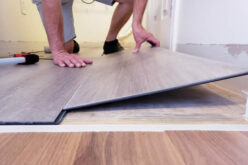
Flooring can create unexpected challenges during toe-kick drawer installation. Uneven tiles, raised transitions, or thick floor coverings may prevent a low drawer from opening properly. Check the drawer’s entire opening path rather than focusing only on its closed position.
Nearby appliance doors and furniture can also restrict access. For example, a drawer beside a dishwasher needs sufficient clearance to operate without interfering with the dishwasher door. If you plan to replace your flooring soon, consider how the new floor height could affect the drawer. Planning around upcoming changes can prevent expensive adjustments later.
3. Choose the Right Hardware and Materials
Hardware and construction materials influence how smoothly the drawer operates and how well it withstands everyday kitchen conditions. Choosing suitable components also helps prevent premature wear. Before purchasing anything, consider how much weight the drawer will hold and how frequently you’ll open it.
Select Suitable Drawer Slides
Full-extension drawer slides make it easier to access items at the back of a shallow compartment. Choose slides that fit the available space and support the expected load. Manufacturers specify weight capacities and installation requirements, so follow their instructions rather than assuming any standard slide will work.
Push-to-open mechanisms offer another option for homeowners who prefer a seamless cabinet appearance. A gentle press activates the drawer without requiring an external handle. However, consider whether children or pets might activate the mechanism accidentally. Recessed handles can provide a practical alternative without creating protruding hardware.
Use Materials That Handle Kitchen Conditions
Kitchen floors experience regular exposure to splashes and cleaning products. Drawer materials should therefore withstand occasional moisture and routine cleaning. Well-sealed plywood can provide a durable option for many installations.
Moisture-resistant cabinet boards may also work when manufacturers recommend them for the intended conditions. Pay particular attention to exposed edges and joints because water can enter unfinished surfaces and cause swelling. Avoid installing drawers where they might obstruct plumbing connections or access to hidden leaks.
4. Plan the Installation Before Making Changes
Careful preparation can make the difference between a convenient storage upgrade and a frustrating cabinetry project. Even a relatively small modification requires accurate planning and suitable materials. Understanding the installation process beforehand can help you avoid unexpected complications.
Decide Whether to DIY or Hire a Professional
Homeowners with carpentry experience may feel comfortable installing a compatible drawer kit. However, retrofitting existing cabinets can involve more work than assembling a standard drawer. The process may require adjustments to support structures or custom mounting components.
Poor alignment can cause sticking or prevent the drawer from closing properly. An experienced cabinetmaker can assess the construction and recommend a suitable installation method. Professional assistance may prove especially useful when existing supports complicate the modification.
Before buying materials, consider the overall scope of the modification. Understanding how to plan a successful home improvement project can help you establish realistic expectations and organize the work before making permanent changes. This preparation becomes especially valuable when modifications affect existing cabinetry. Discovering structural limitations after cutting into cabinets can lead to unnecessary repairs.
Pay Attention to Finishing Details
The drawer front should match the surrounding cabinet style as closely as possible. Consistent colors and panel alignment help maintain the kitchen’s appearance. Check the gaps between the drawer front and adjacent cabinetry to ensure everything looks balanced.
Uneven spacing can make the modification look awkward, even when the drawer functions correctly. You should also consider how you’ll clean the compartment and access its hardware for future maintenance. If the drawer requires a replacement plinth panel, choose materials and finishes that complement the existing cabinetry.
Are These Hidden Drawers Worth Installing?
Under-cabinet storage can offer a practical improvement when kitchen space feels limited. However, its value depends on the available cavity and how much effort the modification requires. Installing toe-kick drawers during a larger kitchen renovation may prove easier than retrofitting an older cabinet.
Existing cabinetry can introduce structural challenges that increase labor costs and limit your options. Compare the potential storage benefits with the installation requirements before committing to the project. Sometimes, reorganizing existing drawers or adding internal cabinet dividers offers a simpler solution.
A successful installation should improve daily kitchen organization without compromising cabinet stability or accessibility. The finished drawer should also operate smoothly and complement the surrounding cabinetry. When the design suits your storage needs, this discreet feature can make overlooked space genuinely useful.
Image Credentials: Savory, 321566882
|__________________________________________________________|
home remodeling surprise
find out where it might go - new win


Helpful article? Leave us a quick comment below.
And please share this article within your social networks.