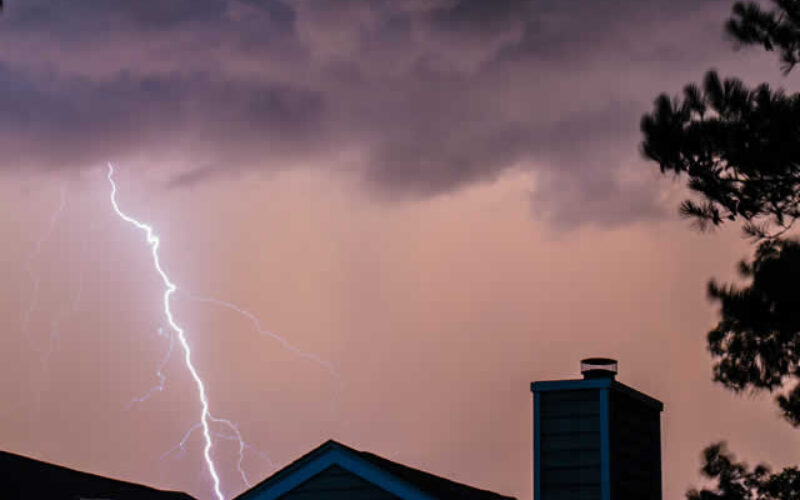
Quick Answer:
When a power outage strikes, your first priority is protecting food safety by keeping refrigerator and freezer doors closed—a refrigerator stays safe for about 4 hours, a full freezer for up to 48 hours. Season-specific strategies for heat and cold, combined with an emergency kit and household plan, reduce risk significantly. Discard any food held above 40°F for two or more hours.
Most people underestimate how fast conditions can deteriorate—and how much a few prepared decisions can change the outcome.
Managing a power outage effectively comes down to knowing your timeline, understanding how season changes what’s at stake, and acting in the right order.
This guide walks through each stage, from preparation to recovery, so that when the next outage hits, your household is ready to respond with confidence rather than panic.
- post content
- Preparing Before an Outage Happens
- Summer Outage Management Strategies
- Winter Outage Preparation and Response
- Food Safety During Extended Outages
- Essential Supplies and Emergency Kit Assembly
- Creating a Household Outage Response Plan
- conclusion: Your Next Steps
- FAQs
- view table:content summary
- view notes:collective tips
- view analysis:Home Power Outage Preparedness
- view ideas:latest remodeling analysis
Preparing Before an Outage Happens
The most effective outage response begins weeks before the power ever goes out. Knowing your local risk profile—whether your region faces hurricane seasons, ice storms, or summer heat events—lets you build a preparation plan that fits your actual conditions rather than a generic worst-case scenario.
Start by identifying which household systems depend entirely on electricity. Refrigerators, freezers, medical devices, electric heating and cooling, sump pumps, and communication devices all become vulnerable the moment the grid fails. Once you’ve mapped those dependencies, you can address each one with a targeted backup plan.
Stock your emergency pantry gradually. According to NC State University Cooperative Extension (2025), shelf-stable items like canned beans, peanut butter, crackers, and dried milk form a reliable food foundation during outages.
Include a manual can opener, a battery-powered food thermometer, and freezer packs in your emergency kit—these tools become essential when temperatures inside your appliances start climbing.
Keep a reliable flashlight in each room, maintain a supply of batteries, and store enough clean water to cover drinking and basic hygiene needs for at least several days. Building these reserves slowly, a few items at a time, means the kit is assembled and ready long before any emergency arrives.

Summer Outage Management Strategies
Summer outages combine two simultaneous threats: heat inside the home rises quickly without air conditioning, while food inside the refrigerator and freezer begins warming toward unsafe territory. Heat accelerates both processes, leaving less margin for delay.
According to Ready.gov (last updated June 4, 2026), a refrigerator with its doors kept closed will maintain a safe food temperature for approximately four hours. A full freezer holds its temperature for up to 48 hours; a half-full freezer provides roughly 24 hours of protection. The single most important action you can take immediately after power loss is to stop opening the appliance doors.
If the outage is expected to extend beyond four hours, transfer the most perishable refrigerator items—meat, dairy, eggs, and leftovers—into a cooler with ice or ice packs. Filling any empty freezer space with bags of ice or jugs of frozen water before storm season also extends protection time significantly.
For personal comfort during summer heat, move to the coolest room in your home, typically a lower floor or an interior room with less sun exposure. Avoid strenuous activity during peak heat hours, drink water consistently, and check on neighbors who may be elderly or have medical conditions that make heat exposure particularly dangerous.
something of interest below

Home Power Outage Preparedness: Key Supplies You’ll Need
Power outages can strike unexpectedly, leaving households without electricity for hours or even days. Being prepared for such situations can make all the difference in ensuring safety, comfort, and minimizing disruptions.
Winter Outage Preparation and Response
Cold weather outages present a different set of challenges. While freezing temperatures outside can actually help preserve frozen food if managed carefully, the threat to personal safety from cold exposure inside an unheated home escalates quickly—especially for young children, elderly residents, and anyone with a health condition.
Layer clothing immediately and gather wool blankets or sleeping bags in a central room to conserve body heat. Concentrate activity in one area of the home rather than spreading heat loss across multiple rooms. Close doors to rooms you’re not using.
One important distinction during winter outages: do not use gas stoves, ovens, charcoal grills, or propane equipment indoors as heat sources. According to Ready.gov, these devices produce carbon monoxide—a colorless, odorless gas that can become deadly within minutes in enclosed spaces.
If you run a generator, it must operate outdoors and at least 20 feet away from windows, doors, and attached garages, with carbon monoxide detectors installed and functioning on every level of your home.
Winter conditions can sometimes work in your favor for frozen food. If outdoor temperatures remain consistently below 32°F, food from a full freezer may stay safely frozen longer—but only when outdoor storage is secure, protected from animals, and temperatures are reliably stable.
When in doubt, monitoring with a food thermometer is always the safest approach.
Food Safety During Extended Outages
Food safety is the area where most households make costly mistakes—either discarding food unnecessarily or, more dangerously, consuming food that has entered an unsafe temperature range without realizing it.
The threshold to understand is 40°F. According to NC State University Cooperative Extension (2025) and Ready.gov (2026), any perishable food that has been held at a temperature above 40°F for two hours or more should be discarded.
This applies to meat, poultry, fish, eggs, soft cheeses, milk, cooked leftovers, cut fruit, and opened condiments. Bacteria doubles approximately every 20 minutes at unsafe temperatures—meaning a brief window of exposure can render food genuinely hazardous even when it appears and smells normal.
Never taste food to determine whether it’s safe. Visual inspection, smell, and texture can provide some clues, but none of these methods are reliable enough to override the time-and-temperature rule. The principle is straightforward: when in doubt, throw it out.
A battery-powered food thermometer is one of the most practical tools in any emergency kit precisely because it removes guesswork from this decision. Placing thermometers inside both the refrigerator and freezer before an outage means you’ll have an accurate temperature reading when you need it most.
Essential Supplies and Emergency Kit Assembly
An emergency kit built before an outage removes the frantic decision-making that leads to poor choices under pressure. The core supplies that matter most during a power outage fall into a few clear categories.
For food and water, store at least one gallon of water per person per day for a minimum of three days, alongside a supply of shelf-stable, ready-to-eat foods. For lighting, rechargeable LED lanterns and headlamps outperform candles in safety and duration. For communication, a battery-powered or hand-crank NOAA weather radio keeps you informed when cellular networks become unreliable.
Medical preparedness is often overlooked until it becomes urgent. Talk with your healthcare provider about how long any refrigerated medications remain safe at higher temperatures, and maintain a backup supply where possible.
Anyone who relies on power-dependent medical equipment needs a specific backup plan established well in advance.
Keep a supply of cash on hand. Electronic payment systems and ATMs frequently go offline during widespread outages, and access to cash can make basic transactions possible when digital infrastructure is unavailable.
Managing Rising Electricity Costs
Energy costs are rising, and households across the country are feeling it. If your electricity bill seems higher than usual, you’re not alone.
The U.S. Energy Information Administration’s May 2025 Short-Term Energy Outlook forecasts a 13% increase in average U.S. electricity prices between 2022 and 2025, with further rises expected into 2026 and 2027.
These numbers make one thing clear: energy-saving strategies are no longer optional if you want to maintain a comfortable, functional home.
view ideas: saving home energy (new win)

Creating a Household Outage Response Plan
A household response plan turns individual knowledge into coordinated action. When every member of the household understands the plan, the first minutes of an outage are spent executing rather than debating.
Assign clear roles: who checks on the refrigerator and freezer temperatures, who locates the emergency kit, who contacts neighbors who may need assistance. Decide in advance at what point you’ll seek a community warming or cooling center if temperatures inside the home become unsafe.
Review the plan with your household periodically—at least once before each season. Practice makes the response automatic, which matters most when stress and uncertainty are already elevated.
Your Next Steps
Outages are unpredictable, but your response doesn’t have to be. The clearest path forward is to build your kit now, establish your household plan before the next weather event, and install a battery-powered thermometer in both your refrigerator and freezer so you always know exactly where food safety stands.
Small preparations made today translate directly into better outcomes when the lights go out.
Frequently Asked Questions
-
How long will food in my refrigerator stay safe during a power outage?
A refrigerator with its doors kept closed will keep food at a safe temperature for approximately four hours, according to Ready.gov. After that point, perishable foods—including meat, dairy, eggs, and leftovers—should be moved to a cooler with ice or discarded if the outage is expected to continue.
-
How long does a full freezer stay safe when the power is out?
A fully stocked freezer maintains a safe temperature for up to 48 hours when the doors remain closed, according to Ready.gov. A half-full freezer provides approximately 24 hours of protection. Keeping the freezer well-stocked—or filling empty space with water jugs frozen in advance—extends that window.
-
What temperature signals that refrigerated food is no longer safe?
According to NC State University Cooperative Extension (2025) and Ready.gov (2026), any perishable food that has been exposed to temperatures above 40°F for two hours or more should be discarded. A battery-powered food thermometer placed inside the appliance gives you an accurate reading without guesswork.
-
Is it safe to use a gas stove or oven for heat during a winter outage?
No. Ready.gov explicitly advises against using gas stoves, ovens, charcoal grills, or propane equipment indoors as heat sources. These devices produce carbon monoxide, which is colorless, odorless, and can reach lethal concentrations indoors within minutes.
Use only heating methods approved for indoor use, and ensure carbon monoxide detectors are installed and battery-backed on every level of your home.
-
Where should a generator be operated during a power outage?
Generators must be used outdoors only, positioned at least 20 feet away from windows, doors, and attached garages. Per Ready.gov, even brief indoor generator use can cause carbon monoxide poisoning.
Always follow the manufacturer’s safety guidelines and keep a working carbon monoxide detector installed in your home before operating any generator.
-
What supplies should every household have before a power outage?
Core supplies include at least one gallon of water per person per day for three or more days, shelf-stable food, a battery-powered food thermometer, flashlights and LED lanterns with extra batteries, a hand-crank or battery-powered weather radio, a basic first aid kit, and a supply of any essential medications.
Cash on hand is also advisable, since payment systems frequently go offline during widespread outages.
home improvement ideas to consider (complete directory – new win):

| Category | Key Points | Details |
|---|---|---|
| Power Outage Overview | Immediate Priorities | Protecting food safety by keeping refrigerator and freezer doors closed. A refrigerator stays safe for 4 hours, and a full freezer for up to 48 hours. Discard perishable food above 40°F for two or more hours. |
| Preparation Before Outages | Key Preparations | Map household systems dependent on electricity. Gradually stock an emergency pantry with shelf-stable items like canned beans, peanut butter, and crackers. Include a manual can opener, battery-powered thermometer, and freezer packs. Keep flashlights and batteries ready, alongside sufficient water for drinking and hygiene. |
| Summer Outage Strategies | Heat & Food Safety | Minimize refrigerator and freezer door openings. Use ice or frozen jugs to extend cooling time. To stay comfortable, move to the coolest room, avoid peak heat, drink water, and check on vulnerable neighbors. |
| Winter Outage Strategies | Cold Exposure & Food Safety | Layer clothing, use wool blankets, and gather in a central room. Avoid dangerous indoor heating sources like gas stoves. Monitor outdoor freezer storage while ensuring it’s safe from animals. |
| Food Safety | Temperature Threshold | Perishable foods above 40°F for over two hours should be discarded. Never taste-test to assess food safety; use a battery-powered food thermometer for accurate readings. |
| Essential Supplies | Core Tools & Kits | Store water and shelf-stable foods for three days. Use LED lanterns, NOAA weather radios, and cash for transactions. Plan for refrigerated medications and power-dependent medical devices. |
| Household Response Plan | Coordinated Action | Assign roles for managing food safety, emergency kits, and neighbor check-ins. Establish criteria for visiting community warming or cooling centers. Practice the plan seasonally for automatic responses. |

Find Electrical Services Electricians Lighting Design Fans Generators Electronics Home Security top-rated, pre-screened local contractors FREE: download contractor selection enter zip code – powered by HomeAdvisor ™


Image credit: power outage management by envato.com
end of post … please share it!
| more photo remodeling |
Jump Over to Our Photo Analysis Center for Ideas on
"Renovating Home"
|__________________________________________________________|
home remodeling surprise
find out where it might go - new win


Helpful article? Leave us a quick comment below.
And please share this article within your social networks.
.breaking-news {display: none !important;}