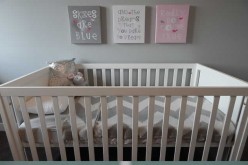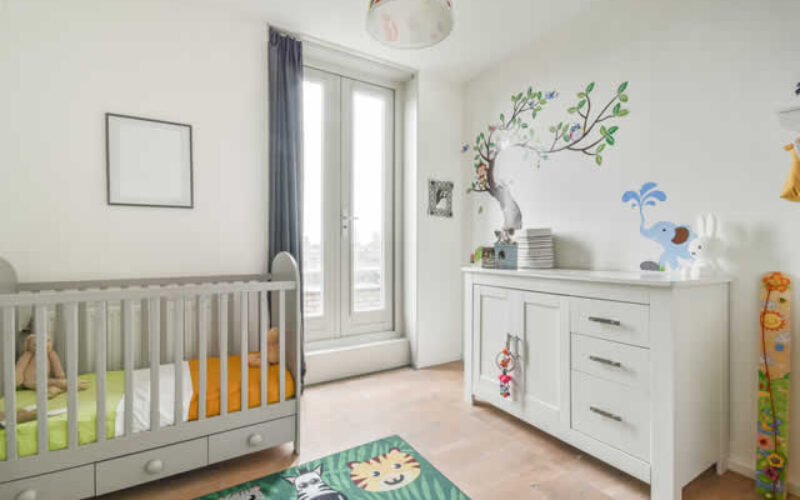
A space filled with pastel animals and a tiny crib can feel outdated in only a couple of years. Planning ahead helps you create a nursery that changes with your child. This saves you the trouble and cost of completely redoing the room every few years.
The main idea is to see the room not just as a temporary baby space, but as a flexible area that will shift from nursery to toddler room and beyond, with nursery room design tips in mind.
Future-Proofing Your Layout
Before you buy any furniture or pick a paint color, take some time to think about how the room could be used. A good layout is the starting point for a design that lasts. Think about the room in "zones": a place to sleep, a place to play, and a place for care.
First, the sleep zone will have the crib. But you should also think about where a larger toddler or twin bed might go later. For safety, avoid putting the crib directly under a window or near long curtain cords.
The care zone, which centers around the changing table, won’t be needed forever. Plan for this spot to become something else, like a reading nook with a small bookshelf and a comfy chair, or a place for a child-sized desk.
Make sure there are electrical outlets in handy spots for future lamps, chargers, or other electronics. Following some practical nursery setup guidelines from the start ensures the room stays practical through every stage.
Thinking about how the room’s flow will change helps you make smarter choices about where to put permanent fixtures and furniture.

Smart Furniture Investments
The best way to create a room that grows with your child is to pick furniture that can adapt. While tiny, baby-specific items are cute, they don’t last long. Instead, look for pieces that can do more than one job or change for future use.
Convertible cribs are a great example. These can turn from a crib into a toddler bed, a daybed, and sometimes even a full-size headboard. While they might cost a bit more upfront than a standard crib, they save you from buying a new bed every few years.
Likewise, skip the special changing table. A sturdy, standard-height dresser is a much better investment. Just add a secure changing pad to the top while your baby is in diapers. Once your child is potty trained, you can take off the pad, and you’ll have a good quality dresser that will last for years.
A comfortable glider or armchair is another smart buy. It’s perfect for late-night feedings, and later it can become a cozy spot for story time or be moved to another room in the house.
something of interest below
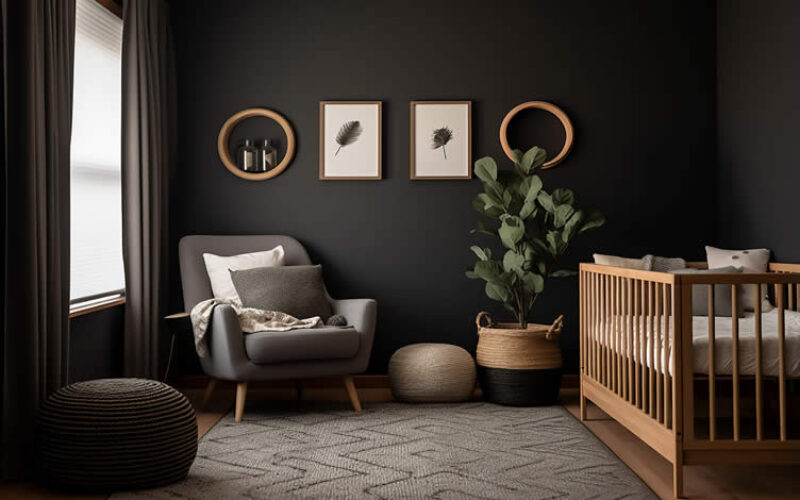
Harmonious Multi-Use Nursery: Guide to Functional Family Spaces
A multi-use family nursery works best when each function has a clear zone, the furniture does double duty, and the whole room shares one calm color palette.
Ensuring Crib Safety as They Grow
A crib is the main piece in any nursery, but its safety needs change as your baby learns new things. When you first bring your newborn home, the mattress should be at its highest setting so it’s easy to lift them in and out.
The crib itself should be empty, with only a firm mattress and a fitted sheet. Don’t use pillows, loose blankets, or bumpers, as these can be dangerous.
As your baby gets stronger and moves more, you’ll need to adjust the crib to keep them safe. The moment your baby can push up onto their hands and knees or sit up by themselves, it’s time to move the mattress down.
A key part of this changing safety plan is knowing about lowering the crib as baby grows to prevent dangerous falls. Most cribs have at least two or three mattress levels. You should lower it again once your child can pull themselves up to stand.
At this point, the top of the crib rail should be at chest level to stop them from climbing out. Eventually, you’ll notice your little one trying to climb the sides. This is a clear sign that it’s time to move them to a toddler bed.
Storage Solutions for Every Stage
Babies have unique storage needs: piles of diapers, tiny clothes, and dozens of swaddles. But soon enough, you’ll be storing bulky toys, picture books, and art supplies. To avoid a cluttered mess, you need storage that can change.
Modular storage systems, like cube organizers, are an excellent choice. You can use fabric bins to hold small items like socks and toiletries when your baby is little. As your child grows, these same bins can hold building blocks, dolls, or craft supplies.
Open shelves can display books and special toys. Don’t forget to use wall space. Wall-mounted shelves are perfect for things you want to keep out of reach of a curious baby, like monitors and lotions. Later, they can be lowered to a height your child can reach for their favorite books and treasures.
An adjustable closet system is another great investment. Look for systems that let you move rods and shelves. You can start with two rods for hanging small baby clothes and then take out the lower one as shirts and dresses get longer. This flexibility means the closet stays organized and useful from infancy through the teen years.
Designing a Child’s Bedroom
Designing a bedroom that grows with your child is a wonderful, practical way to create a space they’ll love for years.
Start with versatile pieces, like a convertible bed or a dresser that doubles as a changing table.
Choose neutral walls and timeless decor that you can easily update with bedding, rugs, or wall art as their interests change.
Finally, add plenty of storage and keep the layout flexible to ensure the room stays organized, cozy, and functional through every stage of childhood.
view ideas: That Grows With Them (new win)

Decor That Adapts Easily
It can be tempting to go all-in on a cute baby theme, but this is the fastest way to make a room look dated. To give your nursery longevity, choose a neutral and calming color for the walls, like a soft gray, warm beige, or muted green.
This creates a versatile background that works for any age. You can then add personality and color through accessories that are easy and cheap to change. This approach helps set up a flexible nursery from the very beginning.
Use items like bedding, curtains, area rugs, and artwork to create a theme. For a baby, you might choose a mobile with whimsical shapes and a rug with a playful pattern. As your child develops their own interests, you can easily swap these things out.
Removable wall decals are another great option for adding some fun without the commitment of wallpaper. Thoughtful choices here can have a positive impact, as there’s a strong connection between nursery design and development.
A room that shows what a child is currently interested in helps them feel comfortable and understood. For example, a subtle celestial theme can start with star-patterned swaddles and turn into constellation artwork and a telescope in the corner for a school-aged child.
Focusing on adaptability helps you create a beautiful and practical space that truly grows with your child. This thoughtful approach makes the nursery a smart, long-term part of your home’s design.
home improvement ideas to consider (complete directory – new win):


Find Interior Design Services Decorators Interior Designers Furniture Painting & Staining top-rated, pre-screened local contractors FREE: download contractor selection enter zip code – powered by HomeAdvisor ™


Image credit: designing a nursery room by envato.com
end of post … please share it!
| more photo remodeling |
Jump Over to Our Photo Analysis Center for Ideas on
"Renovating Home"
|__________________________________________________________|
home remodeling surprise
find out where it might go - new win


Helpful article? Leave us a quick comment below.
And please share this article within your social networks.