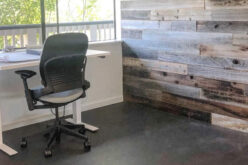
The shift toward desk-based work has created a silent health crisis. Research from the American Heart Association indicates that adults who sit for prolonged periods face increased risks of cardiovascular disease, metabolic syndrome, and musculoskeletal disorders.
For remote workers and hybrid professionals who spend eight or more hours at their desks, understanding how to protect physical and mental wellbeing has become essential rather than optional.
This comprehensive guide explores evidence-based strategies for maintaining holistic health in sedentary work environments. From ergonomic optimization to mental health practices, you’ll discover actionable approaches that support your body and mind throughout the workday.
The goal isn’t perfection—it’s sustainable habits that fit seamlessly into your professional routine while safeguarding your long-term wellness.
- post content
- Understanding The Physiological Impact Of Prolonged Desk Work
- Optimizing The Physical Environment Through Ergonomic Science
- Mitigating Digital Eye Strain And Visual Fatigue From Screen Exposure
- The Role Of Strategic Movement Breaks And Active Sitting
- Nutritional Strategies And Hydration For Sustained Energy At The Desk
- Integrating Mental Health Practices Into The Workday Routine
- Implementing Postural Alignment Techniques For Long-Term Wellness
- Creating Your Sustainable Desk Work Wellness Plan
- view table:content summary
- view notes:collective tips
- view ideas:latest remodeling analysis
- related post (new win):Perfect Game Table
Understanding The Physiological Impact Of Prolonged Desk Work
Sitting for extended periods triggers a cascade of physiological changes that affect multiple body systems. According to research published in the Annals of Internal Medicine, prolonged sitting reduces metabolic rate, impairs glucose regulation, and decreases circulation efficiency. These changes occur regardless of fitness level, meaning even active individuals face health risks from excessive sitting.

The musculoskeletal system bears particularly heavy burdens. Sustained sitting places approximately 90 pounds of pressure on the lumbar spine, according to studies from Cornell University’s Department of Ergonomics.
This constant compression contributes to disc degeneration, nerve impingement, and chronic pain patterns that can persist long after the workday ends.
Cardiovascular health also suffers during prolonged desk work. The American College of Cardiology reports that sitting for more than ten hours daily increases heart disease risk by 64 percent compared to sitting less than four hours.
Blood pools in the lower extremities, forcing the heart to work harder while simultaneously reducing circulation to vital organs and tissues.
Understanding these physiological impacts provides motivation for implementing protective strategies. Your body wasn’t designed for static positions—it thrives on movement, postural variety, and regular breaks from screen exposure.

Optimizing The Physical Environment Through Ergonomic Science
Creating an ergonomically sound workspace forms the foundation of desk-work wellness. The Occupational Safety and Health Administration emphasizes that proper workstation setup prevents repetitive strain injuries, reduces fatigue, and enhances productivity through improved comfort.
Monitor placement significantly influences neck and eye strain. Position your screen at arm’s length, with the top of the display at or slightly below eye level. This arrangement maintains neutral cervical spine alignment and reduces the forward head posture that contributes to tension headaches and neck pain.
Chair selection and adjustment deserve careful attention. Your chair should support the natural S-curve of your spine, with adjustable seat height allowing feet to rest flat on the floor and knees bent at approximately 90 degrees. Armrests positioned to support forearms without elevating shoulders help prevent upper trapezius tension and shoulder impingement.
Keyboard and mouse positioning affects wrist health and shoulder mechanics. Keep these input devices close to your body, positioned so your elbows remain bent at 90 degrees with wrists in neutral alignment. Consider split or ergonomic keyboards if you experience wrist discomfort, as these designs reduce ulnar deviation and decrease carpal tunnel pressure.
Lighting conditions influence both visual comfort and circadian rhythm regulation. Natural light exposure during work hours supports alertness and mood regulation, according to research from Northwestern Medicine. Position your desk near windows when possible, supplementing with task lighting that reduces screen glare without creating harsh shadows.
Mitigating Digital Eye Strain And Visual Fatigue From Screen Exposure
Digital eye strain affects approximately 65 percent of adults who use computers regularly, reports the American Optometric Association. Symptoms include dry eyes, blurred vision, headaches, and difficulty focusing—all of which compound throughout the workday without proper intervention.
The 20-20-20 rule provides a simple yet effective prevention strategy. Every 20 minutes, look at something 20 feet away for at least 20 seconds. This practice relaxes the ciliary muscles responsible for focusing, reducing accommodation fatigue that causes blurred vision and discomfort.
Screen brightness and contrast settings require optimization for your specific environment. Your display should match the ambient light level in your workspace—not significantly brighter or dimmer. Enable blue light filters during evening hours, as blue wavelength exposure suppresses melatonin production and disrupts sleep quality according to Harvard Medical School research.
Blink frequency decreases by approximately 60 percent during screen use, leading to tear film instability and dry eye symptoms. The Mayo Clinic recommends conscious blinking exercises and artificial tears to maintain ocular surface health. Position your screen slightly below eye level, as this encourages partial eyelid closure that reduces tear evaporation.
Regular comprehensive eye examinations identify vision problems that exacerbate digital eye strain. Prescription computer glasses optimized for intermediate viewing distances can significantly reduce visual fatigue for those who wear corrective lenses.
start with a smart office setup

Setting Up The Perfect Home Office
These days, more and more people are working from home – which certainly has its benefits. But if you don’t have the right “home office” setup, the experience may not be as pleasant and productive as you thought.
The Role Of Strategic Movement Breaks And Active Sitting
Movement integration transforms static desk work into opportunities for circulation enhancement and postural relief. The British Journal of Sports Medicine suggests that breaking up sitting time with two-minute movement breaks every 30 minutes significantly reduces metabolic risk factors associated with sedentary behavior.
Standing desks offer valuable variety, though standing all day creates its own health challenges. The optimal approach alternates between sitting and standing throughout the day. Start with 15-minute standing intervals, gradually increasing duration as your body adapts. Anti-fatigue mats reduce lower extremity stress during standing periods.
Simple desk-based exercises maintain joint mobility and muscle activation. Shoulder rolls, neck rotations, and seated spinal twists counteract positional stress without disrupting workflow. Ankle pumps and calf raises promote lower extremity circulation, reducing the leg swelling and discomfort that accompany prolonged sitting.
Walking breaks provide comprehensive benefits beyond simple movement. Brief outdoor walks expose you to natural light that regulates circadian rhythms, while changing visual scenery reduces mental fatigue. The Stanford University Graduate School of Education found that walking boosts creative thinking by an average of 60 percent compared to sitting.
Active sitting devices like stability balls or wobble cushions engage core muscles during desk work. However, these tools should supplement rather than replace proper ergonomic seating, as they can create fatigue during extended use.
Nutritional Strategies And Hydration For Sustained Energy At The Desk
Nutrition choices directly influence concentration, energy levels, and long-term health outcomes for desk workers. The Academy of Nutrition and Dietetics recommends balanced meals that combine complex carbohydrates, lean proteins, and healthy fats to maintain stable blood sugar throughout the workday.
Meal timing affects cognitive performance and metabolic health. Eating regular meals and snacks every three to four hours prevents the energy crashes that trigger excessive caffeine consumption and poor food choices. Plan nutritious options in advance to avoid relying on convenient but nutrient-poor alternatives.
Hydration significantly impacts cognitive function and physical comfort. The National Academies of Sciences recommends approximately 15.5 cups of fluid daily for men and 11.5 cups for women, with individual needs varying based on activity level and environment. Keep water readily accessible at your desk, setting hourly reminders if needed to maintain adequate intake.
Smart snacking supports sustained energy without causing drowsiness. Choose options that combine protein and fiber, such as nuts with fruit, hummus with vegetables, or Greek yogurt with berries. These combinations provide lasting satiety while avoiding the blood sugar spikes associated with refined carbohydrates.
Limit caffeine intake to morning and early afternoon hours. While moderate caffeine consumption offers cognitive benefits, excessive intake or late-day consumption disrupts sleep quality according to the Journal of Clinical Sleep Medicine. Consider herbal teas or sparkling water as afternoon alternatives.
Integrating Mental Health Practices Into The Workday Routine
Mental wellness deserves equal attention to physical health in sedentary work environments. The World Health Organization recognizes workplace stress as a significant health concern, with remote workers facing unique challenges including isolation and work-life boundary erosion.
Mindfulness practices reduce stress and improve focus during demanding workdays. Brief meditation sessions—even five minutes—lower cortisol levels and enhance emotional regulation according to research from Johns Hopkins University. Numerous apps provide guided meditations specifically designed for workplace integration.
Structured breaks prevent burnout and maintain productivity. The Pomodoro Technique, which alternates 25-minute focused work periods with five-minute breaks, helps sustain concentration while building in regular mental recovery time. Longer breaks every few hours allow for deeper restoration.
Social connection combats the isolation that remote work can create. Schedule regular video calls with colleagues for non-work conversations, join virtual coffee breaks, or participate in online professional communities. These interactions provide emotional support and maintain the collaborative spirit that purely digital communication can lack.
Boundary setting protects personal time and prevents work from consuming all waking hours. Establish clear start and end times for your workday, create physical separation between work and living spaces when possible, and communicate availability expectations with colleagues and supervisors.
more info below

AI Home Health Devices: Your Guide to Smart Wellness Technology
These sophisticated tools combine advanced sensors, machine learning algorithms, and intuitive interfaces to help you monitor vital health metrics, track wellness patterns, and make informed decisions about your wellbeing—all from the comfort of your home.
Implementing Postural Alignment Techniques For Long-Term Wellness
Postural awareness transforms how your body experiences desk work. The American Physical Therapy Association emphasizes that proper alignment distributes mechanical stress evenly across structures designed to bear load, preventing the pain patterns that develop from compensatory postures.
Neutral spine positioning serves as the foundation for healthy sitting. Imagine a string pulling the crown of your head toward the ceiling, lengthening your spine while maintaining its natural curves. Your ears should align over your shoulders, which stack over your hips in proper sitting posture.
Regular posture checks throughout the day prevent drift into harmful positions. Set hourly reminders to assess your alignment, noting whether your shoulders have crept toward your ears, your head has migrated forward, or your lower back has lost its natural curve. Gentle corrections reinforce proper patterns.
Strengthening exercises support postural muscles that fatigue during prolonged sitting. Focus on core stability exercises, scapular retraction movements, and hip flexor stretches to counteract the muscle imbalances that desk work creates. Physical therapists can provide personalized exercise programs addressing individual needs.
Breathing mechanics influence both posture and stress levels. Diaphragmatic breathing—expanding your belly rather than raising your shoulders—promotes relaxation while supporting core stability. Practice conscious breathing exercises during work breaks to enhance both physical and mental wellbeing.
Creating Your Sustainable Desk Work Wellness Plan
Protecting your health in sedentary work environments requires consistent application of multiple strategies rather than seeking a single solution. The evidence is clear: ergonomic optimization, regular movement, proper nutrition, mental health practices, and postural awareness work synergistically to support holistic wellness.
Start by implementing one or two changes rather than attempting a complete overhaul. Perhaps begin with ergonomic adjustments to your workspace and the 20-20-20 rule for eye health.
Once these habits feel natural, add movement breaks and hydration reminders. Gradual integration creates lasting behavior change more effectively than dramatic but unsustainable transformations.
Your health investments today determine your comfort and capability tomorrow. The cumulative effects of desk work—whether positive or negative—compound over months and years. By prioritizing wellness practices now, you’re not just managing today’s discomfort but preventing tomorrow’s chronic conditions.
Remember that perfect adherence isn’t the goal. Some days you’ll spend more time sitting than planned or skip your afternoon walk. What matters is returning to supportive habits consistently, recognizing that even imperfect implementation provides significant benefits compared to ignoring these principles entirely.
other related analysis of interest: (new win)
The Complete Guide to Choosing the Perfect Bathroom Faucet
Master Your Makeover: The Ultimate Guide to DIY Interior Home Painting Tools
| Section | Key Details | Significance |
|---|---|---|
| Understanding the Physiological Impact of Prolonged Desk Work | Prolonged sitting triggers metabolic reductions, circulation issues, and musculoskeletal strain. Excessive sitting increases risks of cardiovascular disease, disc degeneration, and chronic pain. | Highlights the necessity of addressing health risks posed by static postures and lack of movement in desk-based work environments. |
| Optimizing the Physical Environment Through Ergonomic Science | Adjustments like proper monitor and chair positioning, neutral wrist alignment, and effective lighting reduce strain and enhance comfort during work. | Supports productivity and prevents repetitive strain injuries and ergonomic-related discomfort. |
| Mitigating Digital Eye Strain and Visual Fatigue | Practices like the 20-20-20 rule, optimizing screen brightness, and maintaining hydration protect against headaches, blurred vision, and dry eyes. | Improves visual comfort, reduces screen fatigue, and supports better overall eye health. |
| The Role of Strategic Movement Breaks and Active Sitting | Movement breaks, standing desks, desk exercises, and walking periods enhance circulation and reduce sedentary risks. | Promotes circulation and musculoskeletal relief, transforming static work into healthier routines. |
| Nutritional Strategies and Hydration | Balanced meals, regular hydration, and smart snacking provide sustained energy and prevent cognitive fatigue. | Enhances concentration and prevents nutrient-related energy crashes during the workday. |
| Integrating Mental Health Practices | Mindfulness, regular breaks, social connection, and boundary setting reduce workplace stress and maintain emotional health. | Tackles stress and prevents burnout, fostering a balanced work-life harmony. |
| Implementing Postural Alignment Techniques | Neutral spine positioning, hourly posture checks, strengthening exercises, and diaphragmatic breathing support alignment and reduce stress. | Prevents chronic pain and promotes long-term musculoskeletal health. |
| Creating a Sustainable Desk Work Wellness Plan | Focuses on gradual integration of habits like ergonomic support, movement, hydration, and mental health strategies. | Fosters lasting health benefits and reduces long-term risks associated with sedentary work practices. |

Find Interior Design Services Decorators Interior Designers Furniture Painting & Staining top-rated, pre-screened local contractors FREE: download contractor selection enter zip code – powered by HomeAdvisor ™


Image credit: remote professionals by envato.com
end of post … please share it!
| more photo remodeling |
Jump Over to Our Photo Analysis Center for Ideas on
"Renovating Home"
|__________________________________________________________|
home remodeling surprise
find out where it might go - new win


Helpful article? Leave us a quick comment below.
And please share this article within your social networks.