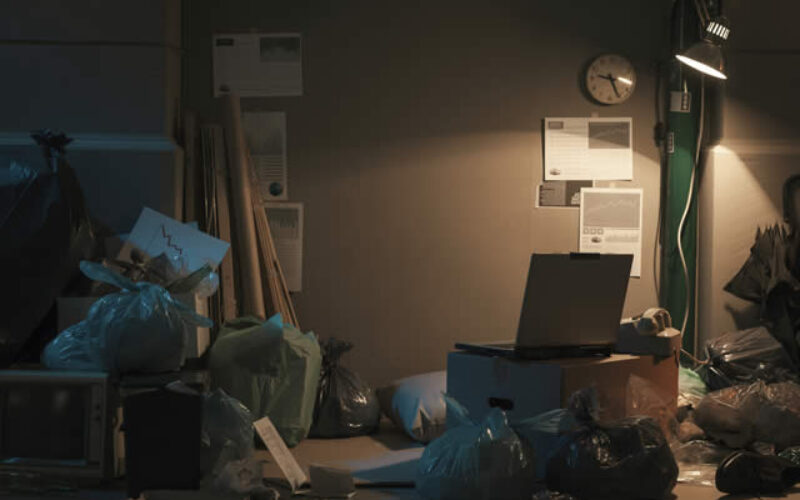
Your basement represents untapped potential—a chance to expand your living space without the hefty price tag of an addition or major renovation.
The good news is that transforming your basement doesn’t require a complete overhaul or a contractor’s expertise. With some creativity, strategic planning, and budget-friendly solutions, you can turn this neglected area into a functional, welcoming space that serves your family’s needs.
Whether you’re dreaming of a cozy family room, productive home office, or organized storage area, simple changes can breathe new life into your basement.
This guide will walk you through practical, cost-effective strategies to reclaim your basement space. You’ll discover how to clear the clutter, enhance the environment, and create purposeful zones that maximize every square foot—all while staying within a reasonable budget and avoiding major construction projects.
- post content
- Assessing Your Basement Space
- Budget-Friendly Transformation Ideas
- Storage Solutions and Organization
- Adding Comfort and Personal Touches
- Safety Considerations
- Reclaim Your Basement and Expand Your Home
- view table:content summary
- view notes:collective tips
- view ideas:latest remodeling analysis
Assessing Your Basement Space
Before diving into transformation ideas, you need to understand what you’re working with. This initial assessment phase sets the foundation for all your future improvements and helps you identify both opportunities and potential challenges.
-
Clearing and Cleaning
The first step toward basement transformation involves honest evaluation of everything currently stored in the space. Many homeowners discover that a significant portion of their basement contents consists of items they no longer need, use, or even remember owning.
Start by sorting everything into three categories: keep, donate, and discard. Be ruthless during this process—if you haven’t used something in over a year and can’t identify a specific future need, it’s probably time to let it go.
Once you’ve decluttered, focus on deep cleaning the space. Basements accumulate dust, cobwebs, and sometimes musty odors over time.
Use a shop vacuum to remove debris from corners, ceiling joists, and floor surfaces.
Wipe down any existing surfaces with appropriate cleaners, and consider using a dehumidifier if the space feels damp.
This cleaning process not only improves the immediate appearance but also helps you identify any maintenance issues that need attention.
-
Evaluating Existing Conditions
After clearing and cleaning, examine the basement’s structural and environmental conditions. Check for signs of moisture intrusion, such as water stains, efflorescence on concrete walls, or musty smells.
Moisture issues should be addressed before implementing any improvements, as they can damage furnishings and create unhealthy air quality. Simple solutions like improving drainage around your home’s foundation or adding ventilation can often resolve minor moisture problems.
Assess the current lighting situation as well. Most basements rely on a few overhead bulbs that create harsh shadows and make the space feel unwelcoming.
Take note of natural light sources, electrical outlets, and areas that would benefit from additional illumination. Similarly, evaluate the ventilation—proper air circulation prevents stuffiness and helps maintain comfortable temperatures year-round.


Budget-Friendly Transformation Ideas
With a clean, assessed space, you can begin implementing changes that dramatically improve your basement’s functionality and appeal. These improvements focus on maximizing impact while minimizing cost, using readily available materials and simple techniques.
-
Creating Functional Zones
The key to successful basement organization lies in establishing specific zones for different activities. Rather than treating the space as one large storage area, divide it into purposeful sections that serve your family’s needs.
A home gym area requires just a few exercise mats, some basic equipment storage, and adequate lighting. You can create this zone using existing space and adding inexpensive rubber floor mats for comfort and protection.
For families with children, consider establishing a dedicated play area. This zone benefits from soft flooring solutions like foam tiles or area rugs, along with toy storage bins that can be easily moved and reorganized.
The beauty of basement play spaces lies in their separation from main living areas, giving children room to spread out while containing the inevitable mess.
Home office or study spaces work particularly well in basements due to their quiet, private nature. A simple desk setup against a wall, combined with adequate task lighting and perhaps a comfortable chair, creates a productive work environment.
Use existing electrical outlets strategically, and consider adding a small area rug to define the workspace and improve comfort.
-
Enhancing Aesthetics
Paint represents one of the most cost-effective ways to transform any space, and basements are no exception. Light colors help brighten the area and make it feel larger, while strategic use of accent colors can create visual interest and help define different zones.
Even painting just the ceiling in a lighter shade can dramatically improve the overall feel of the space.
Flooring solutions don’t have to be expensive to be effective. Large area rugs can define spaces, add warmth, and provide comfort underfoot while hiding less-than-perfect concrete floors. Interlocking foam tiles offer another affordable option, providing cushioning and insulation while being easy to install and replace if needed.
Creative lighting transforms basement ambiance more than almost any other single improvement. Table lamps, floor lamps, and string lights can create warm, inviting atmospheres while providing practical illumination.
Focus on layering different types of lighting—ambient lighting for overall illumination, task lighting for specific activities, and accent lighting to highlight attractive features or create mood.
Storage Solutions and Organization
Effective basement organization requires strategic thinking about vertical space, traffic flow, and accessibility. The goal is creating systems that maintain organization over time while making the space feel open and functional.
-
Maximizing Vertical Space
Basements typically offer generous ceiling height, making vertical storage solutions particularly effective. Metal shelving units provide sturdy, adjustable storage that can accommodate everything from seasonal decorations to household supplies.
Look for units that extend nearly to the ceiling, and arrange items with frequently used objects at eye level and seasonal or rarely needed items up high.
Wall-mounted organizers keep items off the floor while making use of often-overlooked wall space. Pegboards work well for tools and craft supplies, while wall-mounted bins can hold everything from sporting goods to cleaning supplies.
Consider the basement’s concrete or block walls when selecting mounting hardware—masonry anchors provide secure attachment points for heavier storage systems.
-
Creative Storage Ideas
Repurposing existing furniture for basement storage serves dual purposes: removing unwanted items from other areas of your home while creating functional storage solutions. Old dressers work excellently for storing linens, out-of-season clothing, or craft supplies. Bookcases can hold storage bins while displaying items you want to access regularly.
Storage bins and containers form the backbone of any organized basement system. Clear containers let you see contents at a glance, while labels ensure everyone in the family can find and return items to their proper places.
Choose containers that stack efficiently and fit your shelving systems, and consider using uniform sizes for a more organized, streamlined appearance.

Finding and Building Home Storage Solutions
Adequate storage is the cornerstone of a well-organized home, warding off clutter and promoting an atmosphere where peace and productivity can flourish.
Adding Comfort and Personal Touches
Once you’ve addressed the functional aspects of your basement transformation, focus on elements that make the space inviting and comfortable. These finishing touches turn a merely functional area into a space your family actually wants to use.
-
Improving Lighting
Beyond basic illumination, thoughtful lighting creates ambiance and defines different areas within your basement. Table lamps and floor lamps provide pools of warm light that feel more residential than stark overhead fixtures. Position these lights to eliminate dark corners and create cozy gathering spots.
String lights offer an inexpensive way to add charm and warmth to basement spaces. Drape them along ceiling joists, around doorways, or behind furniture to create subtle background lighting.
LED versions provide energy-efficient operation and generate minimal heat, making them safe for extended use in enclosed spaces.
-
Incorporating Soft Elements
Hard basement surfaces—concrete floors, block walls, exposed ceiling joists—can feel cold and unwelcoming. Soft furnishings counteract this feeling while adding color and texture.
Throw pillows, blankets, and cushions make any seating area more comfortable and inviting. These items are relatively inexpensive and can be easily changed to update the space’s look seasonally.
Curtains or tapestries soften harsh architectural elements while adding visual interest. Hanging fabric panels can disguise utility areas, create privacy screens, or simply add color and pattern to blank walls. Look for washable fabrics that can withstand basement humidity levels.
-
Personalizing the Space
Personal touches transform functional spaces into welcoming environments that reflect your family’s personality and interests. Artwork, photographs, and collections displayed thoughtfully make basements feel like integral parts of your home rather than utilitarian afterthoughts.
Choose pieces that can withstand humidity and temperature fluctuations typical of basement environments.
Plants bring life and color to basement spaces while improving air quality. Select varieties that thrive in lower-light conditions, such as pothos, snake plants, or ZZ plants. Even artificial plants can add visual appeal if you choose high-quality versions that look realistic.
Safety Considerations
Any basement improvement project must prioritize safety for your family and guests. These considerations should be addressed early in your planning process and maintained throughout your use of the space.
-
Ensuring Proper Ventilation
Adequate ventilation prevents moisture buildup, reduces odors, and maintains healthy air quality in basement spaces.
If your basement lacks sufficient natural ventilation, consider adding exhaust fans or improving existing ventilation systems. Fans help circulate air and prevent the stuffiness that makes basements feel uncomfortable.
Dehumidifiers control moisture levels, particularly important in below-grade spaces prone to humidity issues.
Maintaining proper humidity levels protects stored items, prevents mold growth, and creates more comfortable conditions for occupying the space.
-
Addressing Safety Hazards
Exposed wires, pipes, and ductwork pose potential safety hazards in many basements. While major modifications require professional expertise, simple solutions can improve safety and appearance.
Pipe insulation not only prevents condensation but also protects against accidental contact with hot surfaces. Wire covers or conduits protect electrical connections while creating neater appearances.
Smoke detectors and carbon monoxide detectors are essential safety devices for any occupied space. Install these devices according to manufacturer recommendations and test them regularly. Consider adding emergency lighting systems to ensure safe egress during power outages.


Reclaim Your Basement and Expand Your Home
Transforming your basement from a cluttered storage area into valuable living space doesn’t require extensive renovations or professional contractors. Through systematic decluttering, strategic organization, and thoughtful improvements, you can create functional zones that serve your family’s evolving needs while staying within a reasonable budget.
The key to successful basement organization lies in approaching the project systematically—assessing your space honestly, implementing practical solutions, and adding personal touches that make the area inviting.
Remember that basement transformation is an ongoing process; as your family’s needs change, you can adapt and modify the space accordingly.
Start with one section of your basement and implement these strategies gradually. Small improvements compound over time, and you’ll be amazed at how dramatically your basement can transform with consistent effort and creative thinking.
Your newly organized, functional basement will not only provide valuable additional living space but may also increase your home’s overall value and your family’s daily quality of life.
other related analysis of interest: (new win)
Home Plumbing Tricks and Tips: How Best to Maintain Your Plumbing Drainage System
Resource Citations:
| Steps | Actions | Benefits |
|---|---|---|
| Clearing and Cleaning | Sort items into keep, donate, discard categories; deep clean the space and address maintenance issues. | Reduces clutter, improves appearance, and reveals necessary repairs. |
| Assessing Conditions | Check for moisture, lighting, ventilation, and identify potential issues. | Prevents future damage, improves air quality, and ensures a comfortable environment. |
| Creating Zones | Define areas for specific purposes (e.g., playroom, home office, storage). | Maximizes usage, creates organized functionality, and meets family needs. |
| Enhancing Aesthetics | Use paint, rugs, lighting, and simple decor to transform the space. | Makes the area more welcoming, visually appealing, and livable. |
| Storage Solutions | Utilize vertical shelves, wall-mounted organizers, and labeled containers. | Improves organization, saves space, and maintains accessibility. |
| Adding Comfort | Include soft furnishings like throw pillows, blankets, and personal decor. | Creates a cozy, inviting atmosphere and reflects personality. |
| Safety Considerations | Ensure ventilation, address hazards, and install smoke detectors. | Promotes safety, prevents accidents, and ensures healthy conditions. |
Find Handyman Services (opens new win) Handyman Carpentry Electrical Plumbing top-rated, pre-screened local contractors FREE: download contractor selection enter zip code – powered by HomeAdvisor ™


Image credit: budget basement ideas by envato.com
end of post … please share it!
| more photo remodeling |
Jump Over to Our Photo Analysis Center for Ideas on
"Renovating Home"
|__________________________________________________________|
home remodeling surprise
find out where it might go - new win


Helpful article? Leave us a quick comment below.
And please share this article within your social networks.