Quick Answer:
If your basement is leaking after heavy rain, shut off electricity to the area, remove standing water immediately, and dry the space within 24-48 hours to prevent mold. Then identify the water source, make temporary repairs, and consult a waterproofing professional for a lasting fix.
The good news is that most basement leaks follow a predictable pattern, and knowing what to do in the first hours and days makes all the difference.
This guide walks you through the exact steps to take, from immediate safety measures to long-term waterproofing solutions, so you can protect your home and your family with confidence.
Basement water damage is also far more common than most homeowners realize. According to RubyHome, 98% of basements in the U.S. will experience some form of water damage at least once, and water damage accounts for 29.4% of all home insurance claims (RubyHome, 2025).
You are not alone in facing this, and there is a clear path forward.
- post content
- Understanding Basement Flooding After Heavy Rain
- Immediate Safety Steps
- Document The Damage
- Remove Standing Water
- Dry And Dehumidify Thoroughly
- Identify The Water Source
- Address Immediate Repairs
- Consider Professional Assessment
- Plan Long-Term Waterproofing Solutions
- Notify Your Insurance Company
- Frequently Asked Questions
- content summary table
- collective notes
Understanding Basement Flooding After Heavy Rain
Basements sit below grade, which means they are surrounded by soil that absorbs and holds rainwater. When that water builds up faster than it can drain, it pushes against your foundation walls and floor, searching for the smallest crack or gap to get through.
-
Why Basements Are Especially Vulnerable
Hydrostatic pressure builds as groundwater accumulates around your foundation, and this pressure alone can force water through hairline cracks that were never a problem before. Poor drainage, clogged gutters, and aging waterproofing systems all make this pressure worse.
-
What This Means For Your Home
A leaking basement after heavy rain is rarely a one-time event. It’s usually a signal that water is finding a consistent path into your home, and that path will keep letting water in during future storms until it’s addressed.

Immediate Safety Steps
Before you touch anything in your basement, your safety comes first. Water and electricity are a dangerous combination, and flooded basements often hide risks you can’t see from the top of the stairs.
-
Cut Power To The Area
Turn off electricity to the basement at your breaker panel if it’s safe to reach. Never enter standing water if the panel is inaccessible or if you’re unsure whether outlets or wiring are submerged.
-
Assess The Water Before Entering
Floodwater may carry contaminants from sewage or runoff, so avoid direct contact where possible. If water is rising quickly or the flooding is severe, leave the area and contact emergency services rather than attempting to manage it yourself.
Document The Damage
Once it’s safe, take a few minutes to record what you’re seeing before you begin cleanup. This step is easy to skip in the moment, but it protects you later.
-
Photograph And Record Everything
Capture wide shots of the entire space along with close-ups of standing water, damaged belongings, and any visible cracks. Video walkthroughs are especially useful because they capture context that a single photo might miss.
-
Keep A Written Record
Note the date, time, and estimated depth of water, along with a list of affected items. This record becomes essential if you file an insurance claim, since payouts often depend on clear evidence of the damage.
Remove Standing Water
The longer water sits, the more damage it causes. Removing it quickly is one of the most important things you can do to protect your home.
-
Choose The Right Removal Method
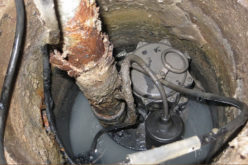
A wet vacuum works well for small amounts of water, while a sump pump or submersible pump is better suited to larger volumes. For basements with several inches of standing water, professional extraction equipment removes water far faster than household tools.
-
Act Within The First Few Hours
Speed matters here. Every hour that water remains increases the risk to flooring, drywall, and personal belongings, and it shortens the window you have before mold becomes a concern.
Dry And Dehumidify Thoroughly
Removing visible water is only half the job. The materials in your basement, carpet, drywall, and framing, hold onto moisture long after the floor looks dry.
-
Why Timing Matters So Much
Mold spores begin forming within 24 to 48 hours of moisture exposure, and if water is left untreated for 48 to 72 hours, mold often becomes visible (ServiceMaster of Tacoma, 2026). By the one-week mark, mold can embed itself deep into structural materials, making remediation far more involved.
-
Speed Up The Drying Process
Open windows for airflow, position fans to circulate air, and run an industrial-strength dehumidifier for several days. Pay close attention to carpets, upholstery, and wood, since these materials retain moisture the longest.
Identify The Water Source
Once your basement is dry, take time to understand exactly how the water got in. This determines what repairs you’ll need and how urgent they are.
-
Common Entry Points To Check
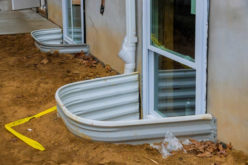
Look closely at foundation cracks, especially any wider than one-eighth of an inch, since these often require targeted sealing. Also inspect your sump pump, window wells, and the area where your foundation meets the ground.
-
Look Beyond The Foundation Itself
Clogged gutters and downspouts that empty too close to your home are among the most common culprits. Check whether the ground around your foundation slopes away from the house, since improper grading directs water straight toward your basement walls.
Address Immediate Repairs
With the source identified, you can make targeted repairs that reduce your risk before the next storm arrives.
-
Seal Visible Cracks
Hydraulic cement or epoxy injection can seal small to moderate foundation cracks and stop water from re-entering through the same spot. These are effective short-term solutions, though they may not resolve pressure-related leaks on their own.
-
Fix Drainage Issues
Clean out gutters, extend downspouts at least several feet away from your foundation, and repair or replace a failed sump pump right away. These fixes are inexpensive relative to the water damage they prevent.
Consider Professional Assessment
Some basement leaks point to problems that go beyond a quick patch, and that’s where a professional’s eye becomes valuable.
-
When To Call In An Expert
If you notice recurring leaks, widening cracks, or signs of structural movement, a licensed basement specialist or structural engineer can identify the root cause. This is especially important if your home has a history of water problems.
-
What A Professional Assessment Reveals
An expert evaluation often uncovers hidden issues, such as a failing exterior membrane or inadequate drainage, that aren’t visible from inside your basement. This ensures your next steps solve the actual problem rather than just the symptoms.
Plan Long-Term Waterproofing Solutions
Once the immediate crisis is handled, it’s worth investing in a lasting solution so you’re not repeating this process after the next heavy rain.
-
Interior And Exterior Waterproofing
Exterior waterproofing involves excavating around your foundation to apply a waterproof membrane, offering comprehensive protection for homes where water consistently flows toward the foundation. Interior waterproofing, including sealants and sump pump systems with battery backup, works well when exterior access is limited.
-
Improve Drainage For The Long Term
A French drain or sub-slab drainage system redirects groundwater away from your foundation before it becomes a problem. Combined with proper grading and well-maintained gutters, these systems significantly reduce your basement’s flood risk over time.
Notify Your Insurance Company
Even with strong documentation and quick action, don’t overlook this administrative step. It can significantly affect your financial recovery.
-
Report The Damage Promptly
Contact your homeowner’s insurance provider as soon as possible and share the photos, videos, and notes you gathered earlier. The average insurance payout for water damage is $13,954, though this varies widely based on the extent of the damage (RubyHome, 2025).
-
Understand What’s Covered
Standard homeowner’s policies often cover sudden events like burst pipes but exclude gradual flooding or groundwater seepage. If flooding is a recurring concern in your area, separate flood insurance may be worth exploring for future protection.
Frequently Asked Questions
-
How Fast Does Mold Grow After A Basement Floods?
Mold spores can begin forming within 24 to 48 hours of moisture exposure, and visible mold growth often appears within 48 to 72 hours if water isn’t removed and the area dried thoroughly (ServiceMaster of Tacoma, 2026).
-
Is It Safe To Enter A Flooded Basement?
Only enter after confirming that electricity to the area is shut off. Avoid contact with standing water when possible, as it may be contaminated, and leave immediately if water levels are rising.
-
How Much Does Basement Water Damage Repair Typically Cost?
Basement restoration costs can range from $500 for minor damage to $80,000 for severe structural issues, depending on the extent of the damage and the materials affected.
-
Will My Homeowner’s Insurance Cover A Leaking Basement?
It depends on the cause. Sudden events like a burst pipe are typically covered, while gradual seepage, groundwater flooding, or neglected maintenance issues often are not.
-
What Causes A Basement To Leak After Heavy Rain?
Common causes include foundation cracks, clogged gutters, poor grading around the home, a malfunctioning sump pump, and hydrostatic pressure from saturated soil pushing against basement walls.
-
Should I Hire A Professional Or Handle Basement Waterproofing Myself?
Minor crack sealing and drainage fixes are manageable as DIY projects. However, recurring leaks, structural cracks, or high water tables call for professional assessment to identify and address the underlying cause.
-
How Do I Prevent My Basement From Flooding Again?
Maintain clean gutters, extend downspouts away from your foundation, ensure proper grading, and consider installing a sump pump with battery backup along with interior or exterior waterproofing systems.
-
What’s The First Thing I Should Do When I Notice Water In My Basement?
Prioritize safety first by shutting off power to the area if it’s accessible, then begin removing standing water as quickly as possible to limit damage and reduce mold risk.
-
Can A Wet Basement Affect My Home’s Structural Integrity?
Yes. Persistent moisture and hydrostatic pressure can weaken foundation walls over time, leading to cracking, bowing, or settling if the underlying water issue isn’t resolved.
-
How Long Does It Take To Fully Dry Out A Flooded Basement?
With proper equipment, including fans and industrial dehumidifiers, a basement typically takes three to five days to dry completely, though larger floods or high humidity climates may require longer.
Protect Your Home For The Next Storm
A leaking basement after heavy rain feels overwhelming in the moment, but you now have a clear path forward. Prioritize safety, remove water quickly, dry the space thoroughly, and address the root cause before the next storm arrives.
Long-term waterproofing is an investment in peace of mind. Whether that means sealing a crack today or installing a full drainage system this season, taking action now protects your home, your belongings, and your family from the next heavy rain.
home improvement ideas to consider (complete directory – new win):


| Topic | Content | Key Points |
|---|---|---|
| Introduction | If your basement leaks after heavy rain, quick action is vital. Shut off electricity, remove water within 24-48 hours, and consult professionals for lasting fixes. This guide outlines steps to tackle leaks effectively. | Immediate action prevents mold and helps protect your home. |
| Understanding Basement Flooding | Basements are surrounded by soil that retains rainwater. During heavy rains, water builds up and forces its way inside through cracks, often exacerbated by poor drainage or aging waterproofing systems. | Hydrostatic pressure and poor drainage increase vulnerability. |
| Immediate Safety Steps | Ensure safety by cutting power to flooded areas and avoiding contact with potentially contaminated water. Document the damage through photos and written notes for insurance claims. | Safety comes first; clear documentation aids recovery efforts. |
| Water Removal | Use tools like wet vacuums or sump pumps to remove standing water quickly. Act within the first few hours to limit damage and reduce mold risks. | Fast action minimizes structural damage and mold formation. |
| Drying Process | Thorough drying with fans and dehumidifiers is essential, as basement materials retain moisture. Timing is critical to prevent mold, which develops quickly within 24-48 hours. | Focus on hidden moisture sources like carpets and drywall. |
| Identifying Water Sources | Inspect foundation cracks, clogged gutters, and ground slopes for the water entry points. Improper grading or failed drainage systems are common culprits. | Identifying the source is critical for targeted repairs. |
| Repairs | Seal visible cracks with hydraulic cement or epoxy and improve drainage by cleaning gutters and extending downspouts. Repair faulty sump pumps promptly. | Fixes address immediate issues and prevent future flooding. |
| Professional Assessment | If leaks are recurring or severe, consult a specialist. They can uncover hidden structural problems or inadequate waterproofing systems for more comprehensive solutions. | Experts ensure long-lasting repairs for serious issues. |
| Long-term Waterproofing | Invest in systems like exterior waterproof membranes or interior sump pump setups. French drains and proper grading further reduce flooding risks. | Proactive measures protect against future water damage. |
| Insurance Notification | Report damage to your homeowner’s insurance provider promptly. Familiarize yourself with coverage details, and consider flood insurance for recurring risks. | Timely reporting aids financial recovery from water damage. |

Find Professional Services Abatement Services Junk Removal Site Preparation Recovery Services top-rated, pre-screened local contractors FREE: download contractor selection enter zip code – powered by HomeAdvisor ™


Image credit: basement leaking by envato.com
end of post … please share it!
| more photo remodeling |
Jump Over to Our Photo Analysis Center for Ideas on
"Renovating Home"
|__________________________________________________________|
home remodeling surprise
find out where it might go - new win


Helpful article? Leave us a quick comment below.
And please share this article within your social networks.