While most preparations are usually focused on boarding windows or trimming down trees, the plumbing system is left vulnerable. Storms can disrupt water service, flood crawl spaces, and back up your sewers. Small issues can become a source of major damage!
However, if you take preventive measures, you can protect your home, minimize repair costs, and ensure you have access to clean water during emergencies. Here are some ways to prepare your plumbing system for hurricane or storm season!
Safeguard Your Water Supply Before the Storm Hits
Storms can interrupt or contaminate your water supply. Municipal water systems may go offline due to power outages or become compromised due to flood waters. If you want to avoid being caught without clean water, you must act early.
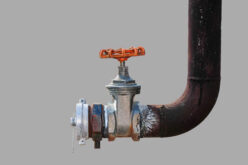
Firstly, turn off the main water valve before the storm comes! This will help prevent dirty water from entering your home’s plumbing system during or after the flood.
In older homes or coastal properties, contaminated water can backflow into your pipes and appliances, too. So, if you close the main valve, it will reduce the risk of water pressure spike damaging your plumbing.

Also, be sure to store an emergency supply of potable water. Fill clean containers, sinks, and bathtubs with water for drinking, cooking, or sanitation.
Remember that each person in your house will need at least a gallon of water per day. Hence, it is best to prepare for at least three days.
Inspect your plumbing for any leaks or weakened connections. Even if there is a small drip, it can escalate under storm conditions.
This can lead to water damage or mold buildup. If you find issues, contact a licensed plumber before the season starts.

Prevent the Floodwater from Damaging Pipes and Drains
Flooding is perhaps the most destructive impact of hurricanes. When flood water enters your basement or crawl space, it can damage your pipes severely and overwhelm the drainage system in general.
In this regard, it may help to install a sump pump, especially if your property is in an area prone to flooding. A sump pump can help in removing the excess water from under your home. It can hence, help prevent backups and pipe submersion. It is also a good idea to test the pump before time and keep a battery backup in case there is a power outage.
Also, seal any wall gaps or openings where pipes are entering your home. Use waterproof caulk or sealant to block any possible entry points for water. These small cracks can let in storm runoff that can corrode your plumbing from the outside.
Clear out your gutters, outdoor drains, and downspouts of any leaves or debris. During a storm, blocked drainages can cause water to gather near your foundation and even seep into your plumbing system. Fast-moving water can also dislodge insecure pipes, especially if they are under the house or outdoors.
Protect Against Sewer and Septic System Backups
Sewer backups are quite common during storms and hurricanes. When the municipal systems overflow due to heavy rain, wastewater can come into your home through toilets, showers or floor drains. This is not only messy but a health hazard as well.
Install backwater valves in the major drain locations if your area frequently experiences backups. These valves enable water to flow out but do not let it come back in. It is a small investment if you consider the thousands you may have to spend on cleanup costs otherwise.
If your property relies on a septic system, it is vital to take extra precautions. If the ground is saturated, it can cause septic tanks to overflow or fail. Schedule a septic inspection before the storm season to make sure the system is working fine. A professional can check for early warning signs like a foul odor or slow drains.
Also, limit water use during the days leading up to a hurricane. This will help reduce pressure on both the sewer and septic systems. This is also the ideal time to opt for professional water treatment services.
This is particularly important if you live in an area vulnerable to water contamination. These services can help you test and purify stored water or ensure that your home system is equipped to handle unsafe municipal supplies after the storm.
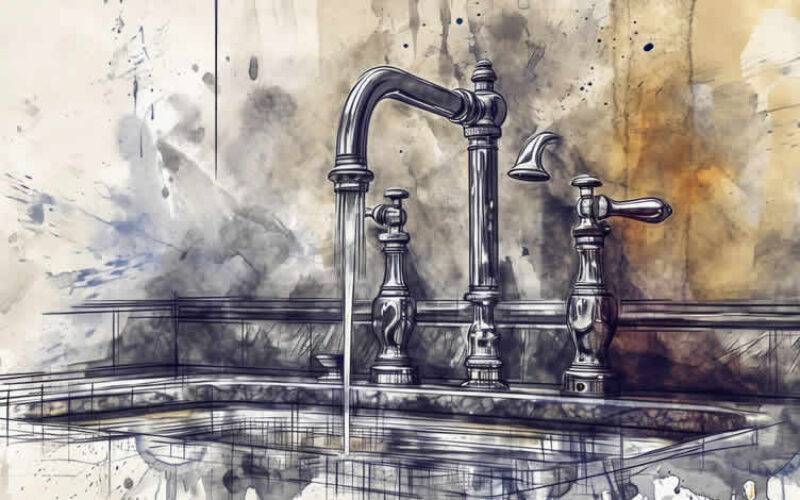
When to DIY Plumbing Issues and When to Call a Plumber
When it comes to home maintenance, plumbing issues often top the list of common concerns for homeowners. While some minor plumbing tasks, such as fixing a leaky faucet or unclogging a drain, may seem manageable through do-it-yourself solutions, understanding the limits of your skills and the complexity of the problem is crucial.
Final Thoughts
Preparing your plumbing system for hurricanes or storm season is not just a precaution. It should be a vital part of your home protection measures. Take the time to secure your water supply, protect your pipes, and prevent backups.
This way, you will be able to save yourself from costly damage and health risks, too. When you have a plumbing system prepared in the event of a storm, it gives you one less thing to worry about during what is otherwise a very stressful time already.
So, have you checked your system for leaks or made a plan to safeguard your plumbing this season?
other related analysis of interest: (new win)
Find Plumbing Services Plumbing Issues Drain Clearing Septic/Sewers Water Heaters Pumps Water Softening top-rated, pre-screened local contractors FREE: download contractor selection enter zip code – powered by HomeAdvisor ™


Image credit: preparing your plumbing for hurricane by envato.com
end of post … please share it!
| more photo remodeling |
Jump Over to Our Photo Analysis Center for Ideas on
"Renovating Home"
|__________________________________________________________|
home remodeling surprise
find out where it might go - new win


Helpful article? Leave us a quick comment below.
And please share this article within your social networks.