Luckily, there are a few things you can do to keep your crawl space dry and free of moisture.
This blog post will share 7 expert tips on how to keep your crawl space dry. So if you’re concerned about moisture in your crawl space, read on for some helpful tips!
Inspect Regularly
Inspect your crawl space regularly for any signs of moisture
In order to protect your home from potential water damage and ensure its longevity, it is essential to inspect your crawl space regularly for signs of moisture. A damp crawl space can result in mold growth that poses health risks for you and your family.
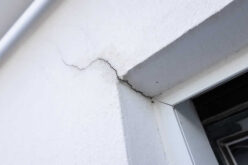
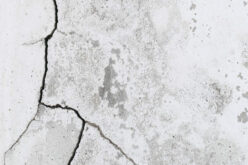
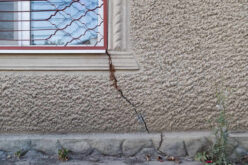
Furthermore, moisture in your crawl space can expand existing cracks in the foundation or create new ones – leading to costly repairs. To avoid such issues, check around all accessible surfaces of the space for any accumulated water.

Furthermore, it may be useful to equip yourself with a moisture meter – this will help you more accurately measure the humidity levels in the area and save you time when inspecting the area.
If you detect any signs of excess moisture, make sure to address them immediately to prevent more serious issues in the future.
Remove Any Water
If you see any water, immediately remove it and dry the area
Repairing your crawl space can be a tedious task, but one of the most important steps is to make sure all water has been removed from the area.
This is not only important for avoiding mold and mildew but also essential for repairing any damage that has already occurred; if water is allowed to persist, it can compound wooden rot and weaken support beams, leading to far more costly improvements down the line.
Taking immediate steps for repairing your crawl space and removing any standing water ensures that you can take preventative measures and minimize the damage done. Furthermore, make sure to use a dehumidifier and fans to aid in drying the area.
Install Vapor Barrier
Install a vapor barrier to prevent moisture from entering the crawl space
Keeping a home’s crawl space dry will protect it from water damage and wood rot, so installing a vapor barrier is essential. A well-installed vapor barrier blocks out moisture and humidity from external sources, like the ground and adjacent waterways, while also reducing the number of pests that can get inside.
Homeowners should consult an experienced contractor to have a professional vapor barrier installation done, which requires having the right engineering assessments done and appropriate materials used.
With a quality install, homeowners can be sure they won’t be dealing with mold or moisture in their crawl space for years to come.

Before you start any exterior home project – such as replacing roof, fixing the foundation, getting a new driveway, expanding the porch, and any other major exterior home project, run some financial numbers to determine whether the renovation is a smart investment.
The numbers include the estimated costs, home value assessment, financing costs, and other related calculations.
Review these cost-related issues to remodeling vs. buying a new home.
links to internal page (opens new win)
| analyze the numbers | |
| estimate the cost of your project | |
| get your home value |
The 2nd step for planning your exterior home project is deciding what you would like to do.
Will it be a –
- replacing the roof and/or gutters,
- adding new siding,
- updating the porch and home entryway,
- installing a new driveway and/or walkway,
- addressing foundational issues,
- decorating the exterior with trim, shutters and more decor,
- or something else.
Start collecting ideas by referencing our collection of home structural analysis: view directory
Step 3 is sketching your ideas on paper (or digitally) and developing the spec plan.
The spec plan determines what type of exterior home project materials, items, and design considerations that will be needed. It will also contain the product specifications for each structural element.
You will use the spec plan and architectural design to bid the project out to a contractor.
links to internal page (opens new win)
| developing the spec plan | |
| sketch remodeling plan | |
| design considerations |
Step 4 is finding and negotiating the contract with a structural contractor.
Give your exterior home project ideas and specs to a contractor for review and bid analysis. Use the local network (aligned with HomeAdvisor) to find the right contractor for your project.
Review guides for contractor selection and negotiation.
links to internal page (opens new win)
| search exterior home contractors | |
| selecting your contractor checklist |
| contractor negotiations | |
| contractor evaluation form |
Step 5 is arranging financing once you selected the contractor and finalized the contract for your project.
Using the equity value in your home is one of the best financing option for exterior home project. Start with a home equity line of credit or use the bank equity program.
Other options may include cash-out refinancing, personal savings, and/or financing from home improvement contractors.
links to internal page (opens new win)
| financing options | |
| getting qualified for financing | |
| negotiate rates |
Step 6 is where the project begins.
It starts with setting up the work area, removing everything that needs to be replaced, installing necessary connections, putting in the final touches, etc.
It also means working with the contractor, managing the project, and getting the home remodeling project inspected before releasing any funds.
links to internal page (opens new win)
| working with the contractor | |
| managing remodeling project |
| about a home project inspections | |
| find home inspector |
Use a Dehumidifier
Use a dehumidifier to remove any existing moisture in the air
Removing existing moisture in the air is a critical step to prevent crawl space issues and reduce humidity. A dehumidifier can help control crawl space moisture levels and reduce potential problems with mold and mildew growth.
Not only will it help your crawl space crawl stay dry, but it will result in cleaner air for your family to breathe. By investing in and maintaining a dehumidifier for your crawl space, you’ll be able to better protect your home from harmful airborne contaminants like mold, dust mites, and other allergens.
Fix Plumbing Leaks
Fix any leaks in your plumbing or roof that could be causing moisture problems
To avoid bigger problems in your home, you should take the necessary steps to fix any plumbing or roof leaks as soon as possible. These leaks can not only damage your walls and floors but can also lead to mold growth in your crawl space.
If your crawl space is susceptible to moisture buildup, this could eventually create a health hazard from the spores of various types of molds.
To prevent this from happening, make sure your plumbing and roofing are checked regularly for any signs of water penetrating into your home. An ounce of prevention will go a long way for your family’s safety and comfort.
Maintain Good Drainage
Make sure your gutters are clean and free of debris so they can properly drain water away from your home
It’s not just your roof that needs your attention – clean gutters are essential for keeping your home safe and secure. Just like your roof, your gutters need to be clear of debris to ensure rain runs off quickly and efficiently.
Water can cause damage to your foundation and even your crawl space if it is not able to drain properly through your gutters. By regularly removing leaves, branches, and other objects from your gutters, you can be sure the rain will move freely away from your home.
Doing this quick check can protect your property from costly repairs down the line – so don’t forget those important gutters!
Get Professional Help
Call professionals if the problem is persistent
Finally, if the problem is persistent, you should contact a professional to check for any structural damage or other issues in your crawl space.
An experienced contractor can do an inspection and provide solutions to repair any water damage that has occurred, as well as suggest ways to ensure it doesn’t happen again.
This will not only protect you from future potential water damage but will also help to maintain the value of your home. In order to find the right professional, make sure to check their qualifications and read reviews from other homeowners.
other related articles of interest:
The Dos and Don’ts of Crawl Space Encapsulation
How to Prevent Termites and Other Creepy Crawlers from Damaging Your House
No matter how dry your crawl space is, it’s still important to be vigilant and take steps to protect it from moisture. Taking preventative measures like installing a vapor barrier and using a dehumidifier can keep your crawl space safe and healthy for years to come.
Don’t forget to fix any leaks or clean your gutters, and if the problem persists, don’t hesitate to call a professional for assistance. With these simple steps, you can be sure that your crawl space will remain dry and free of potential water damage.
Find Exterior Home Services Chimney Driveways Foundations Waterproofing top-rated, pre-screened local contractors FREE: download contractor selection enter zip code – powered by HomeAdvisor ™


Image credit: keep moisture out of our crawl space by envato.com
end of post … please share it!
| more photo remodeling |
Jump Over to Our Photo Analysis Center for Ideas on
"Renovating Home"
|__________________________________________________________|
home remodeling surprise
find out where it might go - new win


Helpful article? Leave us a quick comment below.
And please share this article within your social networks.