Many homeowners underestimate the power of tree roots as they grow and spread beneath the surface. This article will explore how trees can cause significant damage to your home’s foundation.
Here, well delve into the potential issues and offer practical tips on how to protect your property.
Understanding Root Growth Patterns
Tree roots are fascinating yet complex systems that extend well beyond what is visible above ground. They are designed to seek out water and nutrients necessary for the tree’s survival. As they grow, roots naturally spread wide and deep into the soil.
Unfortunately, this expansion can lead them towards foundations if these structures disrupt their path or offer easier access to moisture. A crucial first step in protecting your foundation is understanding the growth patterns of different tree species commonly found around homes.

How Roots Affect Soil Stability
The impact of tree roots on soil stability cannot be overstated. As roots grow, they absorb water from the surrounding soil, which can lead to soil shrinkage or subsidence—especially in clay-heavy soils prone to expansion and contraction with moisture content changes.
This instability can result in uneven settling of a foundation, causing cracks or shifts that might compromise structural integrity over time. Recognizing signs of soil movement early on can prevent extensive damage later.
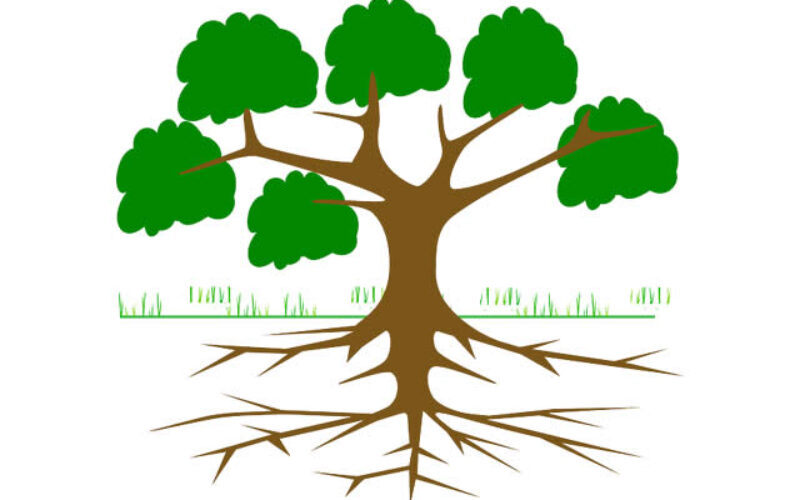
Direct Contact With Foundations
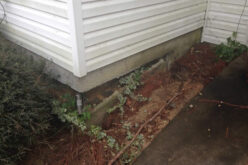
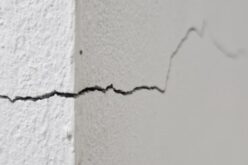
In some cases, tree roots may come into direct contact with a building’s foundation walls or footings. When this happens, the pressure exerted by growing roots against concrete or masonry can cause cracks or dislodgements in the structure itself.
Though not all trees have aggressive root systems capable of such damage, certain species like oak or willow are notorious for their powerful root expansions.
Identifying Warning Signs Around Your Home
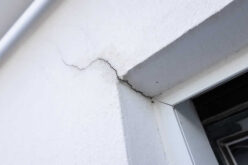
Detecting early warning signs of root-related foundation damage can save you from costly repairs down the line. Start by regularly inspecting your home’s foundation, looking for cracks in walls, floors, or ceilings that may indicate shifting. Pay close attention to any doors or windows that become difficult to open or close, as this can signal misalignment from foundation movement.
Also, check for any visible root exposure near the foundation, as these can be clear indicators of potential issues. Being vigilant and proactive in identifying these signs will help you protect your home effectively.
Preventive Measures To Protect Your Foundation
Taking proactive steps can help prevent tree roots from damaging your home’s foundation. First and foremost, thoughtful landscaping is vital. When planting new trees, choose species with non-aggressive root systems and place them at a safe distance from your house.
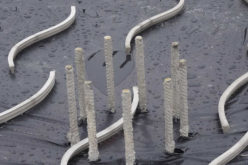
A good rule of thumb is to plant trees at a distance equal to their expected mature height. Regularly monitor the growth of existing trees and schedule inspections with an arborist to assess root behavior and health. Installing root barriers can also help redirect roots away from foundations.
These barriers are typically made of metal or plastic and are installed vertically around trees to stop roots from encroaching into restricted areas.

Tree Removal
While the idea of removing a tree from your property may feel like a drastic measure, there are times when it’s the most sensible decision to protect your home’s foundation and overall safety.
If a tree’s roots pose a direct threat to your foundation, or if the tree shows signs of disease or instability, removal might be the best option. Diseased or dying trees can become hazardous, risking structural damage and personal injury if they fall.
Additionally, invasive root systems from certain tree species may continuously undermine foundational stability, despite preventive measures. In such cases, consulting with a professional tree services company can provide relevant insights and ensure a carefully managed removal process.
Conclusion
Understanding the relationship between tree roots and your home’s foundation is crucial for maintaining the safety and longevity of your property. By recognizing potential risks and taking proactive measures, such as choosing appropriate tree species, implementing root barriers, and conducting regular inspections, you can effectively minimize the threat of root-induced foundation damage.
Remember, addressing these concerns early on can save you from costly repairs and preserve the value and structural integrity of your home. Stay informed, remain vigilant, and always consider professional guidance when needed, ensuring your home remains a safe haven for years to come.
Find Exterior Home Services Chimney Driveways Foundations Waterproofing top-rated, pre-screened local contractors FREE: download contractor selection enter zip code – powered by HomeAdvisor ™


Image credit: how tree roots can cause foundation damage by envato.com
end of post … please share it!
| more photo remodeling |
Jump Over to Our Photo Analysis Center for Ideas on
"Renovating Home"
|__________________________________________________________|
home remodeling surprise
find out where it might go - new win


Helpful article? Leave us a quick comment below.
And please share this article within your social networks.