But along with the joys of homeownership comes the responsibility of maintenance. That dripping faucet, the loose cabinet hinge, or the picture frame you want to hang perfectly straight—these are no longer calls to a landlord. They are yours to handle.
Building a well-stocked toolkit is one of the most empowering steps you can take as a new homeowner. It transforms panic into capability. Instead of feeling helpless when a minor issue arises, you can confidently reach for the right tool and set things right.
This guide walks you through the essential tools every homeowner should have on hand, covering everything from basic repairs to safety and organization, ensuring you are prepared for both planned projects and unexpected emergencies.
- post content
- Measuring and Marking Tools
- Fastening and Repair Tools
- Cutting Tools
- Safety Tools
- Plumbing Tools
- Electrical Tools
- Cleaning and Maintenance Tools
- Organization Tools
- conclusion
- view table:content summary
- view notes:collective tips
- view ideas:latest remodeling analysis
- view post (new win):Navigating Home Emergencies
Measuring and Marking Tools
Precision is the foundation of almost any successful home project. Before you drill a hole or buy a piece of furniture, you need to know exactly where it goes and if it fits.
A quality Tape Measure is non-negotiable. Look for a 25-foot locking tape measure with a sturdy blade that can stand out on its own without collapsing. This length covers most room dimensions while still being compact enough for measuring furniture or window frames.

Whether you are sizing a room for a new rug or checking if a couch will fit through the door, accurate measurement prevents costly mistakes and frustration.
Once you have your measurements, you need to ensure everything is straight. A Level is essential for maintaining the aesthetic balance of your home.
Nothing catches the eye quite like a crooked shelf or a painting that tilts to the left. A 24-inch beam level is versatile enough for hanging shelves and aligning cabinets, while a smaller "torpedo" level is handy for tight spaces.
Using a level ensures that your surfaces are even and your installations look professional, contributing to a sense of order and care in your living space.
However, knowing where to hang something is only half the battle; you also need to know what is behind the wall. A Stud Finder is a critical tool for safely mounting heavy items like televisions, bookshelves, and large mirrors.
Drywall alone cannot support significant weight, and anchoring into a stud provides the necessary structural support. Modern electronic stud finders can also detect live electrical wires, adding an extra layer of safety to your drilling projects.

Fastening and Repair Tools
The ability to tighten, loosen, and assemble is central to home maintenance. A comprehensive Screwdriver Set is the workhorse of your toolbox.
You will encounter screws on everything from light switch plates to doorknobs and furniture assembly kits. Ensure your set includes various sizes of both Phillips head (the cross shape) and flathead (the single slot) drivers.
Magnetic tips can be a lifesaver, holding the screw in place while you work, preventing it from dropping into hard-to-reach places.
While screwdrivers handle threaded fasteners, a Hammer applies force. A 16-ounce claw hammer is the standard for general home use. It is heavy enough to drive nails into wood for hanging pictures or minor carpentry repairs, yet light enough to control easily.
The curved "claw" on the back is just as important as the striking face, allowing you to pry up nails or remove old trim. A hammer with a comfortable, shock-absorbing grip will reduce fatigue during longer tasks.
For tasks requiring grip and leverage, Pliers are indispensable. A set should ideally include needle-nose pliers for reaching into small spaces and bending wire, slip-joint pliers for general gripping, and locking pliers (often called Vise-Grips) for clamping down on stubborn bolts.
Whether you are retrieving a small toy from a drain or tightening a loose nut on a bicycle, pliers provide the grip strength your fingers cannot.
Completing your fastening kit is a Wrench Set. An adjustable wrench (Crescent wrench) is incredibly versatile because its jaw width can change to fit various nut and bolt sizes.
However, a set of fixed combination wrenches—with an open end and a box end—is better for tasks where you need more torque or have limited space. These are crucial for assembling furniture, tightening plumbing fixtures, and performing basic mechanical repairs on lawn equipment.
Cutting Tools
Opening packages, trimming materials, and cutting wood require sharp, reliable tools. A Utility Knife, often called a box cutter, is likely the tool you will use most frequently.
With a retractable blade for safety, it slices through cardboard, cuts carpet, scores drywall, and opens stubborn blister packs with ease. Always keep a supply of replacement blades on hand; a dull knife is dangerous because it requires more force to use, increasing the likelihood of slipping.
For woodworking or pruning duties, a Saw is necessary. A basic hand saw can handle small cuts on lumber or plastic piping. If you plan on doing more extensive DIY projects, you might consider a power saw, like a circular saw or jigsaw, later on.
However, for a starter kit, a good hacksaw (for cutting metal or plastic) and a crosscut saw (for wood) will cover most immediate needs without the expense or storage requirements of power tools.
Don’t forget a pair of Heavy-Duty Scissors or shears. Unlike the scissors in your kitchen drawer, these are designed to cut through tough materials like leather, thick cardboard, heavy fabric, and plastic sheeting.
They are essential for crafting, repairs, and opening heavy-duty packaging that a utility knife might not handle as safely.
more info below
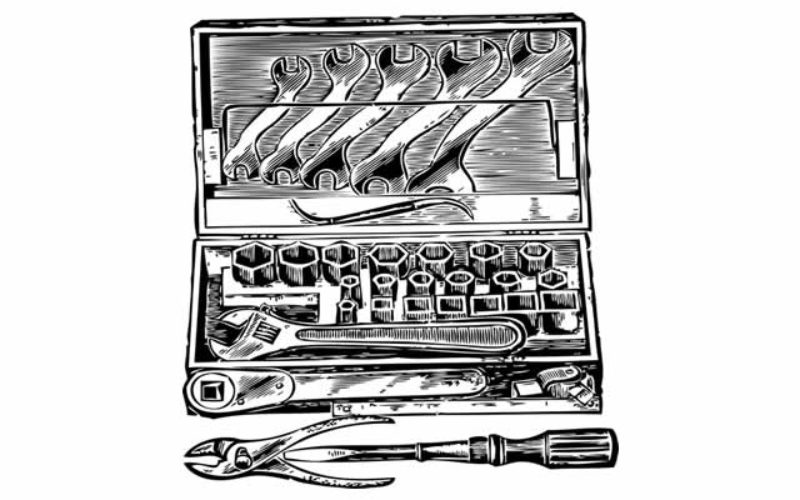
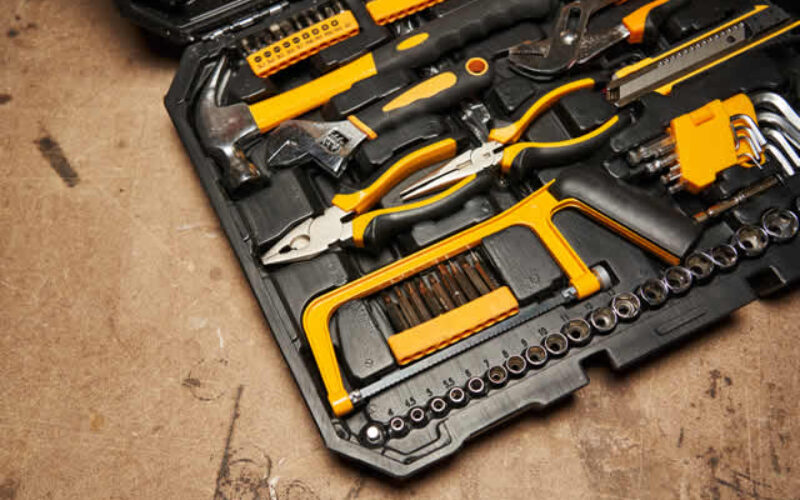
Must-Have Tools for Your Professional Tool Kit
A complete tool kit is a necessity for any handy person. Whether you’re a homeowner who likes DIY projects or a professional repair person with several years of experience, it’s crucial that you always have the necessary tools to accomplish a task.
Safety Tools
Home improvement is rewarding, but safety should always be the priority. Safety Glasses are mandatory for any task involving flying debris, dust, or chemicals.
Whether you are hammering a nail, sawing wood, or using spray paint, protecting your eyes prevents serious injury. Modern safety glasses are comfortable and can fit over prescription eyewear, so there is no excuse not to wear them.
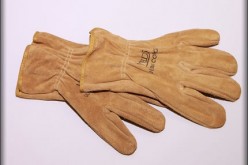
Your hands are your most valuable tools, so protect them with Work Gloves. Leather or synthetic canvas gloves protect your skin from splinters, sharp edges, and blisters during heavy tasks like landscaping or moving lumber. F
or tasks requiring more dexterity, like painting or handling oily parts, disposable nitrile gloves are a great addition to your kit.
Finally, accidents happen even to the most careful homeowners. A well-stocked First Aid Kit should be easily accessible, ideally kept in the same area as your tools. It should contain bandages, antiseptic wipes, antibiotic ointment, tweezers, and pain relievers.
Being able to quickly treat a minor cut or scrape allows you to get back to work safely or stabilize an injury before seeking further help.
Plumbing Tools
Plumbing issues often require immediate attention to prevent water damage. A Plunger is the first line of defense against clogged toilets and drains.
It is wise to have two: a flange plunger for toilets and a cup plunger for flat drains like sinks and bathtubs. Using the correct plunger creates a better seal and clears blockages more effectively.
If you are dealing with leaky pipes or installing a new showerhead, Plumber’s Tape (Teflon tape) is essential. This thin white tape wraps around the threaded ends of pipes to create a watertight seal.
It is inexpensive, easy to use, and prevents leaks that could lead to mold or structural damage inside your cabinets or walls.
For tasks under the sink, a Basin Wrench is a specialized tool that saves a tremendous amount of frustration. Its long handle and swiveling jaw allow you to reach up behind the sink basin to loosen or tighten the mounting nuts on faucets—a space that is nearly impossible to reach with standard wrenches.
Electrical Tools
Electrical work demands caution and the right equipment. Before you ever touch a wire or outlet, you must verify that the power is off.
A Voltage Tester is a non-contact tool that detects the presence of electricity. simply touching the tip to a wire or outlet will tell you if it is "live." This small, inexpensive tool is a critical safety device for changing light fixtures or replacing outlets.
When you do need to work with wiring, Wire Strippers are the proper tool for the job. They cleanly cut through the plastic insulation without damaging the copper wire underneath.
Most wire strippers also include a wire cutter and crimper, making them a multi-functional tool for electrical repairs.
To secure and insulate your connections, Electrical Tape is required. This stretchy vinyl tape provides insulation and protection for wire splices and minor cable repairs.
It is also useful for bundling wires together to keep things organized behind your TV or computer setup.
Cleaning and Maintenance Tools
Projects often create messes, and a standard household vacuum isn’t always up to the task. A Shop Vacuum (Wet/Dry Vac) is designed to handle heavy debris like sawdust, drywall dust, and even water.
Whether a pipe bursts or you track mud into the garage, a shop vac can clean it up without damaging the motor, which would happen to a regular vacuum.
For everyday cleanup in the garage, workshop, or patio, a sturdy Broom and Dustpan are essential. Look for a push broom for large outdoor areas and an angle broom for reaching into corners indoors.
Keeping your workspace clean is not just about aesthetics; it prevents tripping hazards and keeps your tools in good condition.
Many maintenance tasks, from changing a lightbulb to cleaning gutters, require elevation. A reliable Ladder is a must.
A 6-foot fiberglass stepladder is a versatile choice for most indoor tasks and is safer than aluminum if you are doing electrical work. Ensure it has a sturdy shelf for holding your tools and paint cans while you work.
here’s another interesting viewpoint
more info below

Master Bedroom Trends for 2026: Designing Your Restorative Sanctuary
Master bedrooms in 2026 are evolving into deeply personal, restorative sanctuaries that feel warm, textured, and intentionally designed.
Organization Tools
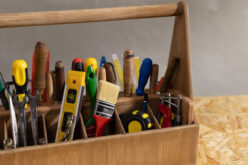
A collection of tools is only useful if you can find what you need when you need it. A Toolbox or Tool Bag keeps your essential items organized and portable.
Hard-sided toolboxes offer protection and stackability, while soft-sided bags often have more pockets and are easier to carry around the house. Choose one that has room for your current collection with a little space to grow.
As your collection expands, Wall-Mounted Organizers like pegboards or slat walls are excellent for garages or basements. They keep tools visible and off the workbench, maximizing your workspace.
Organizing your tools saves time and prevents the frustration of buying a duplicate tool simply because you couldn’t find the one you already own.
Equipping Your Home for the Future
Building a home toolkit is an investment in your home and your peace of mind. You don’t need to buy everything at once; start with the basics like a hammer, screwdriver set, and tape measure, and add to your collection as specific needs arise.
Having these essential tools on hand transforms you from a passive occupant into an active caretaker of your property. It allows you to tackle emergencies swiftly, maintain the value of your home, and take pride in the space you have worked so hard to acquire.
So, fill that toolbox, learn how to use each item, and enjoy the satisfaction that comes with making your house truly your own.
other related analysis of interest: (new win)
Home Dimensions: Design Your Renovation Like a Pro with These Essential Measurements
- Family Handyman. "10 Tools Every Homeowner Should Own." Family Handyman.
- This Old House. "The Essential Homeowner’s Tool Kit." This Old House.
- Bob Vila. "The Essential Tools Every Homeowner Needs." Bob Vila.
| Category | Description | Essential Tools |
|---|---|---|
| Measuring and Marking Tools | These tools ensure precision and accuracy during home projects. They help measure spaces and align items properly. | Tape Measure, Level, Stud Finder |
| Fastening and Repair Tools | Designed for tightening, loosening, and assembling, ensuring secure fixtures and repairs around the home. | Screwdriver Set, Hammer, Pliers, Wrench Set |
| Cutting Tools | Used to trim and cut various materials, making them essential for a wide range of tasks from opening packages to carpentry. | Utility Knife, Saw, Heavy-Duty Scissors |
| Safety Tools | Protect you from injuries during projects and safeguard your overall health while handling tools. | Safety Glasses, Work Gloves, First Aid Kit |
| Plumbing Tools | Specialized tools to handle plumbing issues efficiently and prevent water damage in critical situations. | Plunger, Plumber’s Tape, Basin Wrench |
| Electrical Tools | Essential for working safely with wiring and electrical components in household repairs and improvements. | Voltage Tester, Wire Strippers, Electrical Tape |
| Cleaning and Maintenance Tools | Help keep your workspace clean and organized while tackling various messes created during projects. | Shop Vacuum, Broom and Dustpan, Ladder |
| Organization Tools | Keep your tools organized and easily accessible for quick and efficient work. | Toolbox, Wall-Mounted Organizers |


Image credit: by envato.com
end of post … please share it!
|__________________________________________________________|
home remodeling surprise
find out where it might go - new win


Helpful article? Leave us a quick comment below.
And please share this article within your social networks.