Moving building materials from one climate to another sounds like a simple logistics problem. In practice, wood, adhesives, and even some paints respond to heat and humidity much the way skin does. They expand, shrink, and sometimes fail.
What worked beautifully in a cool, humid climate can warp, crack, or peel within months of arriving somewhere hot and dry. The fix starts with understanding why, not just what to replace.
Why Does Moving Building Materials From One Climate to Another Cause Problems?
Wood and many finishes are hygroscopic, meaning they absorb and release moisture depending on the humidity around them. A dining table built and dried in a humid region settles into balance with that air over years of ordinary use.
Move it to a desert climate with humidity in the single digits, and the wood keeps releasing moisture long after the moving truck leaves. Joints loosen and boards crack as the shrinkage happens unevenly across the piece. It’s often faster on the side closest to a window or air conditioning vent.
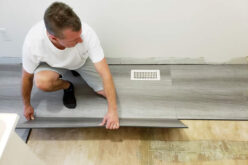
The same principle affects veneers, some laminate flooring, and even certain leather furniture. Metal fixtures behave differently but no better. Intense heat speeds up the failure of adhesives and rubber seals that held up fine in milder weather for decades.
That climate math is why homeowners tackling energy efficiency renovations built for Texas’ climate reach for manufactured materials and sealed finishes. Solid hardwoods pulled from a cooler, wetter region rarely make the cut.
None of this means older materials are poorly made. It means they were built for a different set of conditions than the ones they’re about to meet.
What Happens Before the Materials Even Arrive?
Long before furniture reaches a hot climate, it usually sits inside a shipping container for weeks. That container can reach temperatures far higher than the destination city ever will.
A box parked on a dock in direct sun can climb past 60°C, cooking wood and finishes for days before anyone even opens it. Anyone packing for a hot climate usually focuses on clothing and personal items first.
The same heat exposure, though, hits furniture and building materials sitting in transit just as hard. Requesting climate-controlled storage or shipping during cooler months can reduce some of that damage. It rarely eliminates it completely.
By the time a piece reaches its new home, it may already be partway through the stress. That stress eventually shows up as cracks or warping months later.
Which Materials Struggle Most in Hot, Dry Climates?
Some materials tolerate the shift from a humid or temperate climate to a hot, arid one far better than others. The ones that struggle most include:
- Solid wood furniture and flooring, especially thick, unfinished pieces
- Veneer and particleboard furniture with weak or aged glue joints
- Natural leather upholstery, which dries and cracks without added humidity
- Certain oil-based paints and finishes that turn brittle in heat
- Rubber seals and gaskets on doors, windows, and appliances
None of these materials are automatically ruined by the move. They just need attention that wasn’t necessary back home, and a bit of patience while they settle into the new environment over the first several months.
How Should You Choose Replacement Materials for a Hot Climate?
Prioritize engineered materials over solid, natural ones wherever the choice exists. Engineered wood, quality laminate, and stabilized veneers handle humidity swings more predictably than solid wood does, since layered construction resists warping better than a single solid plank.
Manufacturing controls their moisture content more precisely than nature ever does. Water-based finishes tend to hold up better than oil-based ones in extreme heat. Fabric upholstery generally outlasts leather unless the leather gets regular conditioning with a proper cream or oil. The same trade-offs show up outdoors, too.
Anyone transforming a high-rise outdoor space in Miami into a lush retreat has to weigh humidity resistance alongside heat resistance. Coastal moisture rots what dry desert heat would only crack.
For anything solid and irreplaceable, like a family heirloom table, a humidifier in the room it lives in can slow the moisture loss enough to prevent cracking.
None of these swaps require sacrificing style. They just mean choosing materials built for the climate they’ll actually live in, not the one they came from.
What Does Building Science Say About Materials and Climate?
This isn’t just anecdotal experience from people who’ve made the move. Research funded through the U.S. Department of Energy’s moisture control guidance for building design and construction treats humidity mismatch as a predictable engineering problem, not bad luck.
It’s the same category of problem that shows up in wall assemblies, roof systems, and foundations built for the wrong climate zone. The same principles that guide how a building’s walls and framing get designed for a specific climate zone apply just as directly indoors, to the furniture and finishes people live with every day.
Materials selected and sealed for one moisture environment need a different approach in another. That’s true whether it’s a wall assembly or a wooden bookshelf sitting in a living room.
Treating a piece of furniture like a small building system, one that responds constantly to its environment, makes the whole adjustment far less mysterious and far easier to plan around.
Give Your Materials Time to Adjust — Or Choose Ones That Don’t Need To
Moving building materials from one climate to another always involves some adjustment period. Pretending otherwise just delays the cracked table or peeling finish by a few months. Give solid wood pieces time to acclimate before using them hard.
Add humidity where it’s practical, and lean toward engineered materials for anything replaced after the move.
Before shipping anything solid and irreplaceable, ask whether it actually needs to make the trip at all, or whether it deserves a climate-controlled exception instead. That one question, asked before the move rather than after the cracks appear, saves more furniture than any repair ever will.
home improvement ideas to consider (complete directory – new win):

Image credit: materials in your old home by envato.com
end of post … please share it!
| more photo remodeling |
Jump Over to Our Photo Analysis Center for Ideas on
"Renovating Home"

|__________________________________________________________|
home remodeling surprise
find out where it might go - new win


Helpful article? Leave us a quick comment below.
And please share this article within your social networks.