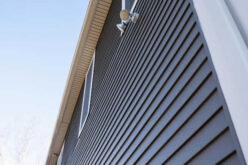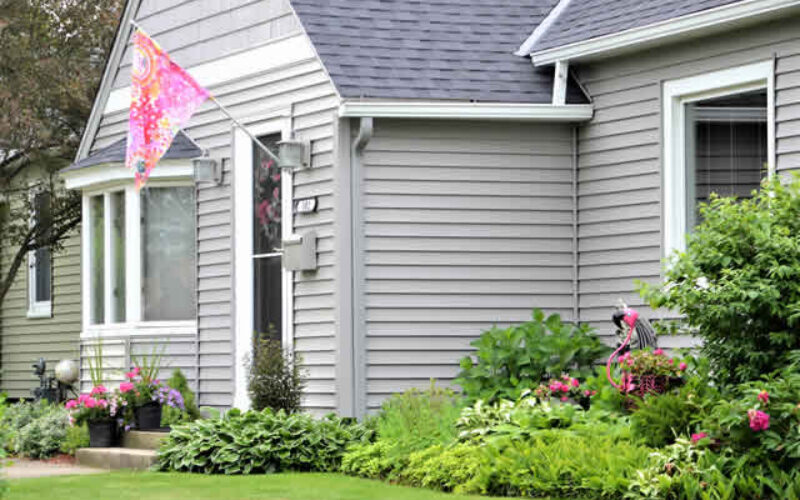
Proper installation isn’t all about looks. It’s also about protection. That includes having siding that can withstand water damage, warping, and wind uplift.
The right methods make the difference between siding that lasts and a costly redo months later. Keep reading to learn practical tips to install siding like a professional.
Start With the Right Materials
Excellent materials are the literal foundation of any project. The same rule applies to siding. Typical options include those made from vinyl, wood, or fiber cement.
Before choosing your material, make sure it’s ideal for your climate and maintenance preferences. For instance, fiber cement is likely a better siding option in areas prone to rain than wood siding, which is prone to rot.
If you live in a neighborhood, visually inspect what siding materials your neighbors have on their homes. Chances are, that’s the type of siding you need.
Additionally, don’t skimp on the hardware. Rust-resistant nails and stainless steel screws are a must, especially for outdoor applications. If you’re unsure where to source high-quality fasteners, find reputable fastener suppliers.

Prep Your Surfaces
Before cutting away the tape and taking your siding out of its box, take a closer look at your wall sheathing. This shouldn’t take long (and may require no work) if you’re working with newly installed walls.
However, wall sheathing on older homes could contain dust, dirt, or pests that require cleaning to remove. Steps to follow include:
- Removing debris
- Patching damaged areas
- Letting the sheathing dry
Skipping or rushing this step can lead to your siding warping, buckling, or trapping excess moisture. As you can imagine, these problems will likely require you to reinstall your siding. Inspect closely.
Even small, barely noticeable rot spots or mold patches can continue to grow behind your siding. Since these problems often stem from trapped moisture, make sure your panels are completely dry before you install or wrap them.
Consider Barriers
While some areas are more prone to severe weather than others, many places have picturesque weather all year round. Fortunately, weather-resistant barriers act as an invisible shield. House wraps provide an additional protective layer between your walls and the outside world.
As you place your wraps, ensure you overlap all seams properly. Also, securely tape your joints. If not, you could wind up with a sloppy wrap job and weak barriers.
Some wraps are breathable; others are not. It’s generally best to find siding that offers a bit of breathability without leaving too much space or constricting your siding.
Use Flashing
No home is complete without spaces for doors, windows, and rooflines. Unfortunately, these areas are prone to leaks. Thankfully, there’s a solution: flashing. Flashing helps redirect water from vulnerable points of your home.
It’s vital to ensure you install your flashing carefully, as water can sneak through any gaps. Don’t rely on caulking. It can fail.
Schedule Regular Inspections
High-quality siding typically lasts longer than its cheap counterparts. However, even the best siding won’t last forever, especially without proper maintenance. When it comes to siding, signs of damage can include loose panels or cracks in your caulking.
Spotting warning signs early on can save you lots of time and money on repairs. From a visual standpoint, you may also need to touch up paint or sealer.
Ventilation Matters
Here’s a step many overlook: airflow. It’s understandable to think that you’ve properly installed siding after firmly pushing it against the wall sheathing. However, that’s not the best choice.
There should be some ventilation. Trapped heat and moisture cause siding to warp. Mold or mildew can also form when trapped water is behind your siding.
You can prevent this problem by installing vented soffits or rainscreens, leaving small holes in the bottom rows for natural drainage to take place.
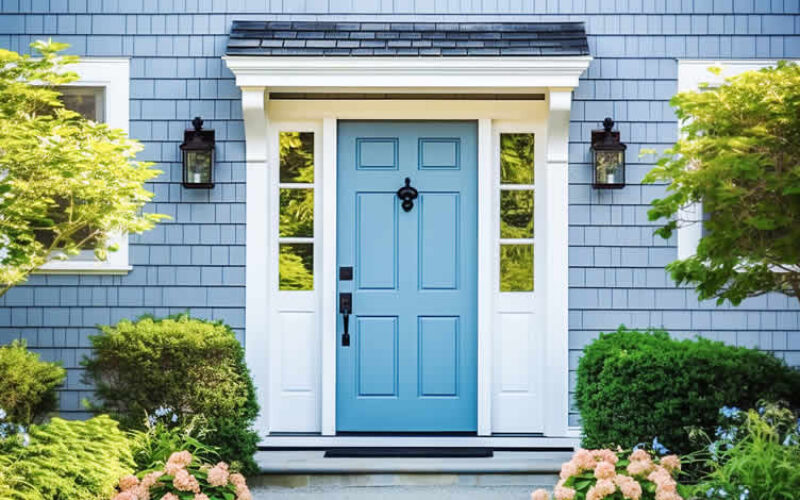
Home Siding Options That Will Stand the Test of Time
In the realm of home exteriors, the choice of siding is paramount. It plays a pivotal role in protecting your home from the elements and defines its aesthetic appeal. However, searching for a durable and visually appealing siding material can be daunting.
Know When to Call a Professional
Unsure what to look for when it comes to siding inspections? Don’t have the spare time to learn about installing siding? It could be time to schedule a professional siding inspection.
Contractors can inspect your siding once or twice a year. Homeowners also contact licensed builders for assistance with flashing, working with unique siding materials, and handling tricky layering or trim work.
Yes, hiring an expert’s help will cost money. However, think of it as an investment in your peace of mind and home. You may also have spent much more had you made mistakes taking the DIY siding installation route.
Wrapping Things Up
Installing residential siding is more than a surface-level project. It’s also not as easy as it may seem. When it comes to protecting the outside of your home, siding plays a pivotal role.
However, siding materials only work best after someone uses the right materials and installs siding properly. From flashing and fasteners to wrapping up gaps, the little things can add up.
Properly installed siding isn’t just about your materials. It’s about the installation process. So, take your time, be thorough, and your newly installed siding can last for decades.
other related analysis of interest: (new win)
The Ultimate Guide to Closet Systems: Unlock Better Organization and Efficiency
Elevate Your Home with Powder Room Design Inspiration That Works
Find Home Siding Services Siding Brick Concrete Stone top-rated, pre-screened local contractors FREE: download contractor selection enter zip code – powered by HomeAdvisor ™


Image credit: residential siding by envato.com
end of post … please share it!
| more photo remodeling |
Jump Over to Our Photo Analysis Center for Ideas on
"Renovating Home"
|__________________________________________________________|
home remodeling surprise
find out where it might go - new win


Helpful article? Leave us a quick comment below.
And please share this article within your social networks.