However, navigating the installation process can be daunting. This comprehensive guide will walk you through the essential steps to ensure a smooth and successful heat pump installation.
Understanding Your Heating and Cooling Needs
Before diving into the installation process, it’s crucial to assess your heating and cooling needs. Consider the size of your home, the climate in your area, and your personal comfort preferences. A heat pump’s efficiency and performance are directly related to its size and capacity, so selecting the right unit is paramount.
Consult with a qualified HVAC professional to perform a load calculation. This calculation determines the heating and cooling requirements of your home, ensuring that the heat pump you choose is adequately sized. Factors such as insulation levels, window efficiency, and the number of occupants will influence the load calculation.

Understanding your climate is also essential. Heat pumps are most efficient in moderate climates, but advancements in technology have made them viable options in colder regions.
Research the heating and cooling demands of your area to determine if a heat pump is a suitable choice.

Choosing the Right Heat Pump System
Several types of heat pump systems are available, each with its own advantages and disadvantages. Air-source heat pumps are the most common type, drawing heat from the outside air.
Ground-source heat pumps, also known as geothermal heat pumps, utilize the stable temperature of the ground, offering higher efficiency but requiring a more complex installation.
Ductless mini-split heat pumps are ideal for homes without existing ductwork, offering zoned heating and cooling. These systems consist of an outdoor unit and one or more indoor units, providing flexibility and energy efficiency. Consider your home’s layout and ductwork to determine the most suitable heat pump system.
When selecting a heat pump, pay attention to its efficiency ratings. The Seasonal Energy Efficiency Ratio (SEER) measures cooling efficiency, while the Heating Seasonal Performance Factor (HSPF) measures heating efficiency. Higher ratings indicate greater energy efficiency and lower operating costs.
Selecting a Qualified Installer
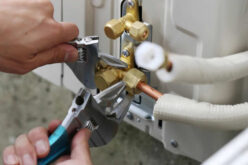
Choosing a qualified and experienced installer is crucial for a successful heat pump installation. Proper installation ensures optimal performance, efficiency, and longevity of your system. Research local HVAC contractors and look for certifications from organizations like the North American Technician Excellence (NATE).
Obtain multiple quotes from different installers and compare their prices, experience, and customer reviews. Ask for references and verify their credentials. A reputable installer will provide a detailed estimate and answer any questions you may have.
When using a company that offers reliable heat pump installation services, it is vital that the company that you choose have great reviews, and proper credentials.

What Does HVAC Mean? Why HVAC is a Vital Component for Your Home
Understanding a home HVAC (Heating, Ventilation, and Air Conditioning) system is essential for ensuring comfort, energy efficiency, and proper indoor air quality in your living space.

Preparing for Installation
Before the installation begins, prepare your home by clearing any obstructions around the outdoor and indoor units. Ensure that the electrical panel has sufficient capacity and that the ductwork, if applicable, is clean and in good condition.
The installer will need access to your home’s electrical system and outdoor space. Communicate with them about their needs and ensure that you understand the installation process. The installation may take several hours or even days, depending on the complexity of the system.
Post-Installation Maintenance and Operation
After the installation is complete, the installer should provide you with a thorough explanation of the system’s operation and maintenance requirements. Regular maintenance is essential for optimal performance and longevity.
This includes changing air filters, cleaning coils, and inspecting refrigerant levels. Schedule annual maintenance appointments with your HVAC contractor to ensure that your heat pump is operating efficiently.
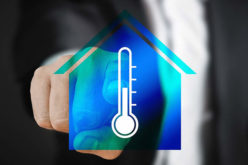
They can perform a tune-up and address any potential issues. Understand your heat pump’s thermostat settings and learn how to adjust them for optimal comfort and energy efficiency. Familiarize yourself with the system’s features and controls.
Conclusion
Installing a heat pump is a significant investment that can provide long-term comfort and energy savings. By understanding your needs, choosing the right system, selecting a qualified installer, preparing for installation, and implementing proper maintenance, you can ensure a successful and efficient heat pump installation.
other related analysis of interest: (new win)
Transform Your Outdoor Space with Beautiful Container Gardening
Find HVAC Services Air Conditioning Central Heating Ducts & Vents Insulation Thermostats Water Heaters top-rated, pre-screened local contractors FREE: download contractor selection enter zip code – powered by HomeAdvisor ™


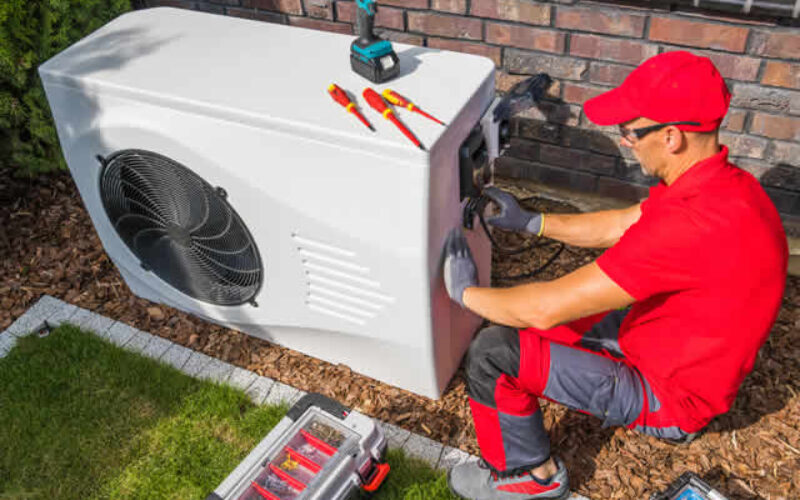
Image credit: getting a heat pump installed by envato.com
end of post … please share it!
| more photo remodeling |
Jump Over to Our Photo Analysis Center for Ideas on
"Renovating Home"
|__________________________________________________________|
home remodeling surprise
find out where it might go - new win


Helpful article? Leave us a quick comment below.
And please share this article within your social networks.