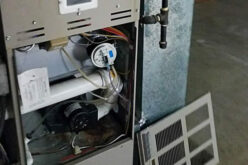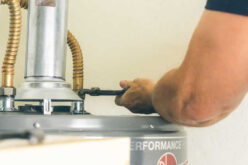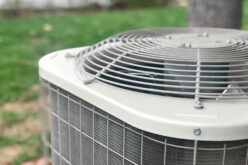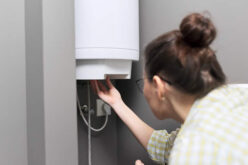
The last thing anyone wants is to wake up on a freezing January morning to discover their furnace has given up during the night. While some HVAC issues can be resolved with simple repairs, others point to a deeper problem that requires complete system replacement.
Recognizing the warning signs early can save you from emergency repair costs and uncomfortable nights without heat. Modern HVAC technology has evolved significantly over the past decade, offering homeowners more energy-efficient options that can dramatically reduce monthly utility bills while providing superior comfort control.
Understanding when to replace your HVAC system and which modern options best suit your home’s needs empowers you to make informed decisions before winter arrives. This comprehensive guide will help you identify the telltale signs of a failing system and explore the latest heating solutions that combine efficiency with reliability.
Signs It’s Time to Replace Your HVAC System
Several clear indicators can help you determine whether your current heating system needs replacement rather than another repair. These warning signs often appear gradually, making it easy to overlook them until a complete breakdown occurs.
-
Rising Energy Bills
When your heating system starts consuming more energy than usual, it typically signals declining efficiency. Most HVAC systems lose approximately 5% of their efficiency each year after the 10-year mark. If your monthly energy bills have increased by 20% or more without changes in usage patterns or utility rates, your system may be working harder to maintain comfortable temperatures.
Older systems often struggle with worn components, clogged filters, and deteriorating ductwork that forces the unit to run longer cycles. This increased runtime directly translates to higher energy consumption and elevated monthly costs that can quickly exceed the price of a new, efficient system.
-
Frequent Repairs
The frequency and cost of repairs provide strong indicators for replacement timing. HVAC professionals often recommend the "5,000-dollar rule" – if your system is over 10 years old and repair costs exceed $5,000 annually, replacement becomes the more economical choice.
Common recurring problems include failed blower motors, cracked heat exchangers, refrigerant leaks, and control board malfunctions. When these issues happen repeatedly, they indicate systemic problems that temporary fixes cannot adequately address.
The inconvenience of frequent service calls, combined with mounting repair costs, often makes replacement the practical solution.
-
System Age
Most furnaces and heat pumps have operational lifespans between 15-20 years with proper maintenance. Systems older than 15 years typically lack modern efficiency standards and may use outdated refrigerants that are becoming expensive or unavailable.
Gas furnaces manufactured before 2010 often have Annual Fuel Utilization Efficiency (AFUE) ratings below 80%, while modern units achieve 90-98% efficiency ratings.
Age alone doesn’t necessitate immediate replacement, but it does indicate increased likelihood of failures and higher operating costs. Combining advanced age with other warning signs creates a compelling case for proactive replacement.
-
Inconsistent Temperatures
Noticeable temperature variations throughout your home often indicate failing system components or inadequate capacity. Common causes include deteriorating ductwork, failing dampers, undersized equipment, or worn blower components that cannot distribute heated air effectively.
Modern zoning systems and variable-speed technology have largely eliminated these comfort issues in newer installations. If you find yourself constantly adjusting thermostats or using space heaters to maintain comfort, your current system likely cannot meet your home’s heating demands efficiently.
-
Unusual Noises or Smells
Strange sounds and odors from your HVAC system warrant immediate professional attention and may indicate serious safety concerns. Banging, grinding, or squealing noises often signal worn bearings, loose components, or failing motors that could lead to complete system breakdown.
Gas furnaces producing unusual odors require immediate inspection for potential gas leaks or cracked heat exchangers that could pose carbon monoxide risks. These safety-related issues typically necessitate system replacement rather than repair, as temporary fixes may not eliminate underlying hazards.


HVAC System Options to Consider
Modern heating technology offers several advanced options that provide superior efficiency, comfort, and control compared to older systems. Understanding these technologies helps you select the best solution for your specific needs and budget.
-
High-Efficiency Furnaces
Today’s high-efficiency gas furnaces achieve AFUE ratings between 90-98%, meaning they convert nearly all fuel into usable heat. These condensing furnaces capture and utilize heat from exhaust gases that older systems waste, resulting in significant energy savings.
Advanced features include variable-speed blowers that adjust airflow based on demand, providing consistent temperatures while reducing energy consumption. Modulating gas valves allow these furnaces to adjust heat output in small increments, maintaining precise temperature control while minimizing energy waste.
Many high-efficiency models operate much quieter than traditional furnaces and include advanced diagnostics that alert homeowners to potential issues before failures occur.
-
Heat Pumps
Heat pump technology has advanced dramatically, making these systems viable options even in colder climates. Modern cold-climate heat pumps can efficiently extract heat from outdoor air at temperatures as low as -15°F, providing reliable heating while using 50-70% less energy than traditional electric resistance heating.
Air-source heat pumps offer both heating and cooling capabilities in a single system, eliminating the need for separate furnaces and air conditioners. Geothermal heat pumps provide even greater efficiency by utilizing stable ground temperatures, though they require higher upfront investment for underground loop installation.
Variable-speed compressors and advanced refrigerants enable these systems to maintain comfortable temperatures while operating more quietly and efficiently than older models.
-
Smart Thermostats
Smart thermostat technology transforms how homeowners interact with their heating systems while maximizing energy savings. These devices learn household schedules and preferences, automatically adjusting temperatures to minimize energy consumption without sacrificing comfort.
Remote access through smartphone apps allows temperature adjustments from anywhere, preventing energy waste from heating empty homes. Advanced models provide detailed energy usage reports, maintenance reminders, and diagnostic information that helps identify potential issues early. Integration with home automation systems enables coordination with other smart devices for optimal energy management.
-
Ductless Mini-Split Systems
Ductless mini-split systems provide targeted heating and cooling for specific areas without requiring extensive ductwork modifications. These systems excel in homes with challenging layouts, additions, or rooms with unique heating requirements.
Individual indoor units allow precise temperature control for each space, eliminating energy waste from heating unused areas. Variable-speed inverter technology enables these systems to adjust output based on demand, providing consistent comfort while minimizing energy consumption.
Installation typically requires minimal disruption compared to traditional ducted systems, making them ideal for retrofitting older homes or adding heating to previously unconditioned spaces.

What Does HVAC Mean? Why HVAC is a Vital Component for Your Home
Understanding a home HVAC (Heating, Ventilation, and Air Conditioning) system is essential for ensuring comfort, energy efficiency, and proper indoor air quality in your living space.

Making the Right Choice for Your Home
Selecting the optimal HVAC system requires careful consideration of multiple factors that affect both immediate costs and long-term performance. Professional assessment ensures your new system properly matches your home’s specific requirements.
-
Assessing Your Home’s Needs
Home size, layout, insulation levels, and window efficiency all influence heating system sizing and selection. Professional load calculations determine precise heating requirements, ensuring your new system provides adequate capacity without oversizing that leads to inefficient operation.
Insulation improvements and air sealing upgrades may reduce heating loads significantly, allowing installation of smaller, more efficient systems. Ductwork condition affects system performance and may require modifications or replacement to maximize efficiency. Consider future changes like additions or renovations that might affect heating requirements.
-
Professional Consultation
Qualified HVAC contractors provide expertise essential for proper system selection and installation. They assess your home’s unique characteristics, local climate conditions, and personal preferences to recommend optimal solutions.
Professional installation ensures proper sizing, correct refrigerant charges, appropriate ductwork connections, and compliance with local codes.
Licensed contractors offer warranties on both equipment and installation work, providing protection for your investment. They also understand local rebate programs and financing options that can reduce initial costs significantly.
-
Budget Considerations
HVAC replacement represents a significant investment that should consider both upfront costs and long-term operational savings. High-efficiency systems typically cost more initially but provide substantial energy savings that often offset higher purchase prices within 5-10 years.
Many utility companies and government programs offer rebates for qualifying high-efficiency systems, reducing net installation costs. Financing options through manufacturers or contractors can spread costs over time while allowing immediate access to energy savings. Consider total cost of ownership including maintenance, repairs, and energy consumption when comparing options.
-
Energy Efficiency Ratings
Understanding efficiency ratings helps you compare different systems and predict operational costs. AFUE ratings indicate furnace efficiency, with higher percentages representing better performance.
SEER ratings measure air conditioning efficiency, while HSPF ratings indicate heat pump heating efficiency.
ENERGY STAR certified equipment meets strict efficiency guidelines and typically qualifies for utility rebates.
Variable-speed technology, though more expensive initially, provides superior efficiency and comfort compared to single-stage systems. Consider climate-specific ratings that better represent performance in your geographic area.


Preparing Your Home for Reliable Winter Comfort
The approaching winter season presents an ideal opportunity to address HVAC concerns before emergency situations arise. Recognizing warning signs early allows time for proper system evaluation, contractor selection, and installation scheduling during less busy periods when you have more options and potentially better pricing.
Modern HVAC technology offers remarkable improvements in efficiency, comfort, and reliability compared to systems installed even a decade ago. These advances translate to lower energy bills, enhanced comfort control, and reduced maintenance requirements that justify replacement investments for many homeowners.
Taking proactive steps now ensures your family enjoys consistent warmth throughout the coldest months ahead. Schedule a professional evaluation if you notice any warning signs, explore available rebates and financing options, and consider how modern HVAC solutions can transform your home’s comfort and efficiency for years to come.
other related analysis of interest: (new win)
Smart Thermostats: Your Guide to a Smarter Home
Home Plumbing Tricks and Tips: How Best to Maintain Your Plumbing Drainage System
| Warning Signs for HVAC Replacement | Modern HVAC System Options | Factors to Consider |
|---|---|---|
| – Rising energy bills indicating declining efficiency. – Frequent repairs with mounting costs. – System age exceeding 10-15 years. – Inconsistent temperatures across rooms. – Unusual noises or odors signaling safety concerns. |
– High-efficiency furnaces with 90-98% AFUE ratings. – Heat pumps suitable for cold climates with energy-saving benefits. – Smart thermostats for automated, remote temperature control. – Ductless mini-split systems for targeted heating and cooling. |
– Home size, layout, and insulation levels. – Professional load calculations and contractor expertise. – Budget considerations including rebates and financing options. – Long-term savings through energy efficiency. – System ratings (AFUE, SEER, HSPF) for better performance comparisons. |
Find Home Heating Services Central Heating Radiant Heat Fireplaces Thermostats top-rated, pre-screened local contractors FREE: download contractor selection enter zip code – powered by HomeAdvisor ™


Image credit: replace your HVAC system by envato.com
end of post … please share it!
| more photo remodeling |
Jump Over to Our Photo Analysis Center for Ideas on
"Renovating Home"
|__________________________________________________________|
home remodeling surprise
find out where it might go - new win


Helpful article? Leave us a quick comment below.
And please share this article within your social networks.