From moisture retention to regulating soil temperature, mulch has now become a defining element of landscape design.
This guide explores the growing trend of colored mulch and helps you make informed decisions on selecting the perfect color to complement your garden.
You’ll learn how to apply mulch effectively, understand its environmental implications, and create a garden that harmonizes beauty and sustainability.
- post content
- Understanding the Benefits of Mulch
- The Rise of Black Mulch: Aesthetics and Functionality
- Exploring Other Colored Mulch Options: Red and Gold
- Factors to Consider When Choosing Mulch Color
- Matching Mulch Color to Home Style and Landscape Design
- Practical Tips for Applying Colored Mulch
- Environmental Considerations and Sustainability
- Transform Your Garden with the Right Mulch Color
- view key:collective notes
Understanding the Benefits of Mulch
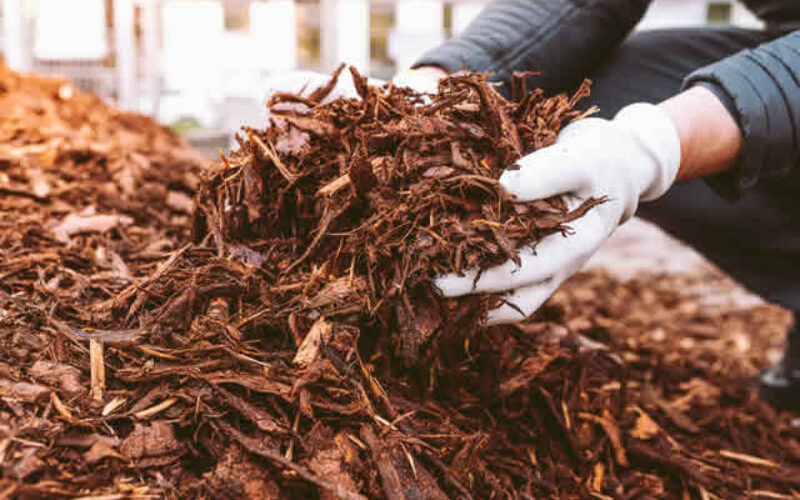
Before addressing color, it’s vital to recognize the functional benefits mulch brings to your home garden. At its core, mulch is a layer of material applied over soil to improve its quality and appearance. It minimizes weed growth, retains moisture, regulates temperature, and prevents soil erosion.
But modern mulch does more than enhance soil health. It has transcended its utilitarian roots and become a central element in garden design. Through the use of colored mulches, gardeners can now visually enrich their landscapes while enjoying the foundational benefits mulch offers.

The Rise of Black Mulch: Aesthetics and Functionality
Black mulch has gained immense popularity in recent years due to its sleek, modern aesthetic. Its deep, dark color creates a striking contrast with the vibrant greens of plants, allowing your garden’s natural foliage to stand out.

Functionally, black mulch excels at retaining soil heat, making it particularly useful during early spring when gardens need an extra boost for germination and growth.
Additionally, black mulch often features long-lasting color dyes that resist fading, ensuring your landscape remains polished and well-defined throughout the growing season.
This sophisticated, timeless look makes black mulch an ideal choice for minimalist garden designs or homes with contemporary architecture.
Its versatility appeals to gardeners who want a clean, professional finish without distracting from the natural beauty of their plants.
Exploring Other Colored Mulch Options: Red and Gold
While black mulch continues to dominate, other vibrant options, like red and gold mulch, offer unique design opportunities.
Red mulch is warm and bold, serving as an excellent choice to highlight brick homes or gardens with earthy, desert-like tones. This spirited mulch color can direct attention to specific areas of your landscape, creating focal points that command visual interest.
Gold mulch, on the other hand, brings brightness to your garden, offering a cheerful and inviting appearance. It pairs beautifully with flower beds or spaces with rustic, farmhouse-style aesthetics. Its sturdy visual appeal works harmoniously with gardens that feature light-colored flowers or shrubs.
Each color offers style, but it’s important to balance these tones with your overall garden design to avoid creating an overwhelming effect.
Factors to Consider When Choosing Mulch Color
Selecting the ideal colored mulch for your garden requires more than an attraction to a specific shade. Several critical factors play a role in ensuring your mulch harmonizes with your landscape and its surroundings.
The material of the mulch can impact color durability, with wood and bark-based mulches tending to hold color longer than alternatives. Additionally, homeowners should consider their climate.
Dark colors like black retain soil heat, which may be useful in cool regions, but lighter shades like gold could be preferable in hot climates to reduce overheating.
Maintenance levels are worth examining, too. While black mulch might boast longevity, red and gold may fade more quickly depending on weather exposure and the quality of dye treatment. Opt for high-quality, non-toxic dyes that are both fade-resistant and safe for plants.
Matching Mulch Color to Home Style and Landscape Design
Your garden is an extension of your home’s overall style, so your mulch color should reflect that harmony. For example, if your home features modern, neutral tones, black mulch will seamlessly blend while accentuating sharp lines and sleek architecture.
For traditional or rustic homes, red mulch often complements warm, earthy materials like brick or wood siding. Gold mulch can create a cohesive, country-like ambiance for homes with natural finishes and surroundings, such as wooden fences or gravel paths.
Consider your plant choices as well. Black mulch pairs beautifully with lush green foliage, red mulch adds contrast to gardens with neutral-toned flowers, and gold mulch brightens darker corners of your landscape.
Experiment with small sections, testing different mulch colors against elements like walkways or flower beds before committing to a larger application.
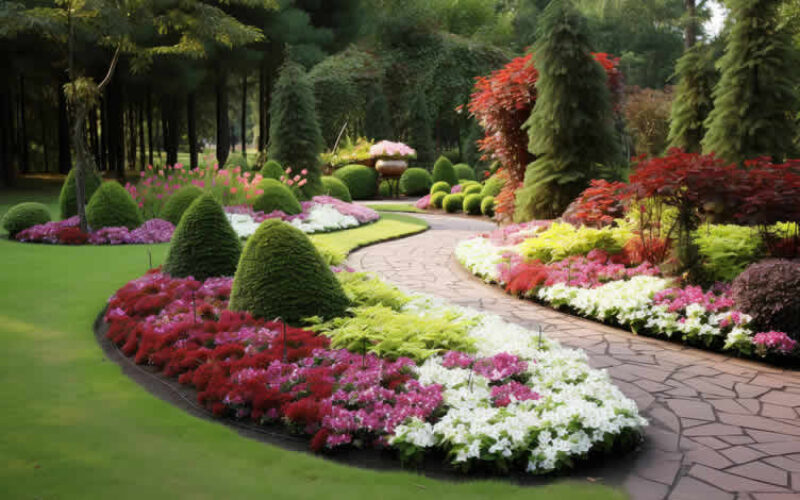
Elevate Your Outdoor Space with Stunning Garden Beds
Transforming your outdoor space can significantly enhance the beauty and functionality of your home. One of the most impactful ways to achieve this is through the creation of stunning garden beds.
Practical Tips for Applying Colored Mulch
Once you’ve selected your mulch color, proper application is key to maximizing its benefits. Start by clearing the area of weeds, debris, and any old mulch to create a clean base. Apply a three-inch layer of new mulch, as anything thinner may not sufficiently cover the soil, and anything thicker may prevent airflow to plant roots.
Refresh colored mulch annually or seasonally, depending on exposure and weather conditions, to ensure its brightness and functionality remain intact.
For dyed mulches, water the layer lightly after application to help the color adhere and settle. This simple step also prevents dyes from staining nearby surfaces.
Environmental Considerations and Sustainability
As with any garden product, it’s important to consider sustainability when selecting colored mulch. Look for mulch made from recycled or locally sourced materials, reducing your environmental footprint while still delivering exceptional garden results.
Choose non-toxic, environmentally friendly dyes that degrade naturally without harming the soil, plants, or nearby water sources. Many premium mulches explicitly specify eco-conscious production methods, making it easier to align your gardening practices with your values.
Additionally, composted or organic mulches provide an opportunity to nourish your soil while reducing waste. Combining sustainability with stunning aesthetics creates a golden opportunity to build gardens that truly thrive.
Transform Your Garden with the Right Mulch Color
Colored mulch can completely transform the appearance of your garden, adding layers of depth, contrast, and vibrancy to your landscape design. Whether you choose the dramatic tones of black mulch, the bold warmth of red mulch, or the cheerful brightness of gold mulch, each option allows you to create a curated look tailored to your home and personal style.
By thoughtfully considering factors like climate, material, and design flow, you can make informed decisions that elevate your garden to its full potential.
Start planning your mulch transformation today, and don’t be afraid to experiment with colors, textures, and patterns to create a garden you’ll love for years to come.
other related analysis of interest: (new win)
Thinking of Installing an Underground Automated Irrigation System? Here’s What You Need to Know
Backyard Wildlife: How to Invite, Control, and Remove When Necessary
Find Yard Maintenance Services Lawn Maintenance Sprinkler Systems Pest Control Tree & Shrubs top-rated, pre-screened local contractors FREE: download contractor selection enter zip code – powered by HomeAdvisor ™


Image credit: colored mulch trends by envato.com
end of post … please share it!
| more photo remodeling |
Jump Over to Our Photo Analysis Center for Ideas on
"Renovating Home"
|__________________________________________________________|
home remodeling surprise
find out where it might go - new win


Helpful article? Leave us a quick comment below.
And please share this article within your social networks.