Whether you’re preparing to sell your home or simply want to create a more welcoming entrance, a well-designed front yard can significantly boost your property’s value while providing personal satisfaction and neighborhood pride.
Many homeowners feel overwhelmed when considering front yard improvements, unsure where to begin or how to create a cohesive design that complements their home’s architecture.
The good news is that with a strategic approach, you can transform your front yard into a stunning landscape that reflects your personal style while working within your budget and maintenance preferences.
This comprehensive guide will walk you through a smart, systematic approach to front yard landscaping that delivers lasting results. From initial assessment to ongoing maintenance, you’ll discover practical steps that help you create the outdoor space you’ve always envisioned.
By following these proven strategies, you’ll be able to enhance your garden design while making informed decisions that maximize both beauty and functionality.
Understanding Your Front Yard
Before diving into any landscaping project, taking time to thoroughly evaluate your current front yard conditions sets the foundation for successful improvements. This assessment phase helps you identify both opportunities and challenges that will influence your design decisions.
-
Assessing Current Conditions
Start by examining your soil quality, as healthy soil forms the backbone of any successful garden design. Test your soil’s pH level and drainage capacity by digging a small hole and filling it with water. If water drains within a few hours, you have good drainage; if it sits for more than six hours, you may need to address drainage issues before planting.
Next, observe sunlight patterns throughout the day. Note which areas receive full sun, partial shade, or full shade, as this information will guide your plant selection process. Take photos at different times to document these patterns, creating a valuable reference for your planning phase.
Evaluate your existing plants and hardscape features honestly. Consider which elements you want to keep, which need improvement, and which should be removed entirely. This inventory helps you understand what you’re working with and can often reveal hidden potential in your current landscape.
-
Defining Your Style
Your front yard should reflect your personal preferences while harmonizing with your neighborhood’s aesthetic character. Walk through your area to observe successful front yard designs, noting elements that appeal to you and considering how they might work with your home’s architecture.
Consider your lifestyle needs alongside aesthetic preferences. Do you prefer low-maintenance landscapes, or do you enjoy regular gardening activities? Are you drawn to formal, structured designs or more naturalistic, cottage-style gardens? Understanding these preferences helps ensure your finished landscape aligns with your long-term satisfaction.
Think about seasonal interest and how your front yard will look throughout the year. A smart strategy incorporates plants and features that provide visual appeal across multiple seasons, ensuring your curb appeal remains strong year-round.


Planning Your Improvement Strategy
Successful front yard landscaping requires careful planning that balances your vision with practical considerations. This planning phase prevents costly mistakes and ensures your project delivers the results you desire.
-
Setting a Budget
Determine a realistic budget by researching costs for materials, plants, and any professional services you might need. Remember to include both initial installation costs and ongoing maintenance expenses in your calculations. A well-planned budget helps you prioritize improvements and make informed decisions about where to invest your resources.
Consider phasing your improvements over time if budget constraints make a complete overhaul impractical. Start with high-impact changes like foundation plantings or a prominent focal point, then gradually add elements as your budget allows. This approach lets you spread costs while still making meaningful progress toward your goals.
-
Choosing a Theme
Select a cohesive theme that complements your home’s architectural style and your personal preferences. Popular themes include cottage gardens with mixed perennials and informal borders, modern landscapes featuring clean lines and architectural plants, or native plant gardens that support local wildlife while requiring minimal maintenance.
Your chosen theme should guide plant selection, hardscape materials, and overall design elements. Consistency in style creates visual harmony and prevents your front yard from looking disjointed or chaotic. Consider how your theme will work with existing features you plan to keep, ensuring smooth integration between old and new elements.
Implementing Your Plan
With your assessment complete and plan in place, you’re ready to begin the physical transformation of your front yard. Taking a systematic approach ensures quality results and prevents overwhelming yourself with too many simultaneous tasks.
-
Soil Preparation
Begin by improving your soil health, as this investment pays dividends in plant performance and long-term success. Remove weeds and debris from planting areas, then work organic matter like compost or aged manure into the soil. This amendment improves drainage in clay soils and enhances water retention in sandy conditions.
Test your soil pH and adjust as needed for the plants you plan to install. Most plants thrive in slightly acidic to neutral soil, but some require specific pH ranges for optimal health. Address any drainage issues identified during your assessment, as proper drainage prevents root rot and other moisture-related problems.
-
Plant Selection
Choose plants that thrive in your specific environmental conditions while supporting your overall design theme. Focus on native or adapted species that require less water and maintenance once established. Group plants with similar water and sunlight requirements together to simplify care and improve success rates.
Consider mature plant sizes when spacing new installations, avoiding the common mistake of overcrowding. While young plants may look sparse initially, proper spacing prevents competition and reduces future maintenance needs. Create visual interest by varying plant heights, textures, and bloom times throughout your design.
Layer your plantings with trees for overhead structure, shrubs for mid-level interest, and perennials or annuals for ground-level color. This layered approach creates depth and visual complexity while providing year-round structure to your front yard landscaping.
-
Hardscaping
Incorporate hardscape elements that add structure and functionality to your design. Well-designed pathways guide visitors to your entrance while protecting your lawn and planted areas from foot traffic. Choose materials that complement your home’s exterior and your chosen theme.
Consider adding borders or edging to define planting beds and create clean lines between different landscape areas. These elements provide structure and make maintenance easier by preventing grass from encroaching into planted areas. Low walls, decorative stones, or planted borders can all serve this purpose effectively.
Install any necessary irrigation systems before completing your planting, as this timing prevents damage to newly installed plants and ensures adequate water coverage for your entire design.
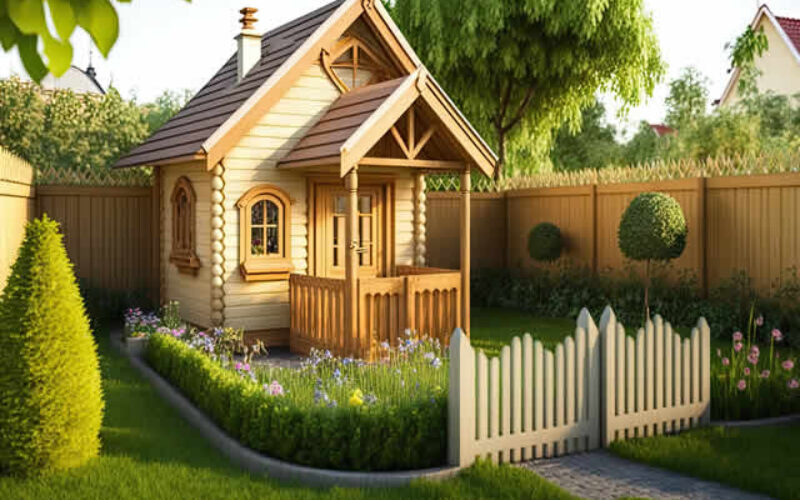
Landscape Planning and Design: Extensive Guide for Your Newly Purchased (or Existing) Home
Who needs landscape planning and design? Those who have a home but don’t like the current look of their landscaping or those who are looking for something new.
Maintenance and Upkeep
A beautiful front yard requires ongoing care to maintain its appearance and health. Developing good maintenance habits from the beginning ensures your investment continues to enhance your curb appeal for years to come.
-
Regular Watering and Fertilizing
Establish a consistent watering schedule that meets your plants’ needs without overwatering. Deep, infrequent watering encourages root development and drought tolerance, while frequent shallow watering creates weak, surface-dependent root systems. Adjust your schedule based on seasonal rainfall and plant establishment needs.
Apply appropriate fertilizers based on your soil test results and plant requirements. Organic fertilizers release nutrients slowly and improve soil structure, while synthetic options provide quick nutrient availability. Follow package directions carefully and avoid over-fertilizing, which can promote excessive growth and reduce plant health.
-
Seasonal Tasks
Develop a seasonal maintenance routine that keeps your front yard looking its best throughout the year. Spring tasks include pruning, mulching, and dividing perennials. Summer maintenance focuses on watering, deadheading flowers, and monitoring for pests or diseases.
Fall preparation involves cleaning up fallen leaves, planting spring bulbs, and protecting tender plants from winter weather. Winter tasks are minimal but may include snow removal from pathways and checking for storm damage to plants and hardscape features.
Regular maintenance prevents small problems from becoming major issues while preserving the beauty and value of your front yard landscaping investment.

Download this PDF file for a concise summary of all you need to know about …?

… using ornamental grasses in landscape design!

Creating Your Dream Front Yard
Transforming your front yard into a beautiful, functional space requires patience, planning, and consistent care, but the rewards extend far beyond simple curb appeal. A well-designed front yard creates a welcoming entrance that reflects your personal style while potentially increasing your property’s value and your daily enjoyment of your home.
Remember that successful front yard landscaping is an ongoing process rather than a one-time project. Your garden will evolve over time as plants mature and your preferences change, allowing you to refine and enhance your design gradually. Start with a solid foundation of healthy soil and appropriate plant selection, then build upon these basics as your experience and confidence grow.
other related analysis of interest: (new win)
Transform Your Outdoor Space with Beautiful Container Gardening
Thinking of Installing an Underground Automated Irrigation System? Here’s What You Need to Know
Take pride in each improvement you make, whether it’s a single new plant or a complete landscape overhaul. Your front yard is an extension of your home and personality, and investing time and effort in its improvement creates lasting satisfaction and neighborhood pride.
Begin with one small area and let your success inspire the next phase of your front yard transformation.
| Phase | Key Activities | Timeline | Budget Considerations |
|---|---|---|---|
| Assessment | Soil testing, sunlight mapping, inventory existing features | 1-2 weeks | Soil test: $15-30 |
| Planning | Style selection, budget setting, theme development | 2-4 weeks | Design consultation: $100-500 |
| Soil Preparation | Amending soil, drainage improvement, weed removal | 1-2 weeks | Compost/amendments: $50-200 |
| Plant Selection | Native species research, purchasing, seasonal timing | 1-3 weeks | Plants: $200-2000+ |
| Hardscaping | Pathways, borders, structural elements | 2-4 weeks | Materials: $300-3000+ |
| Installation | Planting, mulching, irrigation setup | 1-2 weeks | Mulch/supplies: $100-500 |
| Maintenance | Watering, fertilizing, seasonal tasks | Ongoing | Annual: $200-800 |
Find Yard n’ Garden Services Landscape Design Sprinkler Systems Metal Work Water Features Gazebos Play Equipment Outbuildings Fences top-rated, pre-screened local contractors FREE: download contractor selection enter zip code – powered by HomeAdvisor ™


Image credit: front yard improvement by envato.com
end of post … please share it!
| more photo remodeling |
Jump Over to Our Photo Analysis Center for Ideas on
"Renovating Home"
|__________________________________________________________|
home remodeling surprise
find out where it might go - new win


Helpful article? Leave us a quick comment below.
And please share this article within your social networks.