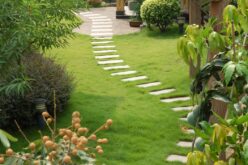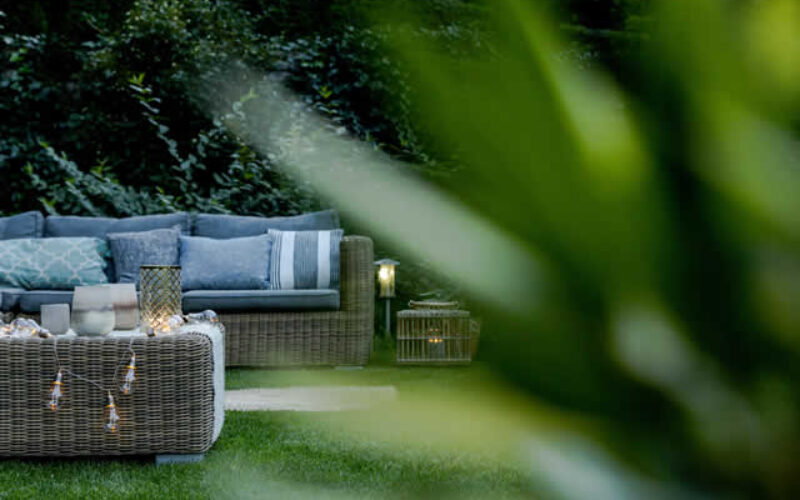
Yard size is irrelevant, honestly. Smart renovation works on both ends of the spectrum.
Charge in without a budget or a real plan, though, and you’ll be tearing it all apart again two summers from now.
- post content
- Assess Your Current Space and Define Your Goals
- Plan Your Layout and Consider Flow
- Choose Appropriate Materials and Hardscaping Elements
- Incorporate Vegetation and Landscape Design
- Add Functional Lighting and Water Features
- Select the Right Furniture and Finishing Touches
- Set a Realistic Budget and Timeline
- conclusion
- view notes:collective tips
- view analysis:Understanding Key Landscape Principles
- view ideas:latest remodeling analysis
Assess Your Current Space and Define Your Goals
Walk it first. Before you call anyone. Morning light reads completely differently than the harsh glare of a July afternoon — so time your walkthrough deliberately.
Where does water pool after rain? Which corners collect dead leaves and nothing else? Notice where foot traffic has worn the grass thin.
These aren’t minor observations; they’re your actual design brief. Then get specific about what you want from the space.
Quiet coffee mornings alone? Loud summer cookouts? Somewhere kids can actually run without you panicking?
Write those priorities down somewhere tangible. They’ll save you from chasing whatever backyard trend blew up on social media last week — and from expensive mid-project pivots that haunt people long after the contractor’s gone.

Plan Your Layout and Consider Flow
Layout decides everything else. A cluttered arrangement makes a generous yard feel cramped; a deliberate one makes a small patio feel surprisingly open.
Sketch zones on paper — dining area here, seating cluster there, a garden bed tucked along the fence line. People should move between areas without squeezing through gaps or doubling back awkwardly.
Sight lines matter too. Do you want to screen that ugly fence panel? Preserve the view from the kitchen window out to the garden? Settle those questions before any dirt moves.
Paper mistakes cost nothing. Construction mistakes? Considerably more.
understanding the priniciples of landscape design
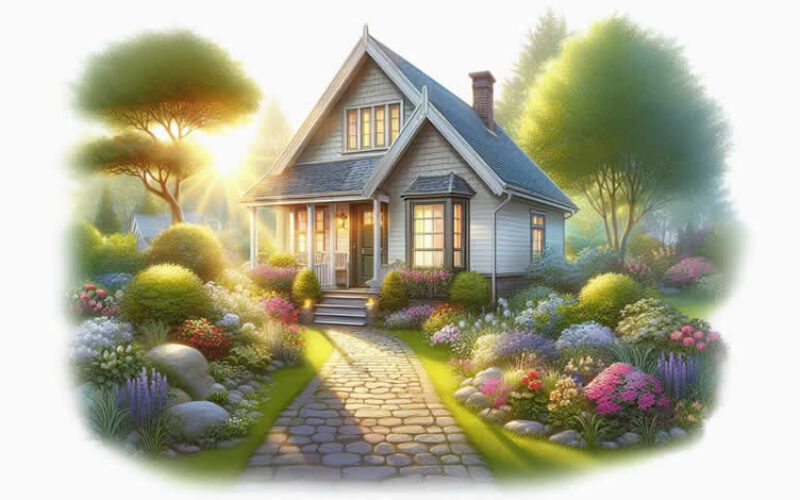
Understanding Key Landscape Principles to Elevate Your Outdoor Space
These landscape principles have guided professional landscape architects for generations, and they work just as well for a weekend warrior tackling the front yard.
Choose Appropriate Materials and Hardscaping Elements
The hardscape sets the tone for everything layered on top. Concrete, natural stone, composite decking, recycled materials — each carries its own price point, lifespan, and maintenance burden.
Flagstone is beautiful. It also chips, stains, and needs periodic sealing. Composite decking? Lower upkeep, consistent look, genuinely practical for families with zero interest in weekend maintenance projects.
Whatever direction you land on, make sure it reads well against your home’s existing exterior. Mismatched materials look awkward fast.
And don’t underestimate poor installation — cracking, shifting, safety hazards. All of it costs far more to fix later than simply doing it right the first time.
Incorporate Vegetation and Landscape Design
Plants aren’t static decoration. They grow, spread, die back in winter, return differently the following spring. Choose vegetation that actually suits your climate zone, your light conditions, your water situation.
Native plants are the smart call — less water, less fussing, and they actively support local pollinators. But here’s what people consistently miss: check the mature size of whatever you’re planting. That modest-looking shrub can swallow a walkway inside three years.
Strategic plantings also screen street noise, block wind, deliver real privacy without a fence going up. A considered landscape looks intentional.
A random assortment of whatever was on sale at the garden center? It shows immediately.
Add Functional Lighting and Water Features
Lighting extends the hours your outdoor space is actually usable. Path lights handle safety. Accent fixtures draw the eye to a specimen tree or a stone wall worth highlighting. Overhead lighting pulls a dining area together after dark — warm white LEDs, welcoming, efficient, long-lasting.
Water features add something harder to quantify. Moving water masks street noise in a way nothing else quite replicates, and even a small recirculating fountain shifts the whole character of a space.
You don’t need a koi pond. A simple birdbath or tabletop fountain does real work. These finishing layers are what turn a renovated yard into somewhere people actually want to linger.
more about landscape lighting

4 Solutions for Outdoor Lighting
Finding solutions for outdoor lighting can be tricky work. It can either be decorative lighting or something more practical, such as security.
Select the Right Furniture and Finishing Touches
Comfort and personality finally show up in the furniture. Prioritize materials built to survive actual outdoor conditions — UV-resistant fabrics, powder-coated metals, properly treated wood. Skimping here means replacing everything in two seasons.
Homeowners who want to see and test their options before committing to a purchase often rely on an outdoor furniture showroom to compare quality, comfort, and style across a wide range of collections in person.
That hands-on approach lets you judge actual scale, texture, and color against physical samples — not a screen. Pieces that look perfect online can clash badly in real life.
Seeing them side by side tells you immediately what works together and what doesn’t, saving you from expensive returns and second-guessing.
Set a Realistic Budget and Timeline
Here’s the uncomfortable part: it’ll probably cost more and run longer than you expect. Break every cost category down — materials, labor, permits, and a contingency buffer for the surprises that always surface.
Get multiple contractor quotes. The lowest bid isn’t automatically the right one. Weather delays happen. Soil conditions catch people off guard. Structural issues appear mid-project. Budget for all of it.
A firm spending ceiling forces useful discipline — it makes you prioritize what actually matters most, even when everything goes smoothly. A realistic timeline, meanwhile, keeps the whole thing from colonizing your life for months on end.
Managing Costs
Few home improvement experiences are more stressful than watching costs spiral out of control midway through a renovation or landscaping project.
Without proper planning, seemingly small upgrades can quickly escalate into unexpected expenses, leaving you overwhelmed and over budget.
By creating a detailed plan, prioritizing must-haves, and building a financial buffer for unforeseen surprises, you can maintain control and ensure the final result aligns with both your vision and your wallet.
view ideas: bugeting a home project (new win)

Conclusion
A well-executed outdoor renovation is genuinely one of the better investments you can make in a home. Start by assessing what you’re actually working with.
- Build a layout that functions — not just one that photographs well.
- Choose materials with real longevity.
- Plant things suited to your climate.
- Light the space so it’s usable after dark, and furnish it with pieces that hold up to the conditions.
- Set honest expectations about money and time.
Do those things, and the result isn’t just a nicer yard — it’s a place people come back to, where mornings feel different, where the value you’ve built is something you can enjoy every single day.
home improvement ideas to consider (complete directory – new win):
Find Yard n’ Garden Services Landscape Design Landscape Maintenance Sprinkler Systems Water Features Outbuildings Play Equipment Retaining Walls Fences Decks Patio Spas & Hot Tubs Swimming Pools Tree & Shrubs Pest Control Metal Work Steps & Walkways top-rated, pre-screened local contractors FREE: download contractor selection enter zip code – powered by HomeAdvisor ™


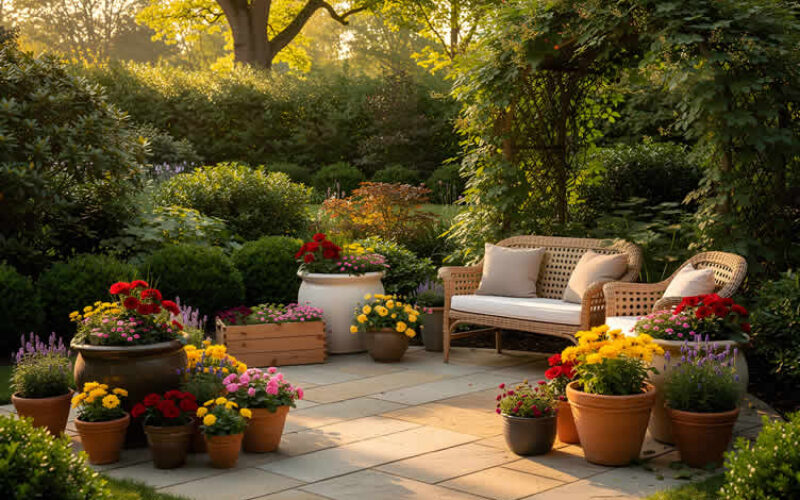
Image credit: renovating your outdoor space by envato.com
end of post … please share it!
| more photo remodeling |
Jump Over to Our Photo Analysis Center for Ideas on
"Renovating Home"
|__________________________________________________________|
home remodeling surprise
find out where it might go - new win


Helpful article? Leave us a quick comment below.
And please share this article within your social networks.