Regular maintenance is crucial in both residential and commercial buildings in order to avoid expensive repairs and increase the general system performance. This article will describe the key steps in HVAC maintenance, as well as why they are important for households and businesses.
Changing Air Filters Regularly
Changing the HVAC system’s air filters is among the most basic but also most crucial maintenance chores. To keep dust, debris, and other airborne particles out of the system components, air filters capture them. These filters can block with time, which would restrict airflow and force the system to operate more aggressively.
Poor air quality, more expensive energy bills, and even system problems can follow from this. Usually every one to three months, routinely changing the air filter guarantees the system functions well and helps to maintain good indoor air quality.
This stage is a simple yet efficient approach to avoid certain HVAC problems and raise general system performance.

Cleaning the Coils and Fins
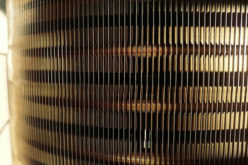
The evaporator and condenser coils of an HVAC system can accumulate dirt over time, reducing the system’s ability to absorb and emit heat. By insulating the evaporator coil and hence inhibiting its effective heat absorption, dirt accumulation on it can lower the system’s efficiency.
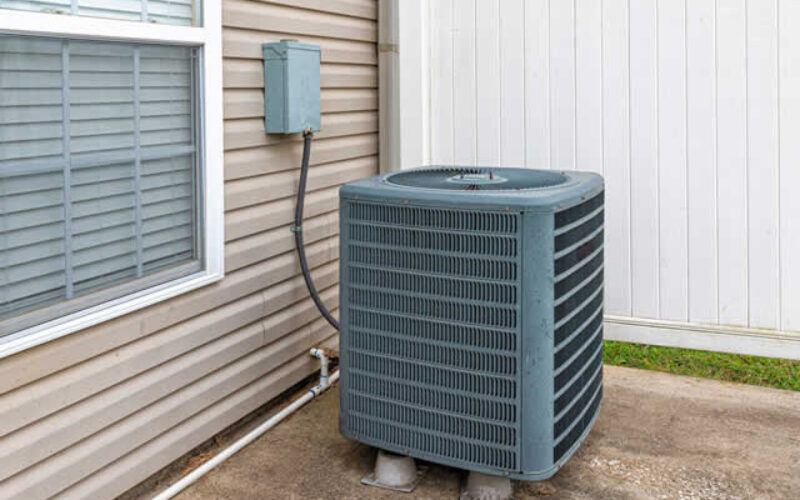
Conversely, dirt on the condenser coil might lessen its heat-expelling capacity, which would cause overheating and too much wear. Regular cleaning of the coils is a part of a thorough maintenance schedule.
Using specialist cleaning chemicals or a professional service guarantees the coils are correctly maintained, therefore encouraging maximum heat exchange and preventing system failure.
Checking and Sealing Ductwork
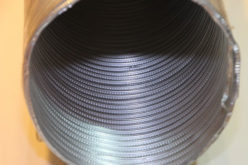
Leaky or damaged ducts can cause significant energy loss and lower the HVAC system’s performance. Inappropriate sealing of ducts causes air to escape, therefore resulting in unequal heating and cooling over the space.
The HVAC system must thus work harder to keep the intended temperature, which can raise energy consumption and hasten equipment wear-through. An integral component of HVAC maintenance is ductwork leak or damage inspection.
Properly sealed ducts guarantee that the system runs at maximum efficiency and that conditioned air is delivered where most needed.
Inspecting the Thermostat
The HVAC system’s control center is the thermostat. Hence malfunction of this component can compromise the whole system. Inconsistent temperatures resulting from an incorrect thermostat can cause the system to overheat or run longer than required.
To guarantee the thermostat is giving accurate readings, regular examination and thermostat calibration are vital. Sometimes, switching to a programmable or smart thermostat will provide more control over the heating and cooling cycles, enabling energy savings by varying the temperature depending on occupancy or time of day.
Maintaining comfort and lowering energy usage depend on the thermostat operating as it should.
Inspecting and Cleaning the Drains
A drainage system is usually included in most HVAC systems to eliminate extra moisture that could develop during the cooling cycle. Algae, dirt, or trash can clog the drain lines over time and cause water damage or mold development.
One of the key maintenance chores is making sure the drain lines are free and operating as they should. A clogged drain can cause water to back up into the system, therefore causing possible damage or, perhaps, total system shutdown.
Regular drain line cleaning helps to avoid such problems, so maintaining the system’s effective operation and reducing water-related damage.

What Does HVAC Mean? Why HVAC is a Vital Component for Your Home
Understanding a home HVAC (Heating, Ventilation, and Air Conditioning) system is essential for ensuring comfort, energy efficiency, and proper indoor air quality in your living space.

Professional Inspections and Tune-Ups
While homeowners can undertake basic HVAC maintenance, having a professional HVAC expert perform annual inspections and tune-ups is essential. Professionals have the knowledge and tools to thoroughly inspect and maintain the system, detecting any potential issues that cannot be immediately evident.
Consulting a professional HVAC maintenance service provider that will perform a full system check, which includes checking refrigerant levels, looking for leaks, calibrating the thermostat, testing electrical components, and more.
Having a professional expert do these chores guarantees that the system is functioning properly and helps to avoid costly repairs or failures in the road.
Conclusion
Maintaining a system’s efficiency and functioning condition depends on regular HVAC maintenance. Extending the lifetime of the system depends much on time spent changing air filters, cleaning coils, checking ducting, and maintaining the thermostat.
Regular HVAC maintenance will help households and companies to have a comfortable interior atmosphere, increase energy economy, and prevent expensive problems. A well-maintaining HVAC system guarantees that the house or business is comfortable all year long and runs at its optimum, thereby saving money and supporting better surroundings.
some other analysis of interest: (new win)
Hydroponic Garden – An Illustration of How to Backyard Paradise
Find HVAC Services Air Conditioning Central Heating Ducts & Vents Insulation Thermostats Water Heaters top-rated, pre-screened local contractors FREE: download contractor selection enter zip code – powered by HomeAdvisor ™


Image credit: HVAC maintenance 101 by envato.com
end of post … please share it!
| more photo remodeling |
Jump Over to Our Photo Analysis Center for Ideas on
"Renovating Home"
|__________________________________________________________|
home remodeling surprise
find out where it might go - new win


Helpful article? Leave us a quick comment below.
And please share this article within your social networks.