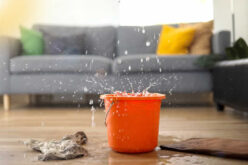
By learning how to identify potential risks, prevent leaks, and address issues effectively, you can safeguard your home, reduce unnecessary expenses, and maintain a reliable plumbing system.
This article provides practical, actionable insights to help minimize the risks associated with plumbing leaks and ensure a durable and efficient drainage system.
Aging Pipes
Over time, pipes naturally deteriorate due to wear and tear. Materials like galvanized steel and copper can corrode and weaken after years of carrying water. This corrosion is often subtle and unnoticed until leaks develop. Inspecting pipes regularly and looking for signs of discoloration, buildup, or flaking can aid in early identification.
Replacing old, corroded pipes with durable modern materials like PVC or PEX can prevent recurring leaks. Proactively updating the plumbing system, especially in older homes, limits the risk of ongoing issues caused by deterioration.

High Water Pressure
Excessive water pressure might feel satisfying when showering but can strain pipes and fixtures. Over time, the added pressure can cause weakened areas in pipes to burst or leak. High water pressure also speeds up the wear on seals and joints, increasing the risk of leaks in vulnerable areas.

A pressure regulator can help maintain manageable water pressure throughout the home’s plumbing system. By keeping pressure near recommended levels, pipes and fixtures experience less stress, reducing the likelihood of failure. Adjusting water pressure to avoid strain protects the entire drainage system from unnecessary damage.
Clogs and Blockages
Persistent clogs can create significant pressure within pipes, forcing water to escape through weak points. Blockages often result from flushing inappropriate items like wipes or grease down drains. Over time, buildup causes water to back up, leading to leaks in joints and fittings.
A consistent maintenance routine, including using strainers in sinks and avoiding improper disposal, helps prevent clogs from forming. Keeping drains clear reduces the stress on the plumbing system and avoids damage caused by trapped debris.
Faulty Seals or Connections
Seals and connections where pipes meet fixtures or appliances are common sources of leaks. These rubber or silicone seals break down over time due to exposure to water, detergents, or changing temperatures. Loose connections or worn-out seals can result in dripping water, even when pipes and fixtures themselves are intact.
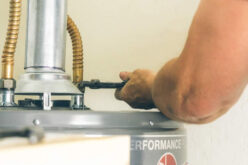
Regular checks of joint connections and seals are essential. Tightening loose fittings and replacing worn seals promptly prevents water from seeping out of these areas and causing leaks. Proper installation and maintenance of fittings extend the lifespan of the plumbing system.
Freezing Temperatures
When temperatures drop, standing water inside pipes can freeze and expand. This expansion creates immense pressure that may crack or rupture pipes. Once the ice thaws, the result is often a sudden and significant leak.
Frozen pipes are particularly common in unheated areas like basements, crawl spaces, or outdoor spigots.
Insulating exposed pipes with foam or heat tape is an effective measure to prevent freezing.
Draining outdoor faucets and allowing indoor taps to drip during extreme cold helps keep water flowing and reduces the risk of frozen pipes. Taking proactive steps before winter helps protect pipes from damage.
Improper Installation
Even new plumbing can malfunction if installed incorrectly. Poorly joined pipes, incorrect slope in drain lines, or mismatched materials can lead to leaks shortly after installation. Errors made during appliance hookups also introduce weak points in the system.
Ensuring installations are done by experienced professionals minimizes the risk of mistakes. For homeowners working on DIY plumbing, consulting reliable guides and taking time to confirm the accuracy of each step helps achieve proper and leak-free installation. Quality workmanship is key to avoiding preventable issues.

The Importance of Clean Home Drinking Water and How to Maintain It.
Access to clean home drinking water is a fundamental necessity for maintaining health and well-being. Contaminated water can lead to severe health risks, including waterborne diseases and long-term toxic exposure.
Wear and Tear on Fixtures
Fixtures like faucets, showerheads, or water heaters can wear out from daily use. Over time, components within these fixtures—such as washers, o-rings, and valves—weakens. Minor drips that are ignored can become full-fledged leaks, causing higher water bills and potential structural damage.
Inspecting fixtures periodically and replacing damaged parts ensures smooth operation. Often, these repairs are straightforward yet highly effective in preventing leaks. Addressing problems early saves money and effort compared to dealing with more extensive damage later on.
Consulting a Plumbing Professional
Despite the best efforts, some leaks require professional insight to resolve. Underground leaks, hidden pipe damage, or complex clogs often go beyond the scope of basic home maintenance. Water leak repair professionals have advanced tools like cameras and leak detectors to pinpoint issues accurately.
Consulting a plumber ensures leaks are addressed thoroughly and prevents recurrence by tackling the root cause. Regular maintenance visits are also valuable for identifying potential problems before they escalate. Seeking professional guidance protects the plumbing system’s efficiency and reliability over time.
other related analysis of interest: (new win)
Crafting Inviting Outdoor Retreats With Beautiful Hardscaping Features
Conclusion
In summary, maintaining a well-functioning plumbing system requires a clear understanding of common leak causes, proactive preventive measures, and the strategic use of professional services when necessary. By performing routine maintenance, addressing minor issues promptly, and investing in timely upgrades, homeowners can extend the lifespan of their plumbing and avoid expensive repairs in the future.
Consulting a qualified plumber for complex issues or regular inspections ensures long-term reliability and efficiency, safeguarding the home’s overall infrastructure.
Find Plumbing Services Plumbing Issues Drain Clearing Septic/Sewers Water Heaters Pumps Water Softening top-rated, pre-screened local contractors FREE: download contractor selection enter zip code – powered by HomeAdvisor ™


Image credit: why plumbing leaks happen by envato.com
end of post … please share it!
| more photo remodeling |
Jump Over to Our Photo Analysis Center for Ideas on
"Renovating Home"
|__________________________________________________________|
home remodeling surprise
find out where it might go - new win


Helpful article? Leave us a quick comment below.
And please share this article within your social networks.