In the contemporary landscape, characterized by escalating energy consumption and compelling environmental imperatives, the endeavor to identify methods for economizing on power expenses transcends mere financial advantage.
Rather, it assumes the role of a conscientious contribution to fostering a more ecologically sustainable trajectory. This compendium is expressly designed to furnish homeowners with pragmatic insights and strategies, facilitating a judicious curtailment of energy usage and, by extension, the attenuation of their power outlays.
- post content
- Energy-Efficient Home Appliances and Lightin
- Effective Heating and Cooling Strategies
- Efficient Water Heating Practices
- Harnessing Solar Energy
- Energy-Efficient Landscaping
- Behavioral Changes for Energy Savings
- conclusion
- side idea:Renovation Ideas for a Greener Home
- view key:collective notes
Energy-Efficient Home Appliances and Lighting
Making an investment in energy-efficient appliances carries substantial implications for long-term reductions in your power expenditures. Contemporary appliances like refrigerators, washing machines, and various domestic devices are meticulously crafted to operate with diminished energy consumption, all while upholding their operational effectiveness.
Moreover, the substitution of conventional incandescent bulbs with LED or CFL lighting alternatives presents a noteworthy avenue for curtailing your lighting-related expenditures. The integration of intelligent lighting systems, facilitating remote manipulation and scheduled activation, stands to further amplify your capacity for conserving energy.
Notably, the phenomenon of "vampire energy," characterized by persistent power draw even during device dormancy, can be mitigated through the use of power strips, effectively mitigating this superfluous resource depletion.

Effective Heating and Cooling Strategies
Maintaining an optimal indoor climate through heating and cooling constitutes a significant allocation of your energy expenditure. A proactive approach involves ensuring meticulous insulation and airtight sealing of your residence.
This strategic measure effectively curbs heat loss during colder months and retains cooler air during warmer periods. Complementing this, the integration of programmable thermostats emerges as a potent method for regulating energy consumption.
By customizing temperature presets aligned with your daily rhythms, these thermostats curtail energy usage when your domicile is unoccupied.
Furthermore, harnessing natural ventilation and adopting passive heating and cooling methodologies, including judicious window placement, serve to enhance your ability to sustain a pleasant indoor environment while simultaneously diminishing dependence on HVAC systems.
Efficient Water Heating Practices
Hot water heating constitutes a substantial portion of your electricity expenses. Expenses can be mitigated through the calibration of your water heater’s temperature controls.
For the majority of households, maintaining a temperature of 120°F (49°C) proves suitable for maintaining comfortable hot water conditions while concurrently optimizing energy consumption. Enhancing heat retention and reducing energy demand can be accomplished by adequately insulating your water heater and its corresponding pipes.
Furthermore, the installation of water-conserving fixtures, such as low-flow showerheads and faucets, offers a dual advantage of diminishing water consumption and curbing the energy prerequisites for heating water.
Harnessing Solar Energy
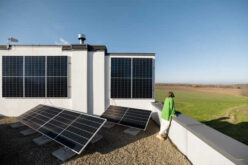
Utilizing solar energy presents a sustainable and economically viable avenue for mitigating power expenses. Integrating energy management software into your solar energy system enhances the efficiency and control of your energy production and consumption.
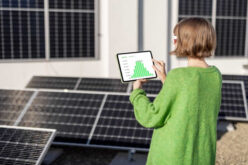
This advanced technology enables real-time monitoring of your solar panels’ performance, allowing you to track the energy generated and consumed. Through the installation of solar panels on your premises, the conversion of solar irradiance into electricity can effectively counterbalance your reliance on the conventional energy grid.
Net metering introduces an opportunity to channel surplus energy back to the grid, thereby affording the potential to accrue billing credits. In conjunction with this methodology, solar water heating systems utilize solar thermal energy to increase the temperature of your water provision.
While initial capital outlay might be a consideration, the enduring economies and the favorable ecological footprint associated with solar technologies render them a prudent and valuable investment.
Energy-Efficient Landscaping
Your outdoor area also holds the potential to enhance energy efficiency. Thoughtfully situating trees around your residence offers a natural shading solution during the warmer months, consequently diminishing the necessity for excessive air conditioning.
Trees or shrubs strategically positioned to create windbreaks can effectively shield your home from harsh winter winds, thereby enhancing overall heating efficiency. Embracing xeriscaping, which involves the utilization of drought-resistant plants, serves to curtail outdoor water consumption.
Moreover, the integration of outdoor solar lighting not only elevates your landscape aesthetics but concurrently diminishes the demand for energy-intensive outdoor lighting sources.
Behavioral Changes for Energy Savings
Foster a culture of energy consciousness among your household members, prompting them to embrace habits like switching off lights upon exiting a room, disconnecting chargers when not in use, and employing appliances thoughtfully.
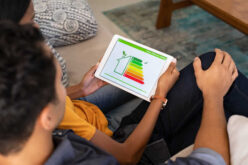
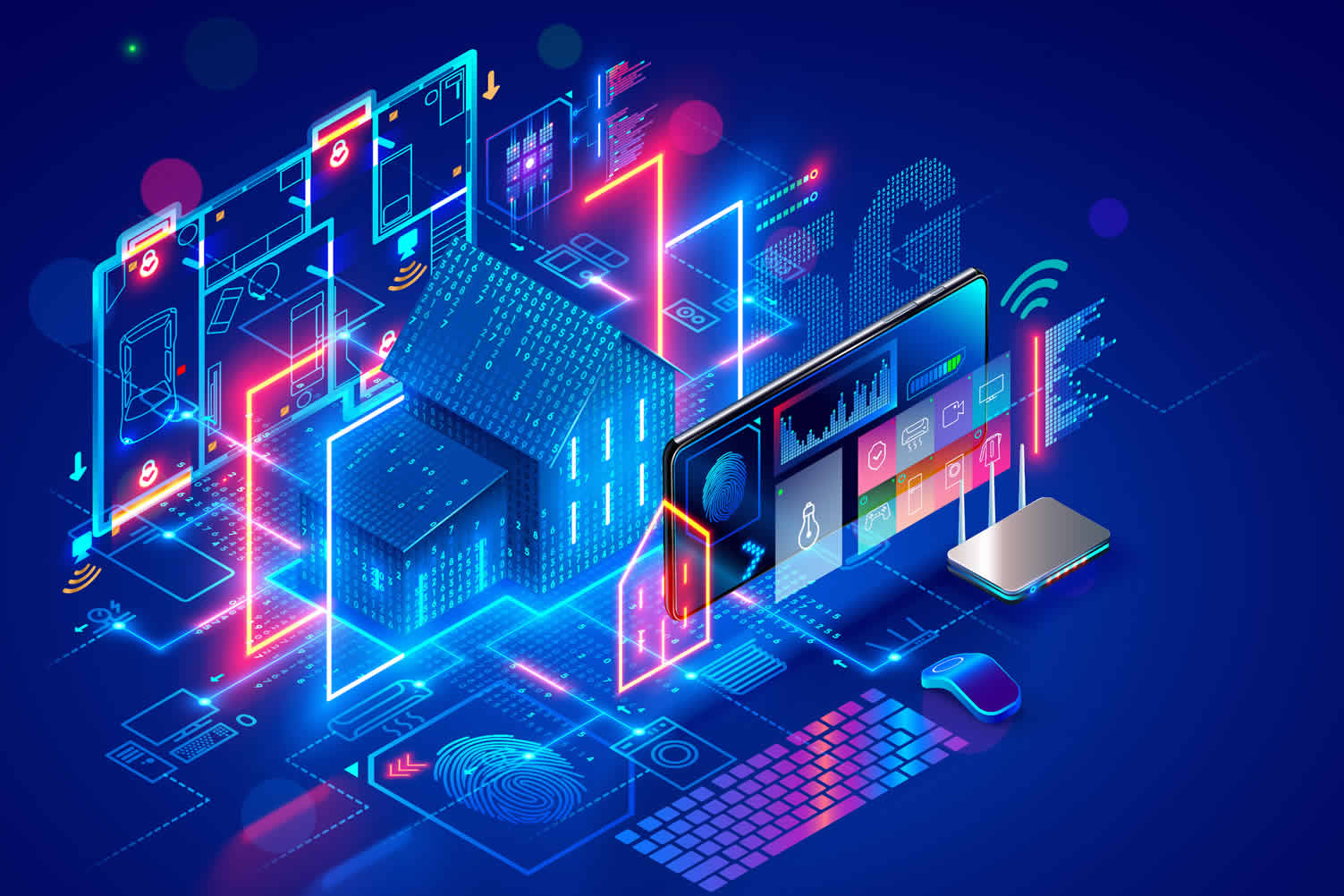
The establishment of cues or the establishment of habitual patterns to promote energy-saving practices can effectively reinforce these behaviors. Moreover, the integration of intelligent domestic technologies can play a role in overseeing your energy utilization, furnishing immediate data insights, and nurturing a sense of responsibility in adhering to energy-efficient practices.
other related articles of interest:
How to Save on Winter Utility Bills
Minor Home Upgrades and Repairs That Can Lower Your Utility Bills
Conclusion
Incorporating these strategies into your routine can significantly cut your power expenses. Whether upgrading appliances, adopting solar energy, or practicing energy efficiency, each step curbs costs and lessens your environmental imprint.
By understanding your energy use and making intentional choices, you not only gain financial benefits but also contribute to a greener future for yourself and the generations ahead.
Find Energy Efficient Services Insulation Windows-Insulation Ducts & Vents Thermostats Solar Installation Skylights Home Automation Generators Home Automation Electrial Wiring Networks/Phone Computers/ Media Home Security Alarms top-rated, pre-screened local contractors FREE: download contractor selection enter zip code – powered by HomeAdvisor ™


Image credit: how homeowners can save on their power bill by envato.com
end of post … please share it!
| more photo remodeling |
Jump Over to Our Photo Analysis Center for Ideas on
"Renovating Home"
|__________________________________________________________|
home remodeling surprise
find out where it might go - new win


Helpful article? Leave us a quick comment below.
And please share this article within your social networks.