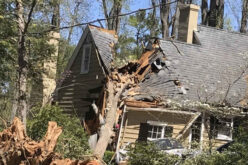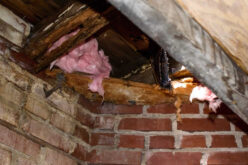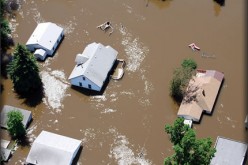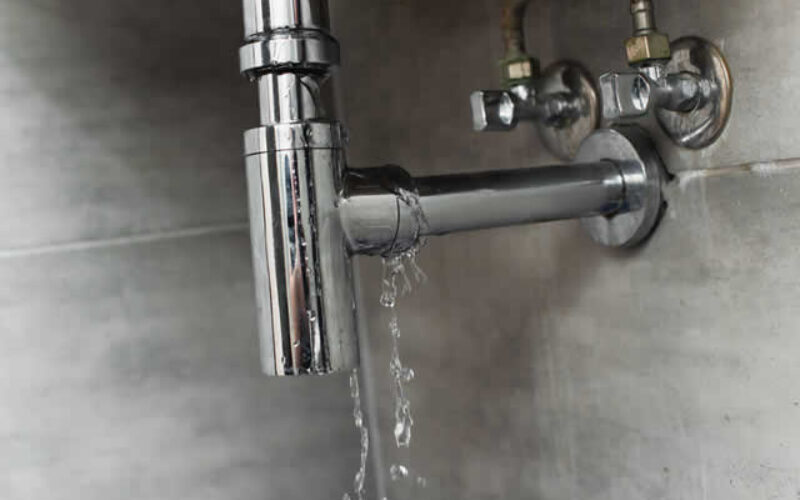
Water damage causes vary, including natural disasters, faulty appliances, plumbing emergencies, or structural issues like a cracked foundation. Understanding the origin of water damage is crucial for effective mitigation and future prevention.
- post content
- Immediate Actions to Take
- Water Damage and Your Health
- Working With Professionals
- The Insurance Aspect
- Protecting Valuables and Assets
- Water Damage and Property Value
- Technological Innovations in Water Damage Prevention
- Case Studies: Real-Life Examples
- side idea:Reduce Your Home’s Risk Of Water Damage
- view key:collective notes
Immediate Actions to Take When Water Damage Occurs
If you find signs of water damage, act fast! Turn off the main water supply to stop the flow. Remove excess water with a vacuum, mop, or towel. Then, fans and dehumidifiers will dry the area. Relocate unaffected belongings to a safe place.
Early intervention could reduce the restoration workload, and contacting a professional water damage restoration Kent service could significantly diminish the long-term consequences of water infiltration. Regular maintenance checks can prevent water damage.
Clear gutters, check for leaks, monitor water bills, reinforce vulnerable areas, and waterproof basement walls. Strategic landscaping can also help direct water away from your home.

Water Damage and Your Health: Why Swift Action is Critical
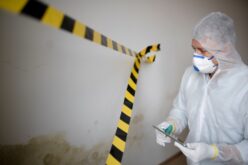
The health consequences of water damage can be as significant as the damage to your property. The presence of damp conditions can foster the growth of mold and other harmful organisms, which can lead to respiratory issues, particularly for those with asthma or allergies.
Exposure to such environments can also exacerbate skin conditions or provoke immune responses. According to the Centers for Disease Control and Prevention (CDC), mold can begin to grow within 24 to 48 hours after water damage, emphasizing the urgency for prompt action.

Working With Professionals: When to Call for Help
Identifying the right moment to bring in a professional can be the key to effective water damage restoration. Professionals bring industrial-grade equipment and expertise, which is critical in addressing extensive water damage and mitigating mold growth.
Specialized services will also assist in salvaging items that may seem irreparable, and they are adept at identifying areas most at risk for continued problems. If the situation is manageable for a do-it-yourself approach, delays in calling the specialists can compound the damage and cost.
The Insurance Aspect: Navigating Claims and Coverage
Understanding your homeowner’s insurance policy details is essential when dealing with water damage. Some policies may cover the damage up to a point, while others may have specific exclusions.
Initiating a claim promptly, photographing the damage, and retaining receipts for any immediate repairs or interventions are critical for reimbursement. Keeping a home inventory before incidents can facilitate the claims process, ensuring you have a record of your belongings and their condition should water damage them.
Protecting Valuables and Assets: Practical Measures
Preemptive measures like using waterproof safes for essential documents, storing valuable items on higher levels, and keeping digital backups of critical files can circumvent the loss of valuable items due to water damage.
Additionally, creating a home inventory list and updating it regularly can streamline recovery after damage occurs. This proactive step assists in insurance claims and ensures you can retain a record of what was lost or damaged.
Water Damage and Property Value: What You Need to Know
Water damage can significantly diminish a property’s value, affecting its marketability and aesthetics. Quick and thorough remediation is crucial to mitigate these impacts. Rectifying the root causes and ensuring that all repairs are done professionally can help maintain the property’s value.
Home buyers are often wary of water-damaged properties due to potential hidden costs, making it even more vital to address issues effectively and maintain a history of the work performed on the home.

Technological Innovations in Water Damage Prevention and Response
The market now offers an array of innovative technology designed to monitor and alert homeowners of potential water damage risks. These include water leak detection systems that can be monitored via smartphone and sump pumps equipped with battery backups to continue functioning in case of a power outage.
Embracing these new technologies can add security, potentially preventing catastrophic water damage before it begins.
Case Studies: Real-Life Examples of Effective Water Damage Management
Examining real-life situations can be a great learning tool for understanding water damage mitigation. There are numerous accounts of homeowners who, after experiencing water damage, have taken steps to prevent similar future incidents.
From adhering to a disciplined maintenance routine to investing in preventive technologies and swift clean-up and repair following an incident, homebuyers can use these experiences to make informed decisions about their properties.
The Environmental Protection Agency (EPA) provides further strategies and experiences from past flooding events that can serve as educational material for homeowners.
Find Professional Services Abatement Services Junk Removal Site Preparation Recovery Services top-rated, pre-screened local contractors FREE: download contractor selection enter zip code – powered by HomeAdvisor ™


Image credit: mitigating water damage by envato.com
end of post … please share it!
|__________________________________________________________|
home remodeling surprise
find out where it might go - new win


Helpful article? Leave us a quick comment below.
And please share this article within your social networks.