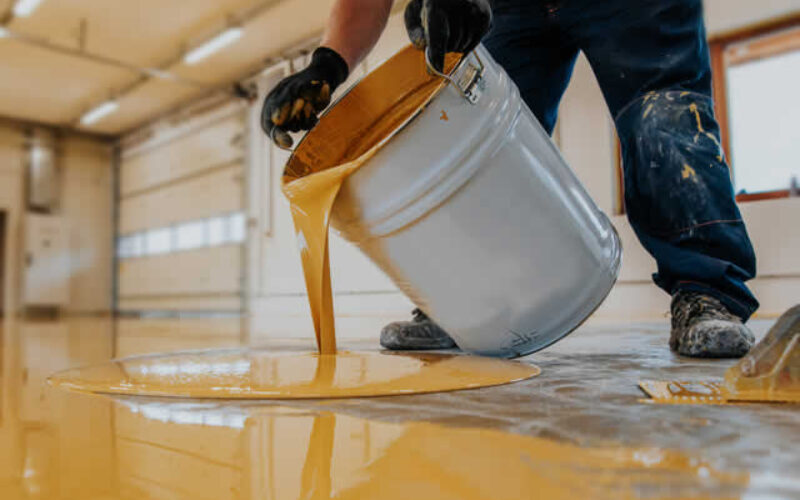
Practical applications of epoxy extend beyond floors to countertops and other surfaces, offering a durable and versatile solution for various needs. Its resilience to wear and tear, coupled with a sleek finish, makes it an ideal choice for both residential and commercial settings.
In this post, we will review everything you need to install an epoxy floor, including the necessary tools, preparation steps, and detailed instructions for a smooth and durable finish.
What Are Epoxy Floors?
Epoxy floors consist of multiple epoxy resins applied to a prepared surface. The base is typically concrete, though other materials can be used.
The result is a smooth, durable, and often visually stunning surface. Ideal for both commercial and residential settings, epoxy flooring offers a versatile solution for spaces requiring both beauty and strength.
If you are considering an epoxy solution, epoxy flooring in Cincinnati, Ohio, provides a range of customized options to meet your needs. Understanding the basics of epoxy floors, including what they are and how they work, can help you make an informed decision and visualize their transformative potential for your spaces.


Benefits of Epoxy Flooring
The longevity of epoxy flooring is among its main advantages. These floors are resilient to various damages, such as abrasions, stains, and chipping, and can tolerate intense traffic.
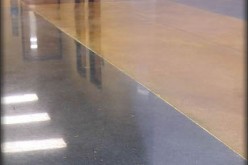
Epoxy flooring is a fantastic choice for hospitals and commercial kitchens where hygienic conditions are essential because they are incredibly durable and straightforward to clean and maintain. Because of their seamless finish, there’s no opportunity for dirt and bacteria to hide.
This means that a quick sweep and mop are usually all needed to keep the floor pristine. Further elevating their appeal, epoxy floors can be installed over existing concrete, making them an efficient and cost-effective option for renovating old floors.
Customization Options
With epoxy floors, the possibilities for personalization are limitless. Various colors, patterns, and finishes are available to fit your style. From metallic to terrazzo styles, the possibilities are as diverse as your imagination.
Decorative chips, for example, can be added to the epoxy for a speckled appearance, giving the floor a granite or terrazzo-like texture. Tailoring the look to specific needs and tastes allows homeowners, business owners, and designers to achieve a unique visual statement.
With a range of sheens available—from matte to high-gloss finishes—epoxy floors can be adapted to fit the atmosphere of any room or space. You can personalize the look, and epoxy can also be tailored to meet specific functional needs, such as non-slip surfaces or chemical-resistant coatings in industrial applications.
Practical Uses of Epoxy
Epoxy is not just for floors. It can be used on countertops, walls, and other surfaces to create a cohesive and seamless look in your space.
For example, an epoxy countertop can give your kitchen a sense of style and toughness. Countertops treated with epoxy are resistant to stains and heat, making them beautiful and practical.
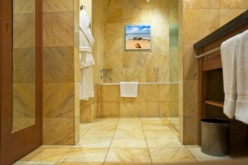
The waterproof nature of epoxy also makes it a prime candidate for bathroom vanities and walls, helping to prevent moisture damage while offering a sleek, modern appearance.
Moreover, epoxy coatings can be applied in garages, basements, and warehouses for increased durability and easy maintenance. If you require professional epoxy solutions, examine the many options from specialist service providers. They can assist you in choosing and implementing the ideal epoxy application for your requirements.
Installation Tips
Ensuring the lifespan and aesthetic appeal of your epoxy surfaces requires careful installation. It is recommended that professionals who have experience with epoxy installations be hired.
The surface must be prepped correctly, including cleaning and repairing any damage before applying the epoxy layers.
The first step usually involves grinding the concrete to remove any existing coatings, dirt, or grease and then repairing any cracks or imperfections.
After the surface is ready, layers of epoxy are added to get the required thickness and finish, and a primer is placed to aid in adherence.
Maintenance Best Practices
Maintaining your epoxy surfaces is straightforward but essential for prolonging their life. Generally, regular cleaning with a light soap and water is adequate. Steer clear of harsh chemicals since they may gradually erode the epoxy.
Establish a routine cleaning schedule for the best results and to keep your floor in optimal condition. In high-traffic areas, consider applying a new coat of epoxy every few years to keep the surface looking fresh and durable.
Additionally, placing pads under furniture can prevent scratches, and using walk-off mats in entry areas can reduce wear and tear. Regular maintenance keeps your epoxy surfaces looking like new.
For anyone wishing to maintain their areas’ aesthetic appeal and practicality, it is an investment well worth making because it prolongs their lifespan and functionality.
Find Flooring Services (opens new win) Brick & Stone Concrete Carpet Hardwood top-rated, pre-screened local contractors Laminate & Vinyl Tile enter zip code – powered by HomeAdvisor ™

Image credit: customized epoxy solutions by envato.com
end of post … please share it!
| more photo remodeling |
Jump Over to Our Photo Analysis Center for Ideas on
"Renovating Home"
|__________________________________________________________|
home remodeling surprise
find out where it might go - new win


Helpful article? Leave us a quick comment below.
And please share this article within your social networks.