This process involves thorough planning and execution, from understanding zoning laws and permits to the final touches that make the new space your own. Each step along the way requires careful consideration to ensure that the project aligns with both your vision and practical needs.
Whether you’re adding a sunroom for leisurely afternoons or expanding your kitchen to host larger gatherings, a successful home addition can transform your living experience, offering enhanced comfort and functionality.
Understanding Zoning Laws and Permits
Before you break ground on your home addition, it’s critical to understand your local zoning laws and secure the necessary permits. These regulations determine what can be built and where, ensuring that your project complies with local standards for safety, design, and land use.
Without the proper permits, you could face fines, be forced to undo your work, or encounter issues when trying to sell your home. Securing permits may seem like a bureaucratic hurdle, but it’s a vital step that safeguards your addition’s legality and future.


Designing Your Space
Designing your home addition requires both creativity and careful planning. This stage is where you visualize your goals for the space, considering how it will blend with your existing home’s layout and aesthetics.
Whether you’re adding a sunroom, an extra bedroom, or expanding your kitchen, think about the purpose of the addition and how it will enhance your living experience. Reflect on the flow between old and new spaces, lighting, and storage needs. Getting the design right sets a solid foundation for the entire project.
Budgeting and Materials
Budgeting for your home addition is about more than just tallying up material costs. It involves understanding all expenses, including permits, labor time, building materials, and those unavoidable surprise costs.
Materials selection is equally important, as quality varies greatly and can impact both the appearance and durability of your addition. Researching and comparing options allows you to make informed decisions that align with both your budget and your vision for the space.
Remember to include a contingency fund in your budget for those unforeseen issues that inevitably arise in any construction project.
Hiring Contractors
Even if you’re planning a DIY home addition, there may be aspects of the project that require professional help, such as electrical work, plumbing, or complex structural modifications. Hiring the right contractors for the systems you’re unfamiliar with can make a significant difference in the quality and efficiency of your project.
Licensed professionals with experience in home additions can offer valuable advice and ensure that your project meets the idea you started with. Be sure to take the time to thoroughly research and interview potential contractors before making a decision.
Clear communication about your expectations, timeline, and budget is key to maintaining a good relationship with your contractors and ensuring the success of your project.
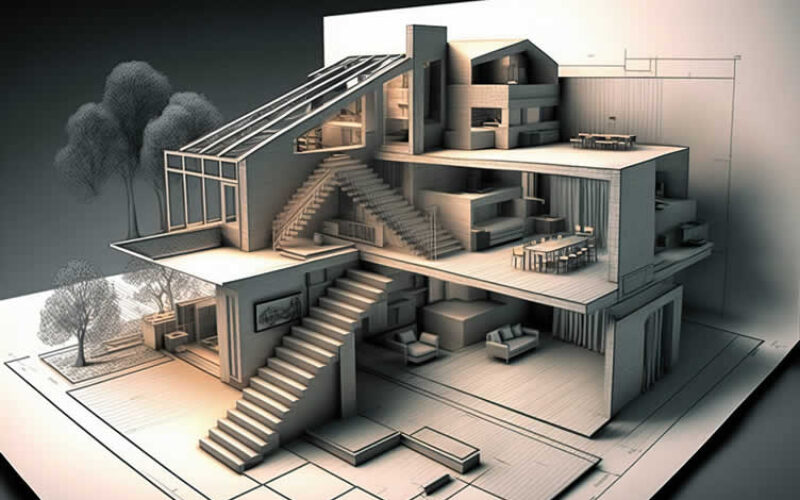
Before you start any home construction – such as building a new home, building a new section onto an existing home, and other major construction project, run some financial numbers to determine whether the construction is a smart investment.
The numbers include the estimated costs, home value assessment, financing costs, and other related calculations.
Review these cost-related issues to home construction vs. buying a new home.
links to internal page (opens new win)
| analyze the numbers | |
| estimate the cost of your project | |
| start assembling a budget | |
| get your home value |
The 2nd step for planning your home construction is deciding what you would like to do.
Will it be a –
- designing ideas for your kitchen and bathroom,
- converting the attic or basement into livable spaces,
- adding an addition or extension to an existing home,
- adding a deck or patio and link it to an all-season room,
- planning the construction with new windows, doors and flooring,
- designing the landscape with innovative features,
- or something else.
You can find other home construction (remodeling) ideas by referencing our home renovation analysis and topic directories (opens new win)
| view remodeling design "ideas" directory | |
| view latest "topics" for home renovation | |
Step 3 is sketching your ideas on paper (or digitally) and developing the spec plan.
The spec plan determines what type of home construction materials, items, and design considerations that will be needed. It will also contain the product specifications for each constructive element.
You will use the spec plan and architectural design to bid the project out to a contractor.
links to internal page (opens new win)
| developing the spec plan | |
| sketch remodeling plan | |
| design considerations |
Step 4 is finding and negotiating the contract with a home construction contractor.
Give your home construction ideas and specs to a contractor for review and bid analysis. Use the local network (aligned with HomeAdvisor) to find the right contractor for your project.
Review guides for contractor selection and negotiation.
links to internal page (opens new win)
| search home construction contractors | |
| selecting your contractor checklist |
| contractor negotiations | |
| contractor evaluation form |
Step 5 is arranging financing once you selected the contractor and finalized the contract for your project.
Using the equity value in your existing home is one of the best financing option for home construction. Start with a home equity line of credit or use the bank equity program.
Other options may include home construction financing, personal savings, and/or financing from home construction contractors.
links to internal page (opens new win)
| financing options | |
| getting qualified for financing | |
| negotiate rates |
Step 6 is where the project begins.
It starts with setting up the work area, removing everything that needs to be replaced, installing electrical and network connections, putting in the final touches, etc.
It also means working with the contractor, managing the project, and getting the home construction project inspected before releasing any funds.
links to internal page (opens new win)
| working with the contractor | |
| managing construction project |
| about a home project inspections | |
| find home inspector |
Planning for Disruptions
Living through any home project can be challenging, as it often disrupts your daily routines and living conditions. Preparing for disruptions involves both practical and emotional readiness. You’ll want to set up temporary solutions for the functions your project affects, such as cooking or privacy arrangements if you’re working on a kitchen or bedroom.
Mentally prepare yourself and your family for the noise, dust, and general upheaval that comes with construction. Planning and patience go a long way in minimizing stress during this transformative period of your home’s evolution.
other related articles of interest:
Transforming Your Home for Golden Years: The Ultimate Guide to Aging in Place
Ensuring Excellence: The Ultimate Guide to Home Remodeling Inspections
A DIY home addition is no small feat, but with the right planning, resources, and mindset, it can be an incredibly rewarding venture. From understanding zoning laws and designing your space to budgeting, choosing materials, and navigating the challenges of living through construction, each step you take brings you closer to realizing your vision.
Remember, while the path may seem daunting at times, the payoff is a beautifully personalized space that enhances your home and your life. Stay patient, stay focused, and don’t hesitate to seek professional advice when needed.
Here’s to the successful expansion of your living space, where new memories will be made, and a sense of accomplishment will fill your renewed home.
Find Home Remodeling Services Additions Major Remodels Minor Remodels Disability Needs Plumbing Drain Clearing Appliances Electrical top-rated, pre-screened local contractors FREE: download contractor selection enter zip code – powered by HomeAdvisor ™


Image credit: DIY a home addition by envato.com
end of post … please share it!
|__________________________________________________________|
home remodeling surprise
find out where it might go - new win


Helpful article? Leave us a quick comment below.
And please share this article within your social networks.