Luckily, there are several upgrades you can make to your old home to boost its value, comfort, and style. In this post, we’ll explore eight upgrades you should consider making to your old home, whether it’s a simple fix or a complete renovation.
- post content
- Repair or Replace the Roof
- Replace Your Electrical System
- Upgrade Your HVAC System
- Incorporate Smart Home Technology
- Install New Windows
- Insulate Your Attic and Walls
- Refinish Your Floors
- Update Your Kitchen and Bathrooms
- conclusion
- side idea:Using IoT for Home Automation
- view key:collective notes
Repair or Replace the Roof
Your roof is one of the most critical components of your home’s structure and protection. If you notice leaks, missing shingles, or other roof issues, it’s essential to fix them promptly to prevent further damage.
In some cases, you may need to replace the entire roof, which can be costly but worth it in the long run. When replacing your roof, you want to preserve the character and charm of your old home while also ensuring it has modern features like proper insulation and ventilation.

A good way to achieve this is by using materials that mimic the look of traditional roofing, such as asphalt shingles or metal roofing with a vintage appearance. You can also incorporate architectural details, like dormer windows or decorative trim, to maintain the unique style of your old home.

Replace Your Electrical System
Old homes often have outdated electrical systems that can put your safety at risk and limit your energy usage. If you experience frequent tripped breakers, flickering lights, or outdated outlets, it’s time to upgrade your electrical system.
Consider hiring a licensed electrician to evaluate your wiring and install new outlets, circuits, and breakers as needed.
Upgrade Your HVAC System
If your heating and cooling system are outdated, inefficient, or noisy, it’s time to consider an upgrade. Installing a new HVAC system can improve your home’s comfort, air quality, and energy efficiency while reducing your carbon footprint and utility bills.
Look for units that are appropriate for the size and layout of your home and have features like programmable thermostats and air purification.
It’s important to choose a unit that is the right size for your home. A unit that is too small may struggle to keep up with the heating and cooling demands of your home, while a unit that is too big can lead to inefficient operation and higher energy bills.
To determine the appropriate size for your home, consult with an HVAC professional who can conduct a load calculation based on factors like square footage, insulation levels, and number of windows.
Incorporate Smart Home Technology
Finally, one of the most significant upgrades you can make to your old home is to incorporate smart home technology. From automated lighting to voice-controlled thermostats, smart home features can improve your daily life, energy efficiency, and home security.
Look for devices that are compatible with your existing technology and fit your lifestyle and preferences.

Install New Windows
Old windows can be drafty, inefficient, and ugly. Upgrading them to modern, energy-efficient ones adds value to your home, increases your comfort, and lowers your energy bills.
Look for windows that match the style and character of your home while offering modern features like low-E glass, insulation, and easy maintenance. When it comes to upgrading your windows, it’s important to do your research and find a reputable company or supplier, such as Tristate Roofing.
Look for reviews and recommendations from other homeowners who have recently installed new windows. You can also consult with a contractor or designer for their professional opinion on the best window options for your home.
Insulate Your Attic and Walls
Old homes often have poor insulation, which can lead to heat loss, energy waste, and high utility bills. Adding insulation to your walls and attic can improve your home’s energy efficiency, comfort, and value.
You can choose from a range of insulation types, such as spray foam, blown-in, or batts, depending on your budget and needs.
Refinish Your Floors
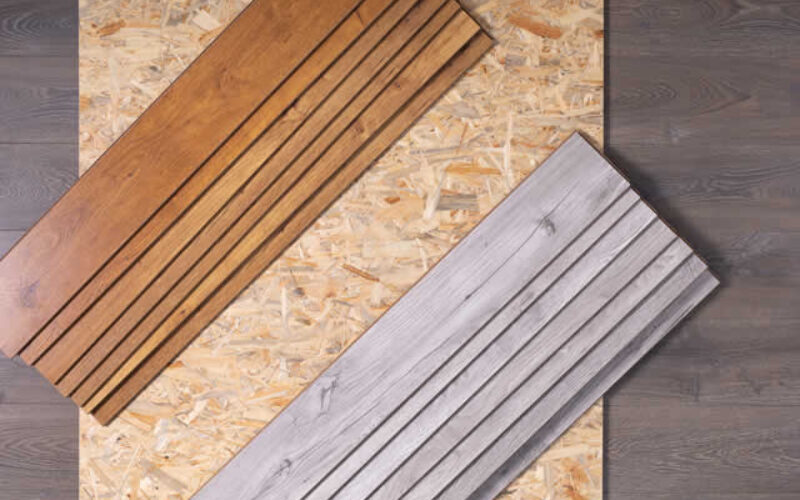
Old homes often have beautiful hardwood floors that can be hidden underneath carpets, linoleum, or layers of dirt and grime. Refinishing your floors can bring back their natural beauty, add value to your home, and enhance your interior design.
You can choose to sand, stain, and varnish your floors yourself or hire a professional to save time and ensure quality results.
When refinishing hardwood floors, it’s essential to avoid using products or methods that can damage them, such as steam cleaners, harsh chemicals, or abrasive materials. Additionally, avoid dragging heavy furniture across the floors and use protective pads on the legs of your furniture to prevent scratches.
Before you start any home remodeling – such as a kitchen or bathroom remodeling, adding an addition, building a new section onto the home, and other major renovation project, run some financial numbers to determine whether the renovation is a smart investment.
The numbers include the estimated costs, home value assessment, financing costs, and other related calculations.
Review these cost-related issues to remodeling vs. buying a new home.
links to internal page (opens new win)
| analyze the numbers | |
| estimate the cost of your project | |
| start assembling a budget | |
| get your home value |
The 2nd step for planning your home remodeling is deciding what you would like to do.
Will it be a –
- remodeling your kitchen or bathroom,
- converting the attic or basement,
- adding an addition or extension to the home,
- changing out your deck or patio into an all-season room,
- upgrading the home with new windows, doors and flooring,
- redesigning your landscape with new features,
- or something else.
You can find other home remodeling ideas by referencing our home renovation analysis and topic directories (opens new win)
| view remodeling design "ideas" directory | |
| view latest "topics" for home renovation | |
Step 3 is sketching your ideas on paper (or digitally) and developing the spec plan.
The spec plan determines what type of home remodeling materials, items, and design considerations that will be needed. It will also contain the product specifications for each renovation element.
You will use the spec plan and architectural design to bid the project out to a contractor.
links to internal page (opens new win)
| developing the spec plan | |
| sketch remodeling plan | |
| design considerations |
Step 4 is finding and negotiating the contract with a remodeling contractor.
Give your home remodeling ideas and specs to a contractor for review and bid analysis. Use the local network (aligned with HomeAdvisor) to find the right contractor for your project.
Review guides for contractor selection and negotiation.
links to internal page (opens new win)
| search remodeling contractors | |
| selecting your contractor checklist |
| contractor negotiations | |
| contractor evaluation form |
Step 5 is arranging financing once you selected the contractor and finalized the contract for your project.
Using the equity value in your home is one of the best financing option for home remodeling. Start with a home equity line of credit or use the bank equity program.
Other options may include cash-out refinancing, personal savings, and/or financing from home improvement contractors.
links to internal page (opens new win)
| financing options | |
| getting qualified for financing | |
| negotiate rates |
Step 6 is where the project begins.
It starts with setting up the work area, removing everything that needs to be replaced, installing electrical and network connections, putting in the final touches, etc.
It also means working with the contractor, managing the project, and getting the home remodeling project inspected before releasing any funds.
links to internal page (opens new win)
| working with the contractor | |
| managing remodeling project |
| about a home project inspections | |
| find home inspector |
Update Your Kitchen and Bathrooms
Your kitchen and bathrooms are the most used rooms in your home, and they’re also the most prone to wear and tear. Upgrading your appliances, fixtures, cabinets, and countertops can transform your space and make it more functional, efficient, and stylish. Look for materials that are durable, easy to clean, and match your home’s overall style.
When upgrading your kitchen and bathrooms, it’s important to avoid materials that can easily become damaged or stained. This includes porous materials like marble and granite, which can be susceptible to scratches, cracks, and stains. Instead, opt for non-porous options like quartz or solid surface countertops that are more durable and easier to maintain.
For flooring, avoid using wood in bathrooms as it can warp and swell with moisture. Instead, consider tile or vinyl flooring for a water-resistant option. Additionally, avoid carpet in both the kitchen and bathroom as it’s not only difficult to clean but also prone to mold and mildew growth.
other related articles of interest:
Conclusion
Upgrading an old home can be a challenging yet rewarding endeavor that can increase your home’s value, comfort, and style. By considering these eight upgrades, you can transform your old home into a modern, energy-efficient, and functional space that you can enjoy for years to come.
Don’t hesitate to consult with professionals, such as architects, contractors, or interior designers, to help you plan and execute your upgrades. With the right approach, you can enhance your old home’s character and charm while bringing it into the 21st century.
Find Handyman Services (opens new win) Handyman Carpentry Electrical Plumbing top-rated, pre-screened local contractors FREE: download contractor selection enter zip code – powered by HomeAdvisor ™


Image credit: upgrades you should consider by envato.com
end of post … please share it!
|__________________________________________________________|
home remodeling surprise
find out where it might go - new win


Helpful article? Leave us a quick comment below.
And please share this article within your social networks.