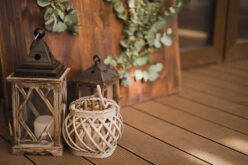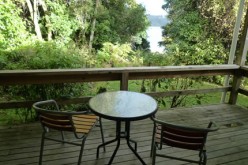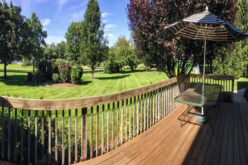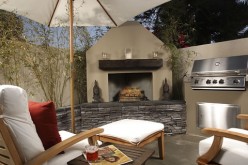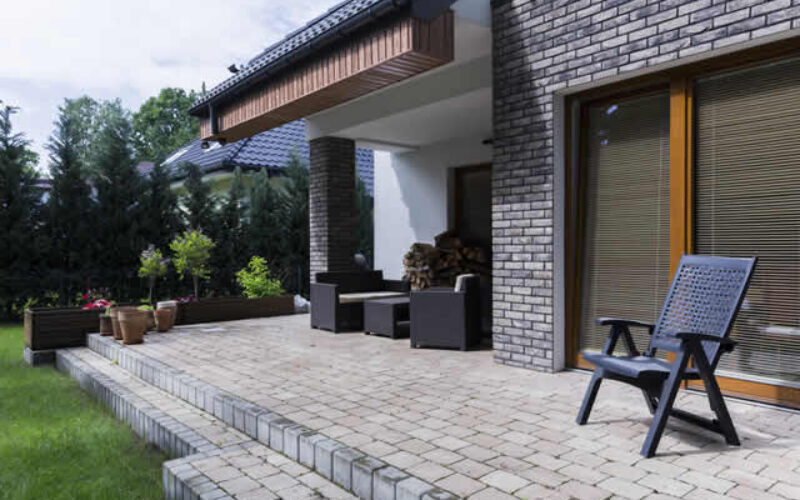
Whether you want a vibrant, colorful look or something more subtle and tranquil, there are plenty of ways to make your patio look amazing without breaking the bank.
With just a few touches here and there – plus some creative thinking – you can turn any ordinary outdoor space into an extraordinary retreat!
The Material Matters
Choosing the right materials for your patio is essential. Natural stone, such as flagstone or bluestone, looks great and can withstand foot traffic and harsh weather conditions.
Brick or concrete patios are also durable options that can be customized with paint or staining, while outdoor floor tiles are a great way to add color and texture.
For traditional wooden decks, pressure-treated lumber will last longer, or you can opt for composite decking materials made from recycled wood fibers and plastic.
Additionally, area rugs are a great way to define zones and dress up your patio. Choose a patterned rug with bright colors that will complement the natural surroundings.
If your patio is exposed to sun and rain, look for outdoor rugs made from synthetic materials like polypropylene or nylon, which are more durable than traditional indoor-outdoor rugs.

Before you start any yard n’ garden landscaping – such as a swimming pool, patio kitchen, and other backyard landscaping, run some financial numbers to determine whether the landscaping is a smart investment.
The numbers include the estimated costs, home value assessment, financing costs, and other related calculations.
Review these cost-related issues to remodeling vs. buying a new home.
links to internal page (opens new win)
| analyze the numbers | |
| estimate the cost of your project | |
| get your home value |
The 2nd step for planning your landscaping is deciding what you would like to do.
Will it be a –
- installing a swimming pool,
- building a play area with courts, playground, and other,
- redo your landscaping,
- build a deck or patio,
- install an outdoor kitchen and bar,
- start your own farm,
- or something else.
Start collecting ideas by referencing our collection of landscaping analysis: view directory
Step 3 is sketching your ideas on paper (or digitally) and developing the spec plan.
The spec plan determines what type of yard n’ garden equipment and design considerations that will be needed. It will also contain the product specifications for each landscape element.
You will use the spec plan and architectural design to bid the project out to a contractor.
links to internal page (opens new win)
| developing the spec plan | |
| sketch remodeling plan | |
| design considerations |
Step 4 is finding and negotiating the contract with a landscape contractor.
Give your landscaping ideas and specs to a contractor for review and bid analysis. Use the local network (aligned with HomeAdvisor) to find the right contractor for your project.
Review guides for contractor selection and negotiation.
links to internal page (opens new win)
| search yard n’ garden contractors | |
| selecting your contractor checklist |
| contractor negotiations | |
| contractor evaluation form |
Step 5 is arranging financing once you selected the contractor and finalized the contract for your project.
Using the equity value in your home is one of the best financing option for landscaping. Start with a home equity line of credit or use the bank equity program.
Other options may include cash-out refinancing, personal savings, and/or financing from home improvement contractors.
links to internal page (opens new win)
| financing options | |
| getting qualified for financing | |
| negotiate rates |
Step 6 is where the project begins.
It starts with setting up the work area, removing everything that needs to be replaced, installing electrical and network connections, putting in the final touches, etc.
It also means working with the contractor, managing the project, and getting the landscape project inspected before releasing any funds.
links to internal page (opens new win)
| working with the contractor | |
| managing remodeling project |
| about a home project inspections | |
| find home inspector |
Bring the Color
Nothing instantly changes the look of an outdoor space like color. Whether you opt for bright, vibrant hues or more muted tones, choose colors that blend with your existing patio furniture and will stand up against sun and rain.
For furniture, wicker is a great choice because it comes in a variety of colors – plus it’s lightweight and easy to move around. If you have metal furniture, consider painting or staining it a different color, or adding colorful outdoor cushions for another layer of comfy texture.
You can also add a pop of color with potted plants and flowers. Choose plants that are drought-tolerant and suited to your climate, and don’t be afraid to experiment – you can create a stunning effect by combining different varieties of foliage.
Light It Up
Outdoor lighting is a must-have when it comes to patio decorating. String lights create an inviting ambiance and can be hung from pergolas or patio covers; alternatively, you can opt for solar-powered lights that are easy to install and won’t add to your electricity bill. If you have a smaller space, consider using candles or LED lights for a subtle, romantic effect.
Of course, you don’t want to forget about overhead lighting. If you have a covered patio, consider adding ceiling fans with lights, or wall sconces that will provide plenty of illumination for outdoor dining and entertaining.
Focal Point Is Key
Every patio should have a focal point – something that instantly draws the eye and adds visual interest. A fire pit, water feature, or decorative sculpture are all great options.
If you don’t want to commit to any of these, consider adding a few planters with trailing plants or climbing vines. This will add height and texture to the space, and you can easily change it up with each season.
On the other hand, the tiles or stones you use for the patio itself can also be used to create interesting designs. A simple pattern of alternating light and dark tiles, for instance, will add depth and texture to your outdoor space without overwhelming it.

Accessorize
Accessorizing your patio is the fun part – it’s where you can let your creativity shine. Wind chimes, metal sculptures, or even a hammock can add a touch of whimsy to your outdoor oasis.
If you have limited space, consider hanging planters or wall art to create an eye-catching focal point. Consider also adding some cozy seating – hanging chairs or cushioned benches are perfect for lounging on a summer day.
Finally, creating small “vignettes” with seating, plants and accessories will help you define individual spaces within your larger patio area. For example, a seating area with an outdoor fireplace can be a cozy spot to cuddle up and watch the stars on cool nights; or you can designate a space for outdoor dining with a small table and chairs.
other related articles of interest:
Concluding Remarks
As you can see, decorating your patio for the summer doesn’t have to be a daunting task. With these simple tips, you can easily transform your outdoor space into an inviting oasis that will make it ideal for entertaining or simply enjoying some peace.
From adding color with bright area rugs and plants to introducing lighting elements and focal points – there are plenty of ways to customize your patio this season. Don’t forget about accessorizing; small touches like wind chimes or wall art can bring the whole look together!
Find Decks n’ Patio Services Decks Patio Fences Landscape Design top-rated, pre-screened local contractors FREE: download contractor selection enter zip code – powered by HomeAdvisor ™


Image credit: decorating your patio for the summer by envato.com
end of post … please share it!
| more photo remodeling |
Jump Over to Our Photo Analysis Center for Ideas on
"Renovating Home"
|__________________________________________________________|
home remodeling surprise
find out where it might go - new win


Helpful article? Leave us a quick comment below.
And please share this article within your social networks.