Conversely, sandy soil exhibits excellent drainage capabilities but may need more stability to support a heavy structure with proper compaction. Homes built on loose sandy soils may experience settling as the soil compacts over time under the weight of the house.
Understanding whether your home sits on clay, silt, sand, or a combination can help plan appropriate foundation maintenance strategies.
In regions like Dallas, the prevalence of expansive soils makes it crucial for homeowners to consider professional services for foundation repair Dallas to ensure the long-term stability of their homes.
How Soil Affects Foundations
The relationship between soil movement and moisture content is crucial in maintaining the health of a foundation. Expansive clay soils, which are common in many regions, have the potential to cause significant problems due to their expansion when wet and contraction when dry.
This movement can lead to foundation shifts, cracking, and other structural issues. Imagine your home’s foundation moving incrementally with each rainfall or drought—this can lead to severe structural damage over time.
Inadequate drainage near a house worsens these problems by permitting water to collect close to the base, leading to potential infiltration and weakening of the building. Waterlogged soil loses its load-bearing capacity, putting added stress on the foundation.
In contrast, overly dry soil can cause shrinking and settling, leading to uneven pressure on the foundation. Therefore, it is essential to balance soil moisture content carefully.
Implementing proper drainage solutions such as French drains, gutters, and downspout extensions and regularly checking the soil condition can go a long way in preserving the foundation’s integrity.

Common Soil Problems
- Expansive Clays:
These soils are problematic due to their propensity to expand and contract with changes in moisture. This expansion and contraction cycle can lead to significant foundation movement, resulting in cracks and structural instability.Homes built on expansive clays often face issues like doors and windows sticking or gaps forming in walls and around windowsills.
- Poor Drainage:
Excessive water retention around the foundation can harm stability. Inadequate drainage may result in water pooling near the foundation, resulting in a compromised structure and possible water harm.Waterlogged soil creates a hydrostatic pressure that can push against basement walls or foundations, causing shifts and cracks.
- Erosion:
Soil erosion may result from natural processes or inadequate landscaping techniques. It undermines the foundation, causing uneven settling and structural issues over time.Heavy rains often cause soil erosion, leaving gaps and voids under the foundation that can lead to sudden and severe settling.
Homeowners need to be aware of these common soil problems to take proactive measures and prevent potential foundation damage. Proactively dealing with these issues can involve landscaping measures to divert water from the foundation and structural strategies to reinforce and anchor the foundation.

Monitoring and Prevention
To mitigate soil-related foundation issues, it’s crucial to maintain consistent moisture levels around your home. Installing a reliable drainage system helps divert water from the foundation, avoiding pooling that could compromise the structural integrity.
Systems such as gutters, French drains, and correct grading can ensure water moves away from the house. Regular soil watering around the foundation during dry periods can help maintain moisture levels and prevent soil from shrinking excessively.
Aim for a balance; too much water can be as harmful as too little. Use soaker hoses to provide consistent moisture, but avoid over-watering.
Barrier methods, such as installing barriers to prevent tree roots from disturbing the foundation and employing proper landscaping practices, can help direct water flow away from the foundation.
Regular inspections, ideally conducted by professionals, can help identify early signs of foundation damage, such as small cracks or uneven floors, allowing for timely interventions that can save on costly repairs.
Real-Life Case Study
Consider the case of a homeowner in Texas who faced significant foundation issues due to the expansive nature of clay soil surrounding their home. The constant changes in soil moisture levels led to visible cracks and structural instability.
This issue began subtly, with small cracks in the drywall and slight shifts in door frames, but it eventually escalated to more pronounced structural concerns. To address these problems, the homeowner implemented a robust drainage system that redirected water away from the foundation. Installing French drains and grading the landscape to slope away from the house were key measures.
Additionally, they monitored soil moisture levels to maintain balance, significantly reducing foundation movement. Moisture barriers and soaker hoses provided the necessary balance, preventing the soil from getting too dry or too wet.
This proactive approach stabilized their home and prevented further damage. Such real-life examples highlight the importance of understanding soil conditions and taking preventive measures to protect your home’s foundation.
other related articles of interest:
Concluding Thoughts
The soil quality underneath your house is crucial for the durability and strength of the foundation. By understanding the types of soils and their potential effects, homeowners can take proactive measures to protect their investments.
Implementing practices such as ensuring consistent moisture levels, employing proper drainage systems, scheduling regular inspections, and using landscaping techniques that divert water away from the foundation can significantly contribute to preserving a home’s structural integrity.
Proactive foundation maintenance begins with understanding the soil your home is built on and implementing preventive measures. Integral measures include addressing the soil and monitoring the foundation for early signs of distress.
With the right approach, you can ensure your home remains safe and stable, regardless of the soil conditions, thus gaining peace of mind and protecting the value of your property.
Find Exterior Home Services Garage Doors Roofing Siding Waterproofing Driveways Walkways top-rated, pre-screened local contractors FREE: download contractor selection Steps Concrete Chimney Landscape Design Foundations Water Features enter zip code – powered by HomeAdvisor ™


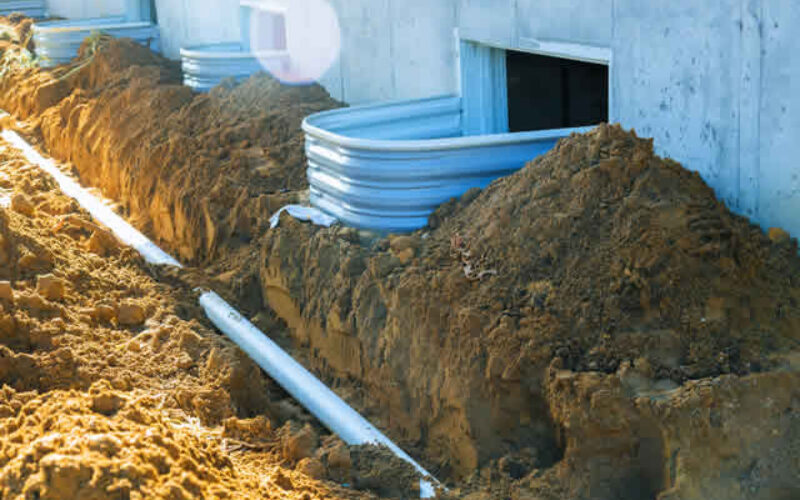
Image credit: impact of soil conditions on home foundations by envato.com
end of post … please share it!
| more photo remodeling |
Jump Over to Our Photo Analysis Center for Ideas on
"Renovating Home"
|__________________________________________________________|
home remodeling surprise
find out where it might go - new win


Helpful article? Leave us a quick comment below.
And please share this article within your social networks.