Summary Outline –
The floors in your home are more than just a surface to step on—they’re the foundation of your interior design and a key factor in creating a comfortable and functional space.
Among the many flooring options available, hardwood flooring stands out as a timeless, versatile, and practical choice for homeowners. From enhancing aesthetics to offering durability, sustainability, and health benefits, hardwood floors are an investment worth considering.
In this review, we’ll explore five compelling reasons to install hardwood flooring in your home, including how it can even boost your property’s value. Whether you’re renovating your space or building your dream home, read on to understand why hardwood flooring should top your list.

-
Quick scroll to first topic about reasons to install hardwood flooring …

first “reasons to install hardwood flooring” idea

copyright image by envato.com
Hardwood Tip 1: Aesthetic Appeal of Hardwood Flooring
Notes:
-
One of the undeniable advantages of hardwood flooring is its ability to elevate the aesthetics of any space. Its timeless appeal stems from its natural beauty, which seamlessly blends with a wide range of interior design styles, from traditional to contemporary.
With a variety of wood tones, grains, and finishes to choose from, hardwood floors provide endless options to customize a look that suits your personal taste. Beyond its visual charm, hardwood flooring also adds warmth and character to a room, making it feel inviting and elegant at the same time.
Whether you’re going for a rustic feel or a sleek, modern vibe, hardwood floors are a versatile choice that never goes out of style.
-
A Timeless Elegance
Unlike trends that come and go, hardwood flooring remains a timeless choice. It fits seamlessly into any interior design style, whether your home leans toward rustic farmhouse charm, minimalist elegance, or eclectic modernity. Its natural textures and finishes add warmth, sophistication, and a welcoming vibe to any room.
-
Customization and Variety
Hardwood flooring comes in a range of wood species, stains, and finishes, giving homeowners endless options. Light woods like maple and ash lend an airy, contemporary feel, while darker woods like mahogany or walnut add richness and depth.
You can also choose between finishes such as matte, glossy, or hand-scraped, creating a look that’s uniquely yours.
-
Comparisons to Other Flooring Options
Unlike carpet, which can appear dated and lose its luster over time, or tile, which can feel cold and hard underfoot, hardwood provides a balance of visual appeal and comfort. It adds a natural element that’s both versatile and luxurious, elevating the overall look of your home.
-
-
Quick scroll to “types of hardwood” side notes …
-
-
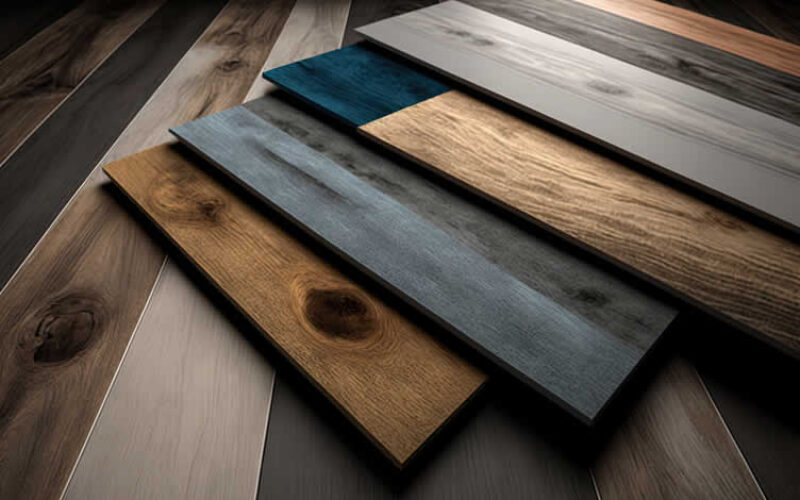
1st: Types of Hardwood Flooring Available
When it comes to hardwood flooring, there is a wide array of options available, each with its own unique characteristics and beauty. From domestic hardwoods to exotic varieties, the choices are abundant.
Here, we explore some of the most popular types of hardwood flooring:
-
Oak Flooring
Oak is a beloved choice for hardwood flooring due to its durability, strength, and timeless appeal. It is available in various finishes and can complement a range of interior styles.
-
Maple Flooring
Maple hardwood flooring is known for its light color and smooth, uniform grain. It adds a bright and airy touch to any space, making it a popular choice for contemporary and minimalist designs.
-
Walnut Flooring
Walnut hardwood flooring exudes elegance and sophistication with its rich, dark tones and distinctive grain patterns. It adds warmth and depth to both traditional and modern interiors.
-
Hickory Flooring
Hickory hardwood flooring is renowned for its durability and resistance to wear and tear. It features beautiful variations in color and graining, providing a rustic and charming appeal.
-
Bamboo Flooring
While technically not a hardwood, bamboo flooring is a sustainable and eco-friendly option. It offers a similar look to traditional hardwood while being more resistant to moisture and humidity.
-
Exotic Hardwood Flooring
Exotic hardwoods like Brazilian cherry, mahogany, and teak bring a touch of luxury and uniqueness to any space. These species often feature striking colors, intricate patterns, and exceptional durability.
Each type of hardwood flooring has its own distinct characteristics, allowing you to choose the perfect option that suits your style preferences, lifestyle, and budget.
copyright image by 123rf.com

-
-
2nd: Types of Softwood Flooring (As an Option)
Softwood flooring offers a distinct aesthetic appeal, combining natural beauty and warmth with its unique characteristics. While not as hard as hardwood flooring, softwood options bring their own charm and advantages to any space.
Let’s explore some popular types of softwood flooring:
-
Pine Flooring
Pine flooring is a popular choice known for its affordability and rustic charm. It features a light color palette with prominent grain patterns, creating a cozy and inviting atmosphere.
Pine flooring is relatively soft, offering a comfortable underfoot feel. It can be easily customized with various stains and finishes to achieve the desired look.
-
Cedar Flooring
Cedar flooring is prized for its natural durability and resistance to rot and decay. It emanates a distinct aroma that adds to the ambiance of any room.
Cedar’s warm tones and intricate grain patterns lend an air of elegance and character to spaces. This softwood flooring option is well-suited for areas with low to moderate foot traffic.
-
Fir Flooring
Fir flooring offers a balance between affordability and durability. With its light reddish-brown hue and straight grain, fir creates a timeless and classic look for any interior.
The wood’s natural resistance to moisture makes it a suitable choice for areas prone to humidity. Fir flooring is an excellent option for those seeking a softer wood with a traditional appeal.
Each type of softwood flooring brings its own unique qualities and visual impact to your home. Consider your personal preferences, lifestyle, and the specific requirements of your space to choose the softwood flooring option that best suits your needs.
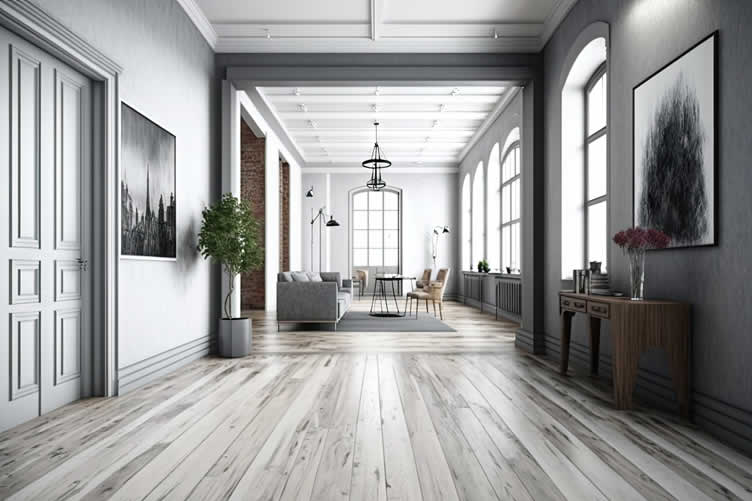
copyright image by 123rf.com
-
-
-
ideas to view and compare from the information discussed above

Scroll up to directory … or scroll to next section about reasons to install hardwood flooring …


second “photo remodeling” idea
copyright image by 123rf.com
Hardwood Tip 2: Durability and Longevity
Notes:
-
Hardwood flooring isn’t just beautiful; it’s built to last and adds timeless elegance to any space. For homeowners seeking a durable, long-term solution, hardwood is an excellent investment that can withstand years of wear while maintaining its charm.
-
Built to Endure
When maintained properly, hardwood floors can last for decades—some even last over 100 years! Unlike other flooring types that deteriorate with heavy use, hardwood handles wear and tear exceptionally well. Whether in high-traffic areas like the living room or quieter spaces like bedrooms, hardwood flooring can withstand daily life with ease.
-
Low-Maintenance Durability
Hardwood surfaces are easy to clean, making them perfect for homes with children or pets. A simple sweep or dry mop keeps debris at bay, and occasional refinishing restores the floor to its original state, saving you from costly replacements.
-
Outlasting Competitors
Many flooring materials, like vinyl or laminate, may be cheaper initially but often require frequent replacement due to wear or damage. Hardwood, with proper care, offers a longevity that offsets its upfront cost.
-
-
Quick scroll to “types of hardwood flooring” side notes …
-
-
1st: Types of Hardwood Flooring by Room
When it comes to hardwood flooring, different rooms in your home have different requirements and styles that can be achieved with the right choice of hardwood. Here are some popular types of hardwood flooring for different rooms, each offering unique characteristics that make them suitable for specific spaces.
-
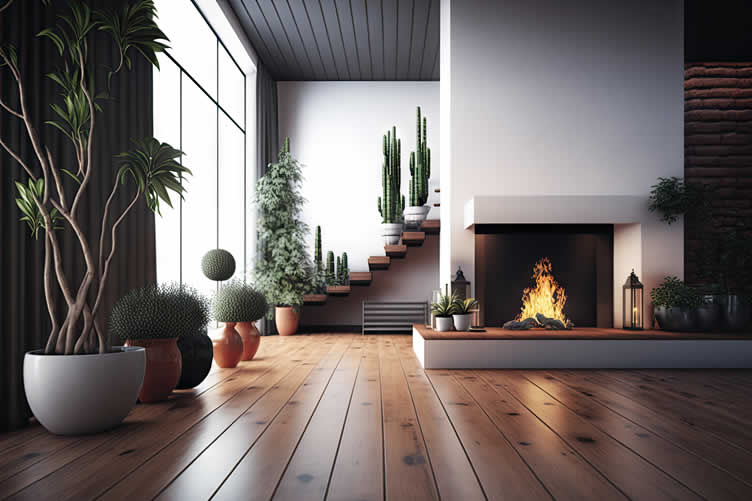
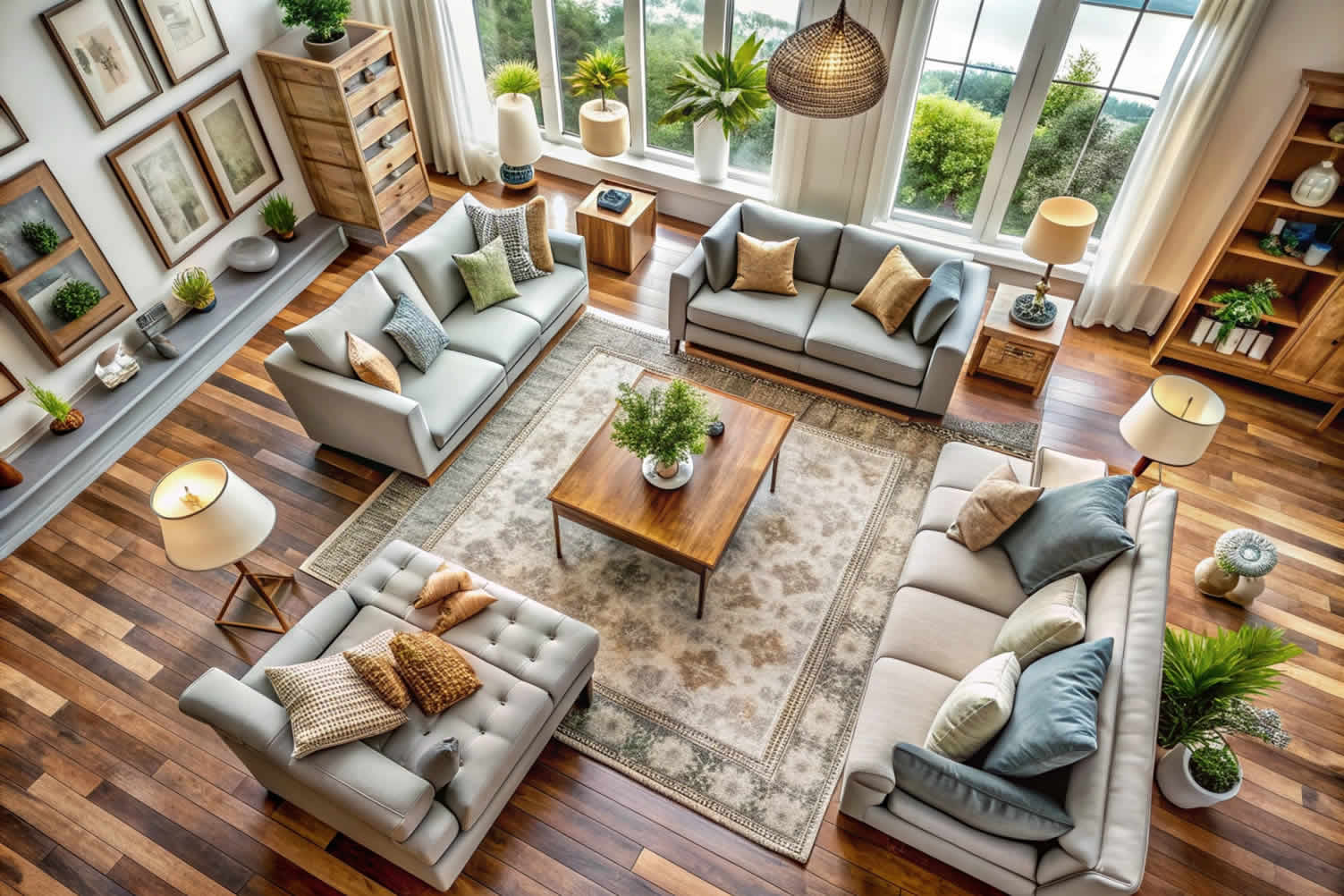
1. Hardwood Flooring for the Living Room
The living room is often the centerpiece of a home, where comfort and style meet. Solid oak hardwood flooring is an excellent choice for the living room, offering durability and a classic, timeless look. Its warm tones and natural grain patterns create a cozy and inviting atmosphere, perfect for relaxing with family and friends.
For homeowners seeking a touch of elegance and sophistication, marble flooring is a stunning option for the living room. The natural beauty and unique veining patterns of marble create a luxurious ambiance that can elevate the overall aesthetic of the space.
With its cool and smooth surface, marble provides a refreshing and timeless appeal. marble flooring adds a touch of grandeur and elegance to any living room decor scheme.
-
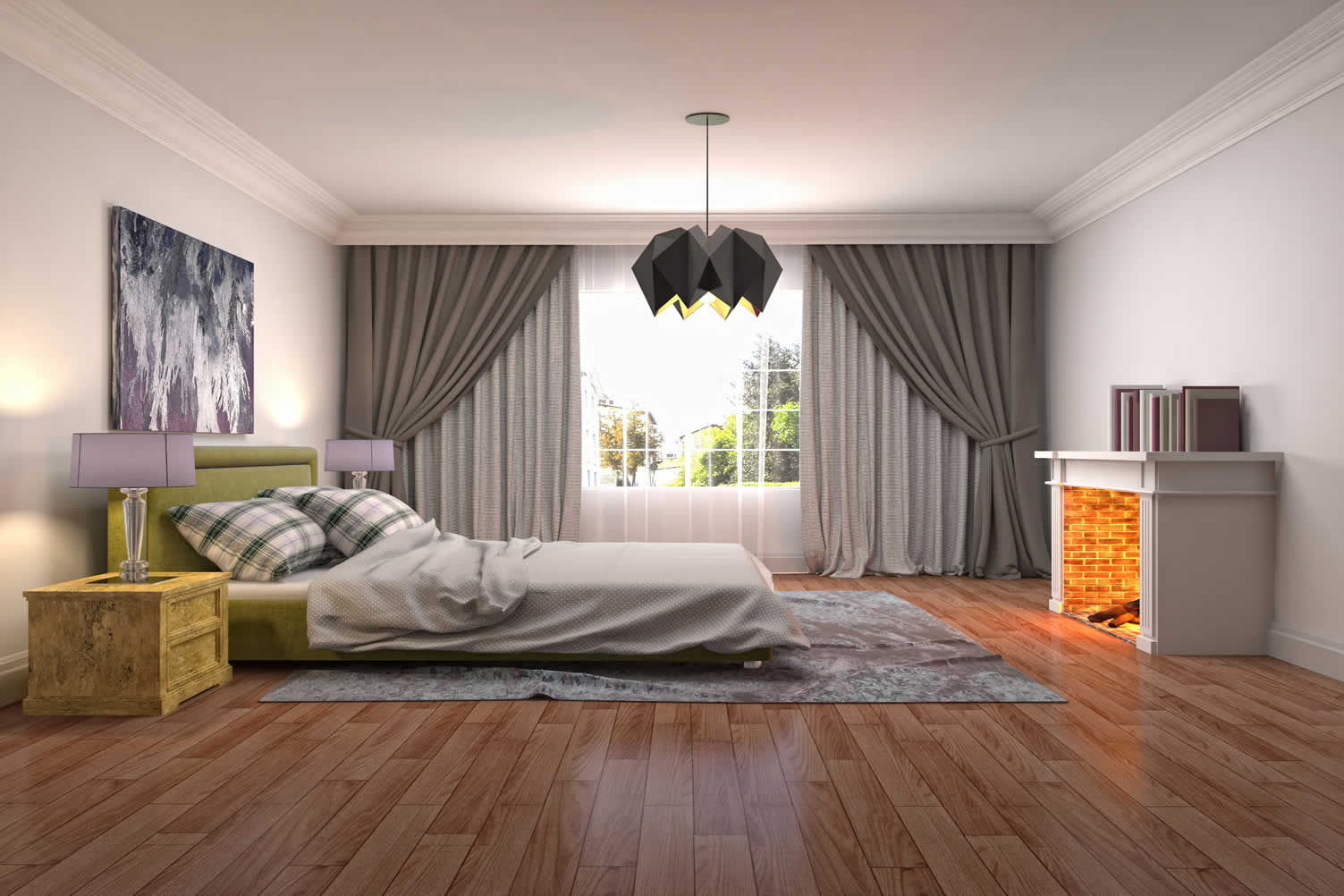
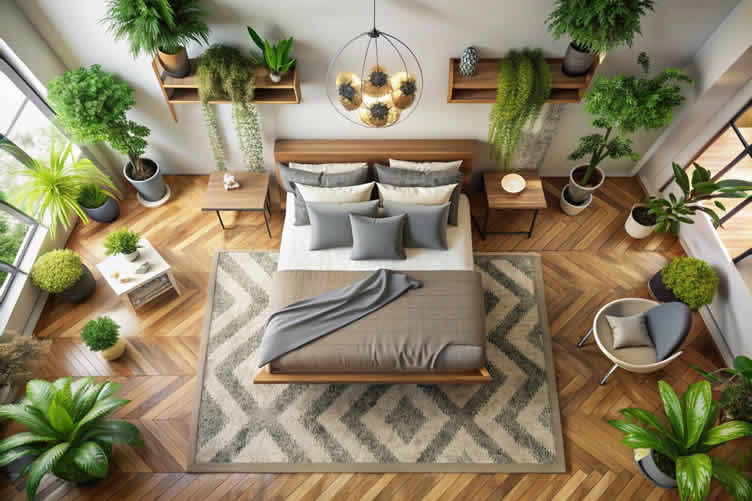
2. Hardwood Flooring for the Bedroom
In the bedroom, comfort and tranquility are key. Engineered hickory hardwood flooring provides both aesthetic appeal and resilience. Its natural beauty and rich colors bring a sense of warmth, while the engineered construction ensures stability, making it resistant to humidity and temperature changes.
If comfort and relaxation are paramount, the use of soft hardwoods like pine and cedar can enhance the cozy ambiance. Pine hardwood flooring offers a rustic charm with its light tones and distinct knots, creating a warm and inviting atmosphere.
Cedar hardwood flooring, known for its natural aromatic scent, adds a touch of elegance and natural beauty to the bedroom. Both pine and cedar provide a softer underfoot feel, making them an excellent choice for creating a soothing and comfortable bedroom retreat.
-
3. Hardwood Flooring for the Kitchen
The kitchen is a high-traffic area that requires flooring that can withstand spills and frequent cleaning. Oak hardwood flooring with a durable finish is a popular choice, as it is resistant to moisture and stains. Its versatility and classic appeal make it suitable for a wide range of kitchen styles, from traditional to modern.
Hardwoods like hickory or bamboo are excellent choices for flooring because they are durable and can withstand everyday wear and tear, making them ideal for high-traffic areas or families with kids and pets.
Reclaimed wood is another great option, offering not only an eco-friendly choice by reusing materials but also adding a unique, rustic character to your space that tells its own story.
-
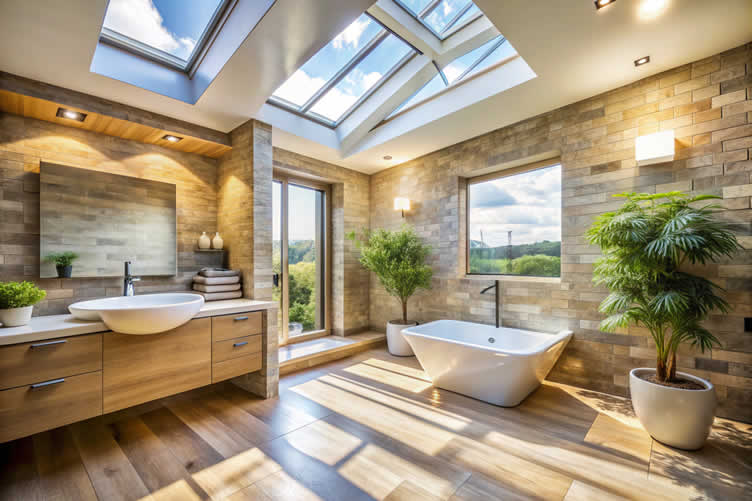
4. Hardwood Flooring for the Bathroom
While hardwood flooring is not typically recommended for bathrooms due to high moisture levels, some engineered hardwood options offer improved water resistance.
Look for engineered bamboo flooring, which is known for its natural resistance to moisture. It adds a touch of elegance to the bathroom while providing durability and stability.
-
5. Hardwood Flooring for Other Spaces
Beyond the main living areas, hardwood flooring can also be used in other spaces like hallways, home offices, and dining rooms. For these areas, consider exotic hardwoods like Brazilian cherry or tigerwood.
Their distinct grain patterns and rich colors add a touch of sophistication and create a seamless flow throughout your home.
copyright image by 123rf.com
[ pinterest: best hardwood flooring for kitchen ]
[ pinterest: best hardwood flooring for living room ]
-
-
2nd: Types of Hardwood Flooring by Needs
When it comes to choosing the right hardwood or softwood flooring for your home, considering the specific needs and characteristics of each room is essential.
Different rooms have varying levels of foot traffic, moisture exposure, and size, which influence the ideal type of flooring to use. Here are some recommendations for each type of room:
-
1. Hardwood Flooring for Small Rooms
Small rooms can benefit from lighter-colored hardwood flooring options. Lighter tones create an illusion of space and make the room feel more open and airy. Consider options like ash, white oak, or maple, which not only brighten up the room but also offer excellent durability.
-
2. Hardwood Flooring for Rooms with Moisture
In rooms with higher moisture levels, such as kitchens or bathrooms, it’s important to choose hardwood flooring that can withstand moisture without warping or damage.
Engineered hardwood with a waterproof core, such as vinyl plank or engineered bamboo, is a suitable choice. These options provide the elegance and warmth of hardwood while offering improved water resistance.
-
3. Hardwood Flooring for Rooms with Heavy Traffic
For areas with heavy foot traffic, such as entryways or living rooms, opt for hardwood flooring that is known for its durability and hardness. Oak, hickory and bamboo are popular choices due to their excellent resistance to wear and tear.
Their strong and dense composition makes them less prone to scratches and dents, ensuring your flooring maintains its beauty even with frequent use.
copyright image by 123rf.com
[ pinterest: hardwood flooring for small room ]
[ pinterest: hardwood flooring for bathrooms ]
-
-
-
ideas to view and compare from the information discussed above
engineered hardwood flooringwhite oak hardwoodwaterproof wood vinyl
Scroll up to directory … or scroll to next section about reasons to install hardwood flooring …

addressing reasons to install hardwood flooring and other home improvement needs …

… grab this directory of ideas for future use



May We Suggest Other Photo Remodeling Ideas About
“Other Home Structural Projects …” (new win)

third “photo remodeling” idea
copyright image by 123rf.com
Hardwood Tip 3: Sustainability of Hardwood Flooring
Notes:
-
If you’re looking for an environmentally friendly flooring option, hardwood is a sustainable choice. Many hardwood floors are sourced and manufactured with eco-friendly practices in mind, such as responsible forestry and reduced chemical usage during production.
Additionally, hardwood is a durable material that can last for decades with proper care, reducing the need for frequent replacements. Some hardwood options are even certified by organizations like the Forest Stewardship Council (FSC), ensuring they meet strict sustainability standards.
-
An Eco-Conscious Choice
Hardwood flooring is made from natural materials, meaning fewer chemicals are involved compared to synthetic options like vinyl. Additionally, wood is a renewable resource when sourced responsibly.
-
Supporting Sustainable Practices
Many hardwood floors are now certified by organizations like the Forest Stewardship Council (FSC), ensuring they come from responsibly managed forests. These certifications confirm that the wood meets strict environmental, social, and economic standards, giving you peace of mind with your purchase.
-
Recyclable and Long-Lasting
Unlike engineered or synthetic floors that eventually end up in landfills, hardwood has excellent recyclability. Even if you choose to replace it down the line, the material can often be re-purposed into furniture or building materials.
-
-
Quick scroll to “noise reduction” side notes …
-
-
1st: Noise Reduction and Comfort
When it comes to hardwood flooring, the benefits go beyond aesthetics and durability. Hardwood floors can also contribute to noise reduction and provide a comfortable living environment.
With their natural properties and proper installation techniques, hardwood floors can help create a quieter and more tranquil space. Let’s explore how noise reduction and comfort are achieved with hardwood flooring.
-
Sound Absorption
Hardwood flooring naturally absorbs sound, reducing the transmission of noise between rooms and floors. The solid structure of hardwood acts as a barrier, minimizing the impact of footsteps, dropped objects, and other noises that can disturb the tranquility of your home.
This feature is particularly beneficial in multi-story buildings or spaces with high foot traffic.
-
Underlayment
Using an underlayment, such as felt or cork, can further enhance the noise-reducing properties of hardwood flooring.
Underlayments provide an additional layer of cushioning and insulation, effectively reducing impact sound and vibrations caused by everyday activities. This helps create a quieter and more comfortable ambiance in your living spaces.
-
Area Rugs and Furniture
Strategic placement of area rugs and furniture can help absorb and dampen sound in specific areas. Placing rugs in high-traffic areas or using furniture with soft materials can help reduce noise levels and create a more comfortable environment.
These additions not only contribute to noise reduction but also add warmth and coziness to your hardwood floors.
-
Acoustic Underlayment
For situations where noise reduction is a top priority, acoustic underlayment can be used. This specialized underlayment is designed to provide maximum sound absorption and minimize noise transmission.
By incorporating acoustic underlayment beneath hardwood flooring, you can further enhance the overall sound reduction qualities of your space.
copyright image by 123rf.com
-
-
-
ideas to view and compare from the information discussed above
Scroll up to directory … or scroll to next section about reasons to install hardwood flooring …
SHARE IT ..! You might have someone in your social network who could find this informative post reasons to install hardwood flooring valuable. Feel free to share it on Facebook, X (formally Twitter), LinkedIn, or Pinterest!


fourth “photo remodeling” idea
copyright image by 123rf.com
Hardwood Tip 4: Health Benefits
Notes:
-
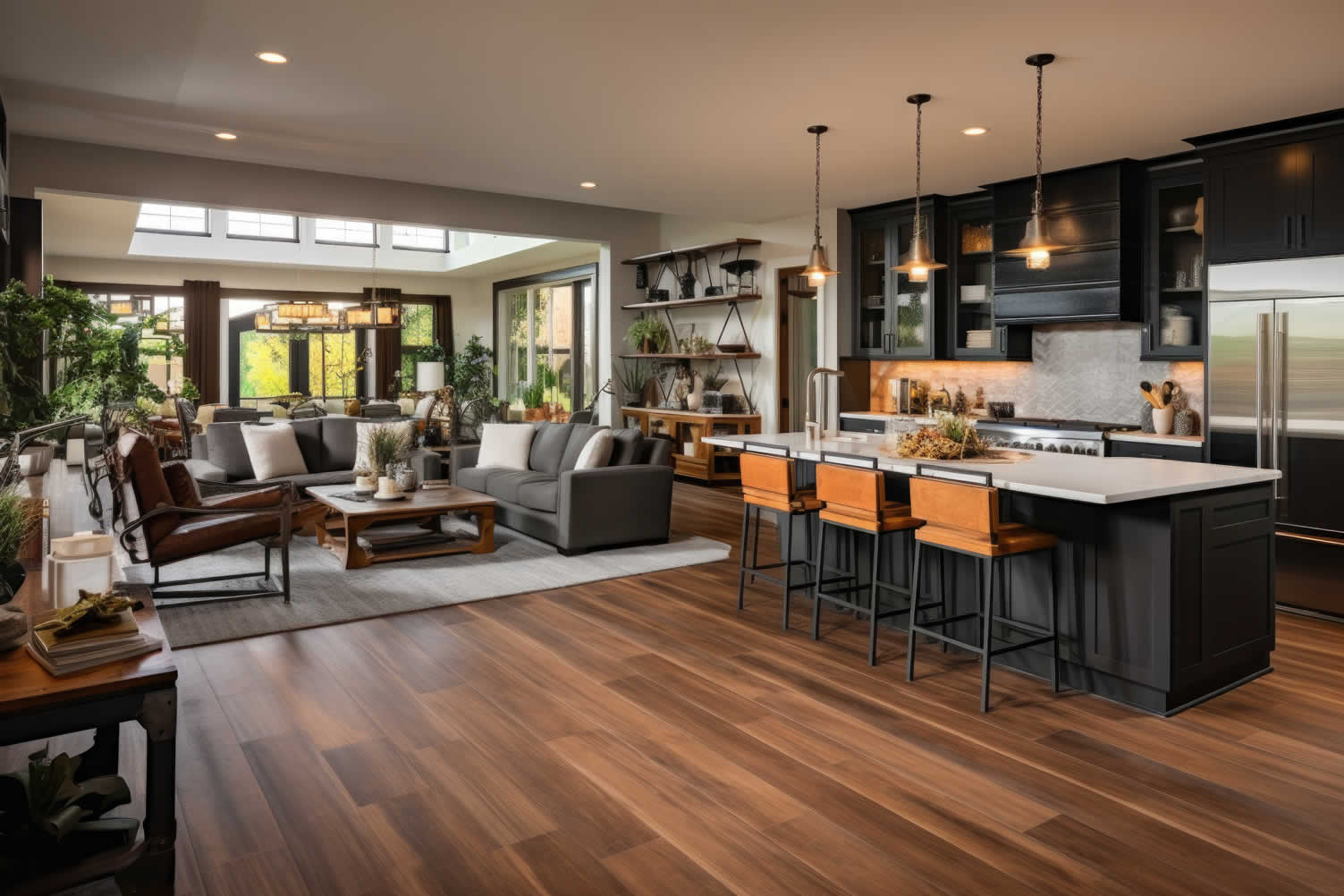
Did you know that hardwood flooring can make your home healthier? Unlike carpets, which can trap dust, allergens, and pet dander, hardwood floors are much easier to clean and maintain.
They help reduce indoor air pollution by preventing the buildup of irritants, making them particularly beneficial for households with allergies or sensitivities. Plus, their durable surface can stand up to frequent cleaning, ensuring a fresher, healthier living space for you and your family.
-
Improving Indoor Air Quality
One of the biggest drawbacks of carpet is its tendency to trap dust, allergens, and pet dander, which can reduce indoor air quality. Hardwood floors, on the other hand, don’t harbor contaminants, making them a hygienic option for families.
-
Easy to Clean and Maintain
Because hardwood floors are easy to clean, they reduce the amount of debris in your living spaces. Gone are the days of scrubbing stains or worrying about trapped odors. A quick clean with a mop or vacuum helps maintain a fresh and healthy environment.
-
A Hypoallergenic Surface
Unlike softer flooring materials, hardwood doesn’t support mold growth or harbor pests, making it an ideal option for those with asthma, allergies, or other sensitivities. Its smooth surface also makes it easier to clean, reducing the accumulation of dust, pet dander, and other allergens that can trigger symptoms.
-
-
Quick scroll to “hardwood installation” side notes …
-
-
1st: Hardwood Flooring Installation Process
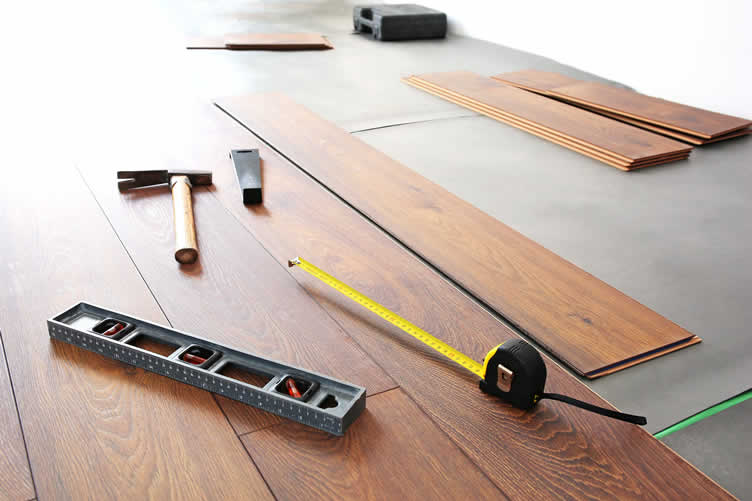
Installing hardwood flooring is a fantastic way to enhance the beauty and elegance of your space. Whether you’ve chosen engineered hardwood, reclaimed hardwood, bamboo, or softwood, this comprehensive guide will walk you through the step-by-step process of installing your desired type of hardwood flooring.
From preparation to finishing touches, we’ve got you covered. Let’s dive in and create a stunning foundation for your interior design masterpiece.
-
1. Prepare the Subfloor:
The first step is to ensure that the subfloor is clean, dry, and level. Remove any existing flooring and repair any damaged areas. It’s important to have a smooth and stable surface for the new engineered hardwood flooring.
-
2. Acclimate the Flooring:
Hardwood needs to acclimate to the environment of the room before installation. Follow the manufacturer’s instructions for acclimation time and conditions. This allows the flooring to adjust to the temperature and humidity of the space.
-
3. Install Underlayment (if required):
Some engineered hardwood flooring may require an underlayment for added moisture protection and noise reduction. Install the underlayment according to the manufacturer’s instructions, ensuring it covers the entire subfloor area.
-
4. Lay the First Row:
Start installation along the longest and straightest wall in the room. Leave a 1/4 inch expansion gap between the flooring and the wall to allow for natural expansion. Secure the first row of engineered hardwood using the recommended method, such as glue, nails, or floating installation.
-
5. Continue Installation:
Continue laying the remaining rows, staggering the end joints for a more stable and visually appealing installation. Use a tapping block and mallet to ensure tight and secure connections between the planks. Trim the last row as needed to fit the remaining space.
-
6. Install Transition Pieces:
Install transition pieces, such as thresholds and baseboards, to complete the installation and provide a seamless transition between the hardwood flooring and other flooring types or areas.
copyright image by 123rf.com
[ youtube: install hardwood floors | DIY projects ]
[ youtube: DIY engineered hardwood flooring install ]
-
-
-
ideas to view and compare from the information discussed above
hardwood floor vacuumhardwood floor dusterhardwood floor mop
Scroll up to directory … or scroll to next section about reasons to install hardwood flooring …

plan the specifications you need for hardwood flooring and other …

… key home improvement and remodeling decisions
Find Flooring Services (opens new win) Brick & Stone Concrete Carpet Hardwood top-rated, pre-screened local contractors Laminate & Vinyl Tile enter zip code – powered by HomeAdvisor ™
Quick Contractor Guides selecting negotiating working with inspecting
fifth and last “photo remodeling” idea

copyright image by 123rf.com
Hardwood Tip 5: Financial and Home Value Considerations
Notes:
-
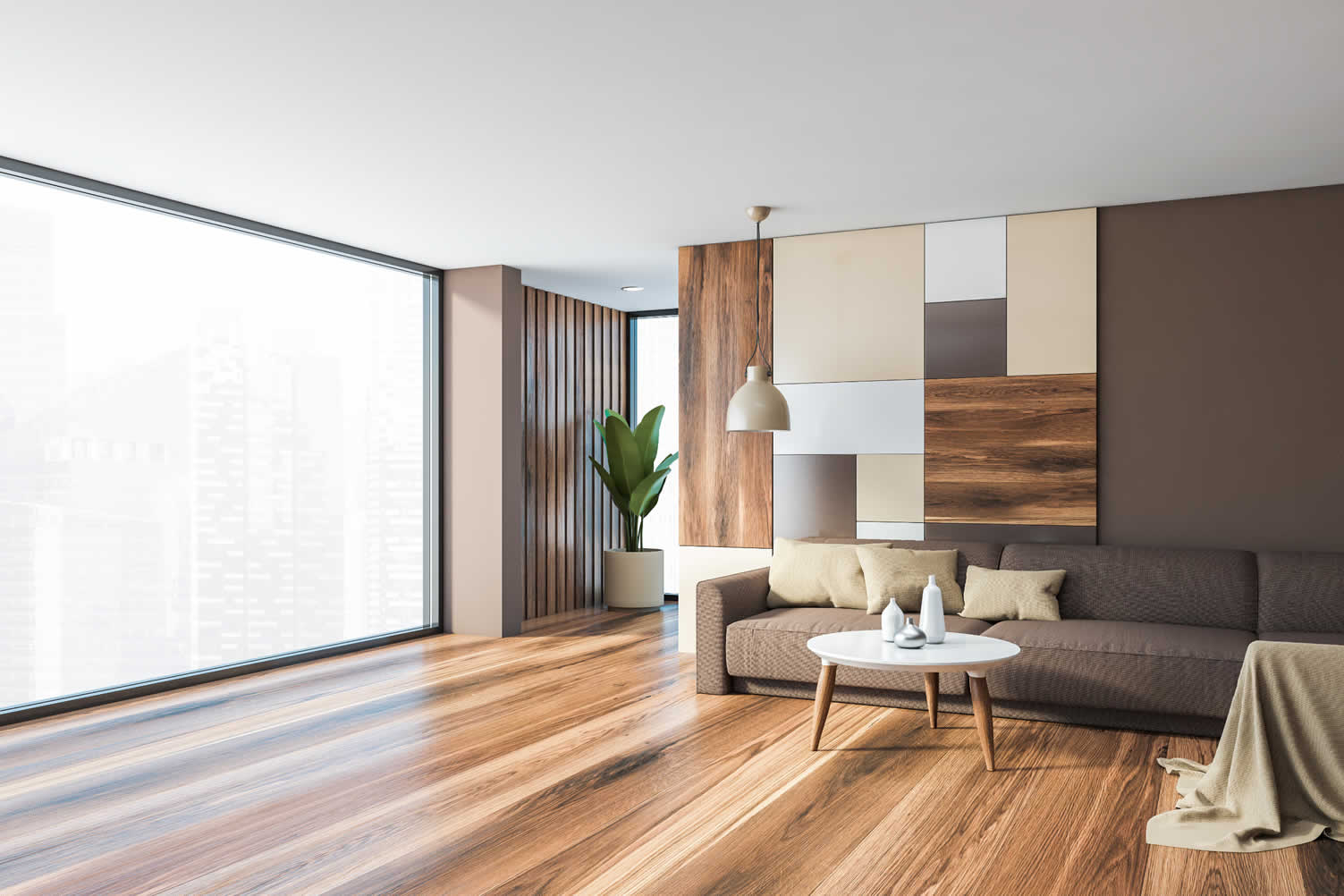
Investing in hardwood flooring offers financial returns beyond aesthetics and functionality. Not only does it enhance the beauty of your home, but it also increases its overall value and appeal to potential buyers.
Hardwood is durable, easy to maintain, and can last for decades, making it a smart choice if you’re thinking long-term. Plus, its timeless look ensures it never goes out of style, adding both elegance and practicality to your space.
-
Boosting Your Home’s Value
Homes with hardwood flooring are immensely attractive to buyers, adding a premium look and feel that increases perceived value. Research shows that hardwood floors can significantly enhance your home’s resale price. For potential buyers, it’s often a selling point that justifies paying more.
-
Comparing Long-Term Costs
While hardwood may have a higher upfront cost than laminate or carpet, it’s a cost-efficient choice over time due to its durability. Where other flooring materials require replacing every 10–20 years, hardwood lasts decades, making it a one-time investment for many homeowners.
-
Exclusive Deals for Subscribers
If you’re worried about initial costs, many suppliers offer warranties or seasonal discounts, allowing you to install premium-quality floors without breaking the bank. It’s worth exploring these offers to ensure a smooth purchasing process.
-
-
Quirk scroll to topic "costing comparison" side notes …
-
-
1st: Cost Comparison: Hardwood Flooring
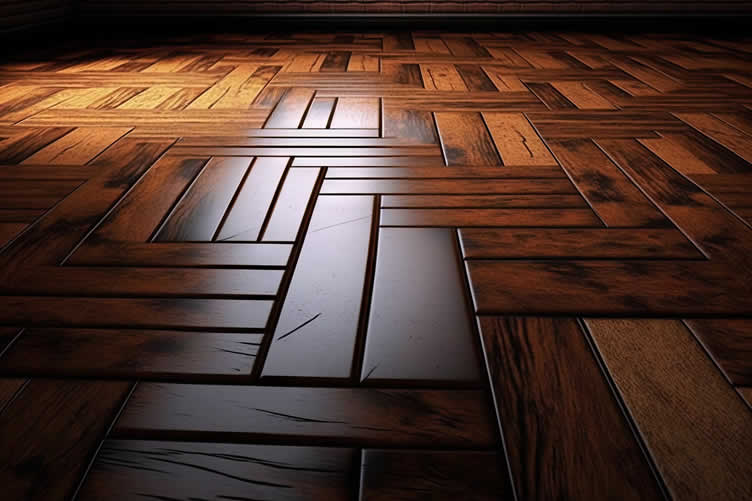
When it comes to selecting hardwood flooring, the cost is an important factor to consider. Different types of hardwood vary in price due to factors such as availability, sourcing, and popularity.
In this section, we will explore the cost differences between several popular hardwood options, including Red Oak, White Oak, Maple, Cherry, and Walnut. Understanding these cost variations can help you make an informed decision when choosing the perfect hardwood flooring for your space.
-
Red Oak
Estimated Cost: $3-$8 per square foot
Red Oak is a classic and widely available hardwood option that offers a beautiful combination of durability and affordability. It is known for its warm tones and distinctive grain patterns.
With its moderate price range, Red Oak is a popular choice for homeowners seeking an attractive, durable, and cost-effective flooring solution.
-
White Oak
Estimated Cost: $11-$16 per square foot
White Oak is another popular hardwood option known for its strength and versatility. It has a slightly higher price range compared to Red Oak due to its durability and resistance to moisture.
White Oak offers a timeless elegance and can complement a variety of interior styles, making it a great investment for long-term value.
-
Maple
Estimated Cost: $6-$12 per square foot
Maple hardwood flooring is renowned for its light color and smooth, consistent grain. It is highly durable and has a moderate to high price range.
Maple’s natural beauty and resistance to wear make it an attractive choice for areas with high foot traffic, such as living rooms and hallways.
-
Cherry
Estimated Cost: $8-$14 per square foot
Cherry hardwood flooring is prized for its rich, reddish-brown tones and distinctive grain patterns. It is a luxurious and higher-end option that adds warmth and elegance to any space. The price range for Cherry hardwood reflects its sought-after beauty and exclusivity.
-
Walnut
Estimated Cost: $12-$17 per square foot
Walnut flooring is known for its deep, rich color and striking grain variations. It is a premium hardwood option that exudes sophistication and luxury. The higher price range is a reflection of its natural beauty, durability, and the limited availability of Walnut wood.
When considering the cost of hardwood flooring, it’s essential to factor in installation costs, which can vary depending on your location and the complexity of the project.
Additionally, keep in mind that these estimated costs may vary depending on the quality, grade, and finish of the hardwood flooring you choose.
copyright image by 123rf.com
[ youtube: wood floor costs – how much!? ]
[ youtube: solid vs engineered hardwood floors ]
-
-
2nd: Cost Comparison: Exotic Hardwood Flooring
Exotic hardwood flooring offers a unique and luxurious aesthetic to any space, but it’s important to consider the cost differences between various options. Each type of exotic hardwood brings its own distinctive characteristics and price range.
Let’s explore the estimated costs of some popular exotic hardwood flooring options:
-
Brazilian Walnut
Estimated Cost: $20-$25 per square foot
Brazilian Walnut, also known as Ipe, is a highly durable and dense hardwood with a beautiful dark brown color and fine grain. Its natural resistance to rot and decay makes it suitable for both indoor and outdoor applications.
The cost of Brazilian Walnut falls within a moderate to high price range due to its durability and exotic appeal.
-
African Mahogany
Estimated Cost: $8-$12 per square foot
African Mahogany is a stunning hardwood known for its reddish-brown color and medium to coarse grain pattern. It offers a warm and inviting ambiance to any space.
The cost of African Mahogany is relatively moderate, making it an attractive option for those seeking an exotic look without breaking the bank.
-
Genuine Mahogany
Estimated Cost: $15-$20 per square foot
Genuine Mahogany, also known as Honduran Mahogany, is highly regarded for its reddish-brown hue and straight grain. It is a premium hardwood with excellent durability and resistance to warping and swelling.
The cost of Genuine Mahogany reflects its high-quality and desirable characteristics.
-
Gonçalo Alves (Tigerwood)
Estimated Cost: $20-$25 per square foot
Gonçalo Alves, commonly known as Tigerwood, features a striking appearance with its rich orange-brown hue and dark streaks, resembling the stripes of a tiger. It is a dense and durable hardwood that adds a touch of exotic elegance to any space.
The cost of Tigerwood falls within the higher end of the price range due to its unique and eye-catching aesthetics.
When choosing exotic hardwood flooring, it’s important to consider both the cost and the desired visual impact. Keep in mind that these estimated costs may vary depending on factors such as location, availability, and specific product quality.
Additionally, installation costs should be factored in for a comprehensive understanding of the overall investment in your hardwood flooring project.
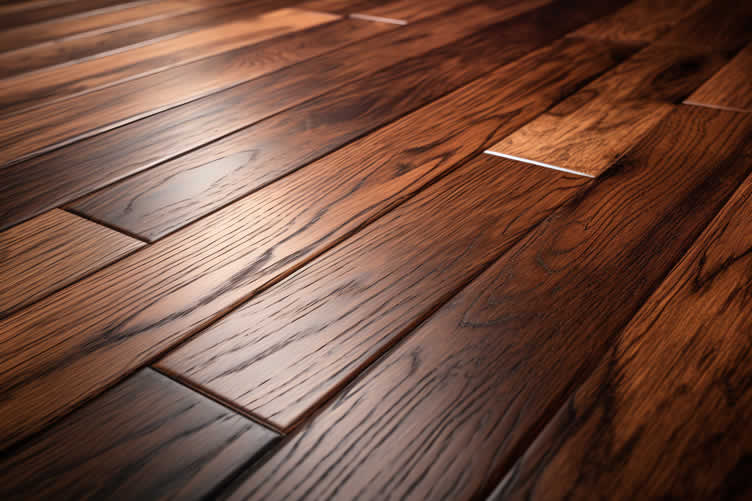
copyright image by 123rf.com
[ youtube: exotic hardwood flooring lumber ]
[ pinterest: solid vs engineered hardwood floors ]
-
-
3rd: Cost Comparison: Alternative Wood Flooring Options
When it comes to wood flooring, there’s a wide range of options available, each with its own unique characteristics and price points. If you’re looking for alternatives to traditional hardwood flooring, there are several options to consider. Let’s take a closer look at the estimated costs of some popular alternative wood flooring types:
-
Engineered Hardwood
Estimated Cost: $6-$9 per square foot
Engineered hardwood offers the beauty and warmth of natural wood at a more affordable price. It consists of a thin layer of real hardwood veneer on top of layers of high-quality plywood or fiberboard.
This construction provides stability and resistance to moisture, making it suitable for a variety of environments. The cost of engineered hardwood is generally lower than that of solid hardwood, making it an attractive option for budget-conscious homeowners.
-
Reclaimed Hardwood
Estimated Cost: $8-$14 per square foot
Reclaimed hardwood flooring is sourced from salvaged timbers and re-purposed for use in new installations. It offers a unique and rustic charm, showcasing the character and history of the wood.
Due to the labor-intensive process of sourcing and preparing reclaimed wood, the cost tends to be higher compared to other wood flooring options. However, the environmental benefits and distinctive aesthetics make reclaimed hardwood an excellent choice for those seeking sustainable and one-of-a-kind flooring.
-
Bamboo
Estimated Cost: $4-$8 per square foot
Bamboo flooring has gained popularity in recent years due to its eco-friendly nature and durability. Despite its name, bamboo is not a wood but a fast-growing grass. It is available in various styles, including solid bamboo and engineered bamboo.
The cost of bamboo flooring can vary depending on factors such as the quality, thickness, and manufacturing process. Overall, bamboo offers an affordable and sustainable alternative to traditional hardwood flooring.
-
Softwood
Estimated Cost: $3-$6 per square foot
Softwood, such as pine or cedar, is another cost-effective option for wood flooring. Softwood is known for its natural beauty and lighter color tones, adding warmth and charm to any space.
While softwood is generally less durable than hardwood, proper maintenance and refinishing can help prolong its lifespan. If you’re on a tight budget but still want the natural aesthetics of wood flooring, softwood can be an excellent choice.
It’s important to note that these estimated costs are intended as a general guideline and can vary depending on factors such as location, availability, and specific product quality.
Additionally, installation costs should be factored in for a comprehensive understanding of the overall investment in your wood flooring project. Consider your budget, desired aesthetics, and maintenance requirements when selecting the right wood flooring option for your space.
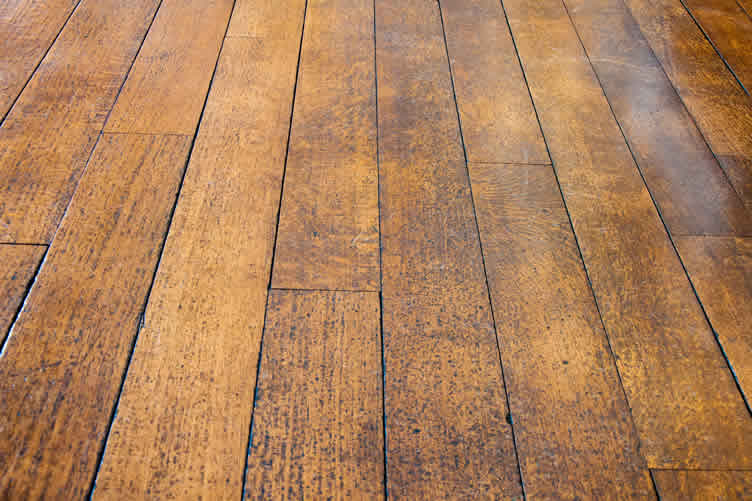
copyright image by 123rf.com
[ youtube: reclaimed wood flooring ideas ]
[ youtube: advantages/disadvantages bamboo flooring ]
-
-
4th: Finding a Hardwood Flooring Contractor
When it comes to the installation of hardwood flooring in your home, it’s essential to find a reliable and skilled contractor who can ensure a professional and seamless installation. Here are some key steps to help you find the right hardwood flooring contractor:
- Research and Gather Recommendations:
Start by researching local hardwood flooring contractors and gather recommendations from friends, family, or neighbors who have recently had hardwood flooring installed. Their firsthand experiences can provide valuable insights and help you narrow down your options. - Check Credentials and Experience:
Verify that the contractor you are considering is licensed, bonded, and insured. This ensures that they meet the necessary requirements and have the expertise to handle your hardwood flooring installation. Additionally, inquire about their experience specifically with hardwood flooring installations to ensure they have the necessary skills and knowledge. - View Portfolios and Reviews:
Ask the contractor for their portfolio of previous hardwood flooring installations. This will give you an idea of their workmanship and the quality they deliver. Additionally, read reviews and testimonials from their past clients to gauge their reputation and customer satisfaction. - Obtain Multiple Quotes:
Reach out to multiple contractors and request detailed quotes for your hardwood flooring installation project. Compare the quotes, taking into consideration factors such as the scope of work, materials used, timeline, and pricing. This will help you make an informed decision based on your budget and specific requirements. - Request References:
Ask the contractor for references from their previous clients. Contact these references to inquire about their experience working with the contractor, the quality of their work, and their overall satisfaction. Hearing directly from past clients can provide valuable insights into the contractor’s professionalism and reliability. - Communication and Compatibility:
During your initial discussions and meetings with the contractor, assess their communication skills and their ability to understand and address your needs. A good contractor should be attentive, responsive, and willing to answer any questions or concerns you may have. It’s also important to ensure that you feel comfortable working with them throughout the installation process.
By following these steps and conducting thorough research, you can find a reputable hardwood flooring contractor who will deliver a high-quality and visually stunning installation for your home.
LetsRenovate has partnered with HomeAdvisor™, a renowned provider of highly-rated, carefully-vetted local, hardwood flooring install contractors. Start your search here by entering your zip code to find local professionals.
copyright image by 123rf.com
But Wait!
Before starting your search and evaluation of hardwood flooring contractors, it is highly recommended to download and use this evaluation worksheet.
This resource will help you objectively rank and assess potential contractors, considering essential factors such as pricing, licensing, and referral information.

Evaluation Sheet
File Type: - Research and Gather Recommendations:
-
-
FINAL REMARKS
When it comes to flooring, few options match the aesthetic appeal, durability, sustainability, health benefits, and value offered by hardwood. It transforms your home into a warm, inviting space while ensuring functionality and long-term savings.
Whether you’re renovating or starting fresh, consider the unparalleled benefits of hardwood flooring. Not sure where to start? Contact a hardwood flooring contractor for a consultation—it’s time to create the home you’ve always dreamed of, one step at a time.
-
ideas to view and compare from the information discussed above
chair leg protectorsfurniture protectorshardwood floor restoration kit
- What comments can you share about
reasons to install hardwood flooring?
Scroll up to directory … or scroll to more home structural-related topics …
view illustration “becoming a bank”


Calendar For:
Home Maintenance
File Type:



get the size dimensions for any home remodeling project …
… for functionality, aesthetics, and adhering to building codes
… view our sharing links below for a quick "share the knowledge"
Cover image credit: reasons to install hardwood flooring by 123rf.com
end of post … please share it!
 |
did you find how simple renovations can reasons to install hardwood flooring analysis helpful? If so, please share the article with your friends and family! |
Nice pic idea? Leave us a quick comment below.
And please share this pic idea within your social networks.