From installing ramps and elevators to changing door handles and countertops, there are many simple changes you can make to ensure that your home is tailored to your needs.
Here are seven of the most common ways people with physical disabilities adapt to their homes for easier navigation and greater independence.
1. Ramps and Elevators
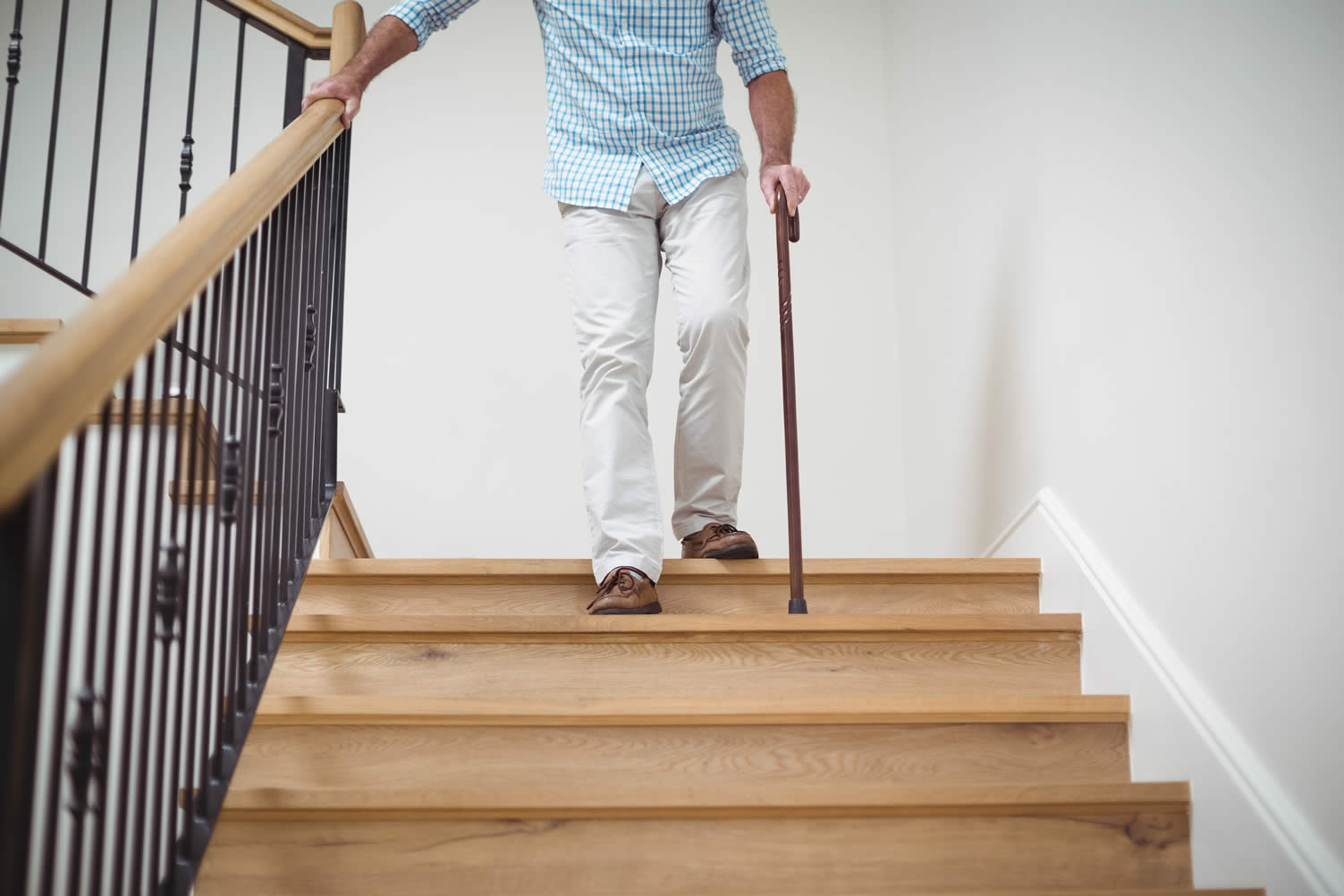
Installing ramps or elevators to create a safe and convenient way of getting around can be invaluable for those living with physical disabilities. Ramps provide easy access to doorways, decks, patios, and other areas of the home, while elevators offer an alternate mode of transport from one floor to another.
In addition, ramps and elevators may be outfitted with handrails or side rails, making them even more secure.
For instance, lifts for homes by Stiltz offer a unique solution that is easily installed and operated. These lifts can help you navigate multiple levels of your home with ease and confidence.
So, if your home has multiple levels, investing in a ramp or elevator could be just the solution you need.
2. Door Handles
Replacing standard door handles with lever-style or push-button entryways is a great way to make navigating around the home easier for those living with physical disabilities.
Lever handles are much simpler to operate than traditional doorknobs and require less strength, while push-button locks allow you to open the door without having to turn the handle.
This can be especially helpful if you’re using a wheelchair or have limited mobility in your hands or arms. In addition, adding automatic door openers can be helpful for those who have difficulty opening and closing doors.
3. Lower Counters and Cabinets
Raising counters and cabinets higher up on the wall is a great way to make them easier to reach, but it’s not always an option in every home. For this reason, lowering counters or cabinets may be necessary if you’re living with a physical disability.
This will allow you to access all areas of the kitchen without having to stretch unreasonably far or strain your muscles trying to reach things that are too high up. If you don’t want to lower your whole countertop, consider adding pull-out shelves underneath instead so that items are more easily accessible.
4. Widen Doorways
Another helpful modification for those with physical disabilities is widening the doorways in your home. This makes it easier to move wheelchairs, walkers, and other mobility devices through them without having to struggle or bash into the walls.
Wider door frames also allow more natural light to enter rooms, which can be beneficial if you’re dealing with a decreased range of vision. Moreover, widening doorways can make it easier to move furniture and other items in and out of rooms, which can be especially helpful if you’re relocating or remodeling.
5. Add a Roll-In Shower
Having a bathtub with a built-in seat or adding a roll-in shower is often necessary for those living with physical disabilities. This allows them to easily access the bathroom without having to worry about transferring themselves into a regular tub or shower.
Furthermore, many showers come with special features such as handrails, benches, and adjustable sprays that allow for more comfortable bathing and greater independence in the home.
Also, keep in mind that many bathtubs and showers can be modified to fit your needs, so don’t feel like you have to settle for a standard shower if it doesn’t meet your requirements.
6. Install Grab Bars
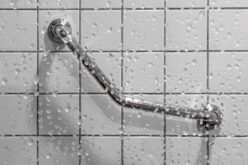
Installing grab bars around the home is one of the simplest ways to make navigating around much easier for those with physical disabilities. They provide extra stability and support when maneuvering around tight spaces or entering different rooms, and can even help prevent falls or slips in the bathroom.
To make them more suitable for those with limited mobility or strength, try investing in larger-diameter bars with textured surfaces that are easy to grip.
For added convenience, consider adding them to the wall next to doorways or in other areas where you may need extra support.
Making your home more accessible and accommodating for those with physical disabilities doesn’t have to be a difficult task. With the right modifications, you can make life easier for everyone living in your house without having to break the bank.
other related articles of interest:
From installing elevators and door handles that are easy to operate, to widening doorways or adding grab bars around the home, these six tips should help get you started on making your house as comfortable and safe as possible.
Remember: it’s always best to seek professional advice before attempting any major renovations so that you know all of your options when it comes time to upgrade!
Find Home Remodeling Services Additions Major Remodels Minor Remodels Disability Needs top-rated, pre-screened local contractors FREE: download contractor selection enter zip code – powered by HomeAdvisor ™


Image credit: dealing with a physical disability by envato.com
end of post … please share it!
| more photo remodeling |
Jump Over to Our Photo Analysis Center for Ideas on
"Renovating Home"
|__________________________________________________________|
home remodeling surprise
find out where it might go - new win


Helpful article? Leave us a quick comment below.
And please share this article within your social networks.