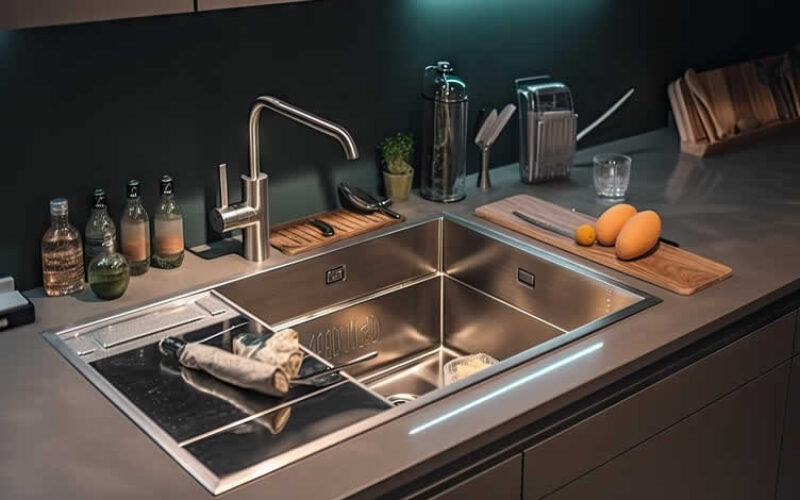
Summary Outline –
The kitchen is often regarded as the heart of the home. It’s where meals are crafted, conversations unfold, and memories take shape.
However, like any other area in your house, the kitchen requires regular updates to remain fresh, functional, and inviting. Kitchen trends continuously evolve, driven by advancements in technology, shifts in lifestyle, and changes in aesthetic preferences.
Whether you’re an interior design aficionado, a homeowner, or a DIY enthusiast, exploring the latest kitchen trends can ignite your creativity and help you transform your space into something remarkable.
Here are some of the top kitchen trends making waves this year.
- post content … analysis/ trending kitchen design ideas
- 1st: Minimalist Design
- 2nd: Tech-Integrated Kitchens
- 3rd: Sustainable Choices
- 4th: Multi-Functional Spaces
- 5th: Colorful Cabinets
- 6th: Statement Backsplashes
- 7th: Warm Metals
- 8th: Practical Tips for Implementation
- conclusion
- other kitchen-related topics

-
- —— begin first topic ——
-
1st TERM: Minimalist Design
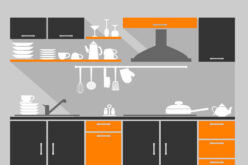
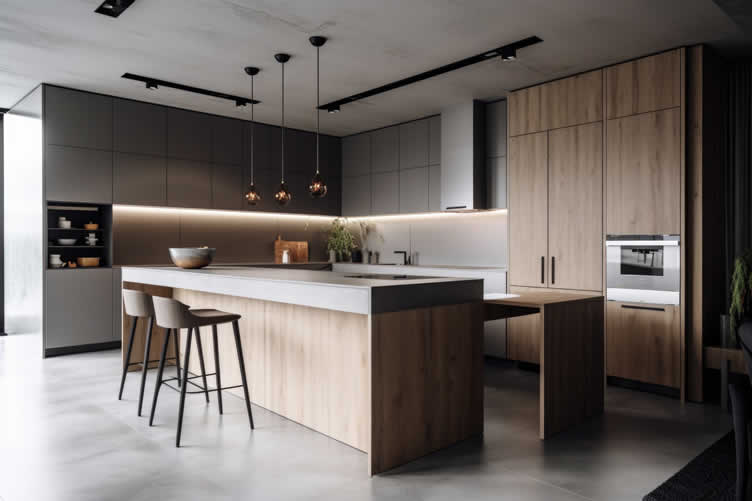
In the realm of kitchen design, minimalism has emerged as a powerful trend that champions simplicity, clean lines, and purposeful living. Originating from the notion that "less is more," minimalist kitchens emphasize functionality, space optimization, and an uncluttered aesthetic.
This design approach creates a serene and visually appealing environment, making daily kitchen tasks more enjoyable and efficient.
-
Declutter Your Space
The cornerstone of minimalist design is the absence of clutter. Begin by evaluating your kitchen items and ask yourself which ones are essential.
Donate or store away gadgets, utensils, and cookware that are seldom used. Invest in smart storage solutions like pull-out shelves, drawer dividers, and cabinetry to keep your countertops clear and organized.
This ensures that only the most necessary and frequently used items are within easy reach.
-
Opt for Neutral Color Palettes
A minimalist kitchen often features a neutral color palette dominated by shades such as white, gray, and beige. These colors promote a calm and cohesive look. Incorporate these hues in your cabinetry, walls, and countertops.
To prevent the space from feeling sterile, consider adding subtle textures—think matte finishes, natural wood grains, or stone surfaces. These elements add depth and interest without overwhelming the simplicity of the design.
-
Streamlined Cabinetry and Hardware
When selecting cabinetry and hardware for a minimalist kitchen, opt for designs with clean lines and a streamlined appearance. Flat-panel or slab-door cabinets are ideal choices, as they contribute to the sleek aesthetic.
Handle-less cabinets or those with minimalist hardware like slim metal pulls help maintain a seamless look. The goal is to create a harmonious and unobtrusive cabinetry system that blends effortlessly with the overall design.
-
Embrace Open Shelving
Open shelving can be a practical and stylish addition to a minimalist kitchen. It provides easy access to everyday items and encourages careful curation of dishware and decor.
Select a few beautiful, functional pieces to display, and keep the rest stored out of sight. Open shelving also opens up the space, making the kitchen feel larger and more airy.
-
Focus on Quality and Functionality
In a minimalist kitchen, every element should serve a purpose. Choose high-quality appliances and fixtures that offer superior performance and durability.
Prioritize multi-functional items, such as a kitchen island with built-in storage or a cooktop with integrated ventilation. This focus on quality over quantity ensures that your kitchen remains efficient and elegant.
copyright image by 123rf.com

-
-
2nd TERM: Tech-Integrated Kitchens
In the ever-evolving world of kitchen design, tech-integrated kitchens have emerged as a highly sought-after trend.
By blending cutting-edge technology with smart design principles, these kitchens offer unparalleled convenience, efficiency, and modern appeal. From smart appliances to seamless connectivity, a tech-integrated kitchen can transform your culinary experience and streamline everyday tasks.
-
Smart Appliances
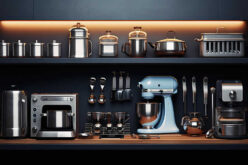
The cornerstone of any tech-integrated kitchen is smart appliances. These high-tech devices connect to your home’s Wi-Fi network, allowing you to control them via smartphone apps or voice commands.
Consider installing a smart refrigerator with a touchscreen interface that provides recipes, shopping lists, and even interior cameras to see what you need while you’re at the store.
Smart ovens can preheat automatically based on your schedule, while induction cooktops adjust cooking temperatures precisely for perfect results.
-
Voice-Activated Assistants
Incorporating a voice-activated assistant, such as Amazon Alexa or Google Assistant, can significantly enhance the functionality of your kitchen.
Use voice commands to set timers, play music, control smart appliances, or even check the weather while you’re prepping a meal. By integrating these assistants with other smart devices, you can create a smooth and effortless cooking experience.
-
Smart Lighting
Smart lighting systems bring both functionality and ambiance to your tech-integrated kitchen. Install smart bulbs or LED strips that can be controlled via an app or voice commands.
You can customize the lighting to match different times of the day or set scenes for various activities, from bright task lighting for meal prep to softer, dimmed lights for a cozy dinner.
-
Connected Cooking Devices
For those who love to cook, connected cooking devices are a game-changer. Smart kitchen gadgets, such as Wi-Fi-enabled sous-vide machines, precision cookers, and digital meat thermometers, allow you to monitor and control cooking processes from your smartphone.
These devices ensure precise and consistent results, taking the guesswork out of cooking and elevating your culinary creations.
-
Integrated Charging Stations
To keep your tech-integrated kitchen running smoothly, consider incorporating integrated charging stations into your design.
Install USB outlets or wireless charging pads on countertops or within cabinets to keep your devices powered and ready to use. This setup helps reduce clutter and keeps your kitchen organized while ensuring all your gadgets are easily accessible.
-
Energy Efficiency
Tech-integrated kitchens are not just about convenience—they also promote energy efficiency. Invest in energy-efficient appliances that can monitor and adjust their energy consumption based on use.
Smart thermostats and lighting systems can learn your habits and optimize energy usage, reducing your overall environmental footprint.

copyright image by 123rf.com
-
-
3rd TERM: Sustainable Choices
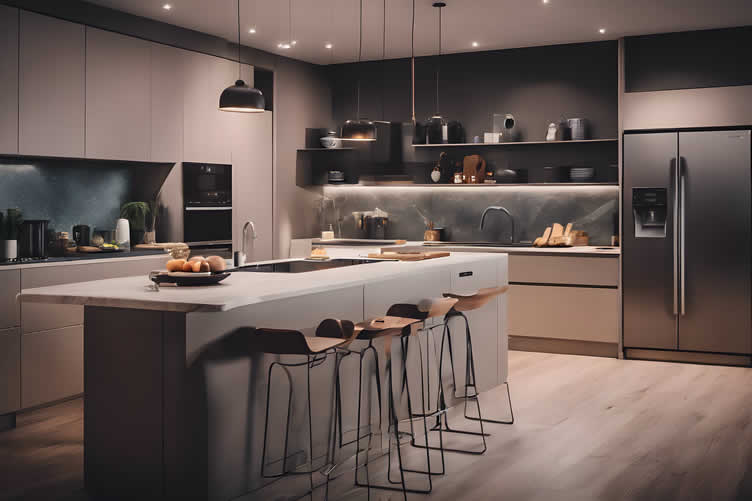
In today’s world, sustainability is at the forefront of many homeowners’ minds, and the kitchen is no exception. Integrating sustainable choices into your kitchen design not only benefits the environment but can also lead to long-term cost savings and a healthier living space.
Here’s how to implement sustainable practices in your kitchen effectively.
-
Eco-Friendly Materials
Opt for eco-friendly materials when designing or renovating your kitchen. Consider using sustainably sourced wood, recycled glass countertops, or bamboo cabinetry.
These materials are not only renewable but also add a unique aesthetic to your kitchen. Ensure that any wood products come from certified sustainable forests to minimize environmental impact.
-
Energy-Saving Appliances
Investing in energy-saving appliances is one of the most effective ways to create a sustainable kitchen. Look for ENERGY STAR-rated refrigerators, dishwashers, and ovens.
These appliances have been tested and certified to use less energy without sacrificing performance. Additionally, consider smart appliances that can adapt their energy consumption based on your usage patterns.
-
Water Conservation
Water conservation is another crucial aspect of a sustainable kitchen. Install low-flow faucets and efficient dishwashers to reduce water waste.
You can also consider integrating a graywater system that recycles water from sinks and dishwashers for use in irrigation or toilet flushing. These steps not only conserve water but also lower your utility bills.
-
Waste Reduction
Reducing waste in the kitchen starts with mindful purchasing and proper waste management. Buy in bulk to minimize packaging waste and opt for reusable containers for storage.
Composting organic waste can significantly reduce the amount of rubbish sent to landfills and provide rich fertilizer for your garden. Implement a systemic recycling station to separate and recycle paper, plastic, and glass effectively.
-
Lighting Solutions
Finally, make sustainable lighting choices to complement your eco-friendly kitchen. LED bulbs use significantly less energy than traditional incandescent bulbs and last much longer.
Incorporate natural light as much as possible through skylights or large windows, reducing the need for artificial lighting during the day. Smart lighting systems can also help by automatically adjusting brightness based on the time of day and room occupancy.
AI generated image by 123rf.com
-
-
4th TERM: Multi-Functional Spaces
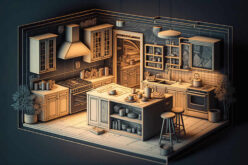
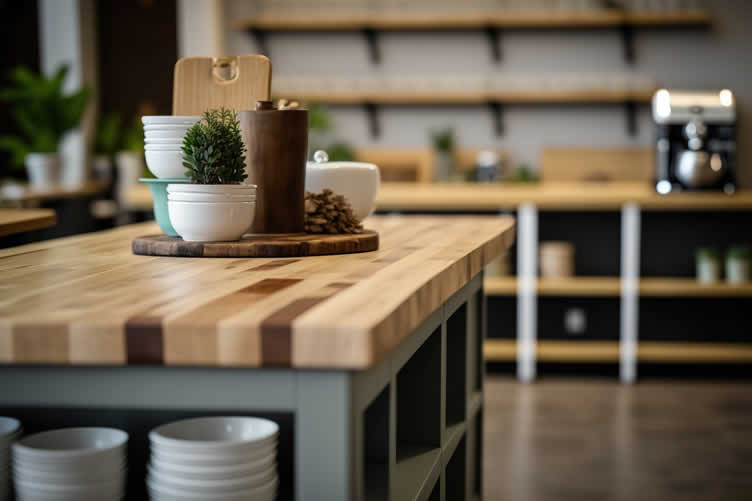
Creating a multi-functional kitchen is a growing trend that maximizes the utility and versatility of the space. By designing a kitchen that serves multiple purposes beyond cooking, you can create a more dynamic and efficient environment tailored to modern living.
Here are a few ways to implement a multi-functional kitchen:
-
Integrated Dining Areas
Transform a section of your kitchen into a cozy dining nook to facilitate family meals and casual gatherings. Incorporate a bench with storage underneath to save space and add functionality.
Use a foldable or extendable table that can be adjusted according to the number of guests. This not only makes the kitchen more versatile but also encourages communal dining and social interaction.
-
Built-In Workspaces
In an era where working from home has become more prevalent, incorporating a dedicated workspace within the kitchen can be a game-changer. Install a small desk or a pull-out work surface that can be easily stowed away when not in use.
Ensure adequate lighting and nearby electrical outlets to make the space conducive to productivity. This setup allows you to multi-task efficiently, combining work and household activities seamlessly.
-
Multi-Purpose Islands
The kitchen island is a prime candidate for multi-functionality. Opt for designs that include built-in appliances such as stovetops, sinks, or ovens to free up countertop space elsewhere.
Include additional features like a breakfast bar, wine rack, or bookshelves for cookbooks to maximize the island’s utility. Some islands even come with extendable sections that can be utilized for dining or as an extra prep area.
-
Hidden Storage Solutions
Efficient storage is key to a multi-functional kitchen. Think beyond traditional cabinets and drawers by installing hidden storage solutions.
Toe-kick drawers, pull-out shelves, and corner units can help you make the most of every inch of space. Concealed storage keeps the kitchen clutter-free, allowing it to transition easily from a cooking area to an entertainment or work zone.
-
Flexible Layouts
Creating a flexible layout that can adapt to various needs is essential in a multi-functional kitchen. Consider open-plan designs that allow for easy movement and interaction between different zones.
Movable furniture, such as portable islands or rolling carts, offers flexibility and can be reconfigured as needed. This adaptability ensures that your kitchen can handle everything from meal prep and dining to socializing and working.
copyright image by 123rf.com
-
-
5th TERM: Colorful Cabinets
Adding a splash of color to your kitchen through vibrant cabinets is an exciting trend that is gaining popularity.
With the ability to transform the room into a lively and inviting space, colorful cabinets can reflect your personal style and make your kitchen a focal point of your home.
-
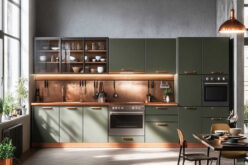
Choosing the Right Colors
When selecting colors for your kitchen cabinets, consider the atmosphere you want to create. Bold hues like navy blue, emerald green, or ruby red can add a dramatic flair, while softer shades such as pastel blue, sage green, or blush pink bring a soothing and contemporary feel.
It’s essential to choose colors that complement your overall home decor and kitchen appliances.
-
Combining Colors and Finishes
To prevent the kitchen from looking too overwhelming with the use of multiple colors, think about using a combination of hues and finishes to create a balanced look.
You might choose a primary color for the upper cabinets and a contrasting one for the lower cabinets, or mix and match matte and gloss finishes to add depth and interest. An accent wall or colorful backsplash can also tie the look together seamlessly.
-
Incorporating Color in Existing Kitchens
For those not looking to renovate entirely, there are ways to introduce colorful cabinets into your existing kitchen design. Consider painting your current cabinets with a fresh, vibrant color for an immediate update.
Another option is to replace a few cabinet doors with ones in different shades, creating a playful and dynamic look without a complete overhaul.
-
Accessorizing with Color
Don’t forget that accessories can enhance the colorful cabinet trend. Coordinate your kitchen hardware, such as handles and knobs, with the cabinet colors for a cohesive appearance.
Additionally, colorful kitchen towels, small appliances, and decorative pieces can reinforce your chosen palette and bring the whole design together.
Embracing colorful cabinets in your kitchen is a bold design choice that can personalize your space and make it uniquely yours.
With careful planning and creative implementation, your colorful kitchen will not only be stylish but also a true reflection of your personality.
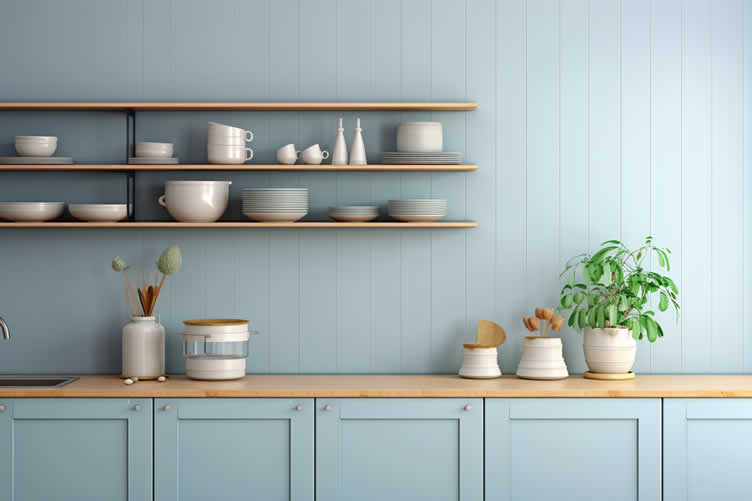
copyright image by 123rf.com
[ pinterest: kitchen cabinet paint ]
[ amazon: cabinet painting kits ]
-
-
6th TERM: Statement Backsplashes
Statement backsplashes have swiftly become a popular trend in kitchen design, captivating homeowners with their ability to infuse a space with character and style.
These eye-catching elements go beyond mere functionality, serving as a focal point that can dramatically transform the look and feel of any kitchen.
-
Choosing the Right Materials
The first step in creating a statement backsplash is selecting the right materials. Popular choices include mosaic tiles, glass, and natural stone, each offering distinct textures and visual appeal.
Mosaic tiles can add intricate patterns and vibrant colors, while glass provides a sleek, modern touch. Natural stone exudes timeless elegance and can introduce a rustic charm into the kitchen.
-
Playing with Patterns
Incorporating patterns is an excellent way to make a backsplash stand out. Geometric designs, herringbone layouts, and Moroccan-inspired motifs are all trending options.
These patterns can add visual interest and a sophisticated flair to your kitchen. Experiment with different arrangements and color combinations to find the perfect match for your overall design scheme.
-
Bold Color Choices
Don’t shy away from bold color choices when creating a statement backsplash. Rich jewel tones, deep blues, and vibrant greens can make a powerful impact and add a dramatic contrast to neutral cabinetry and countertops.
For a more cohesive look, choose colors that complement other elements in your kitchen, such as your cabinetry or appliances.
-
Combining Textures and Finishes
Mixing textures and finishes can elevate the visual complexity of your backsplash. Combine glossy tiles with matte finishes or mix different materials like metal and glass for an eclectic look.
This approach adds depth and dimension, making the backsplash not just a background element but a central feature of the kitchen design.
-
Installation and Maintenance Tips
Installing a statement backsplash may require professional assistance to ensure perfect alignment and adhesion.
Proper sealing, especially for materials like natural stone, is essential to protect against moisture and stains. Regular cleaning and maintenance will keep your backsplash looking pristine and extend its lifespan.
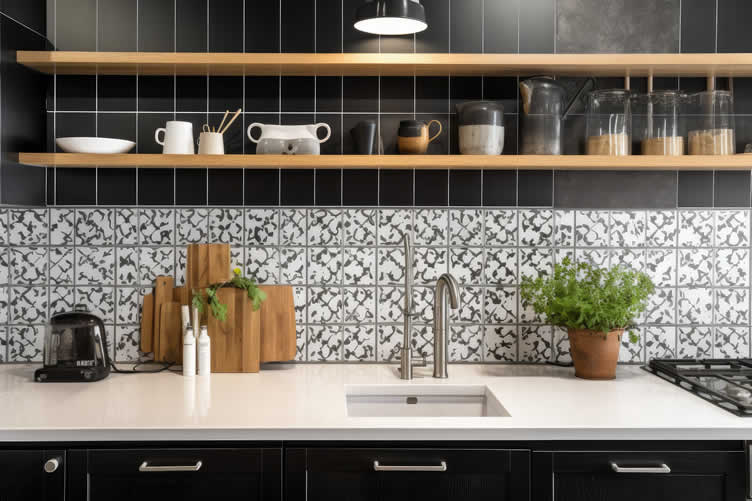
copyright image by 123rf.com
[ view images: kitchen backsplash ideas ]
[ pinterest: types of kitchen backsplash ]
-
-
7th TERM: Warm Metals
Incorporating warm metals into your kitchen design is a surefire way to add a touch of luxury and sophistication.
Warm metals like gold, brass, and copper are making a significant comeback, offering a rich, inviting contrast to the cooler tones often found in kitchen decor.
These metals not only enhance the visual appeal but also bring warmth and character to the space.
-
Selecting the Right Warm Metal
Choose a warm metal that best complements your kitchen’s overall aesthetic. Gold and brass can impart a classic, timeless appeal, while copper introduces a rustic, earthy vibe.
Consider the existing color palette and style of your kitchen when making your selection to ensure a harmonious blend.
-
Incorporating Warm Metals in Fixtures
One of the simplest ways to introduce warm metals is through fixtures. Think about updating your kitchen faucets, cabinet handles, and drawer pulls with options in gold, brass, or copper.
These small changes can make a big difference, adding a cohesive look without overwhelming the space.
-
Using Warm Metals in Backsplashes
Create a statement by installing a warm metal backsplash. Whether you choose a solid metal sheet or tiles with metallic accents, a warm metal backsplash can become a focal point in your kitchen.
It reflects light beautifully, adding brightness and depth to the room.
-
Warm Metals in Lighting
Lighting fixtures are another opportunity to incorporate warm metals. Pendant lights, chandeliers, or under-cabinet lighting featuring gold, brass, or copper finishes deliver an elegant touch.
The warm glow from these metals enhances the lighting effect, creating a welcoming and stylish atmosphere.
-
Balancing Warm Metals with Other Elements
To prevent the space from feeling too metallic or overly ornate, balance warm metals with other materials.
Pair them with natural elements like wood, stone, or neutral tones to create a grounded and well-rounded design. This combination ensures that the warm metals stand out while harmonizing with the rest of your kitchen decor.
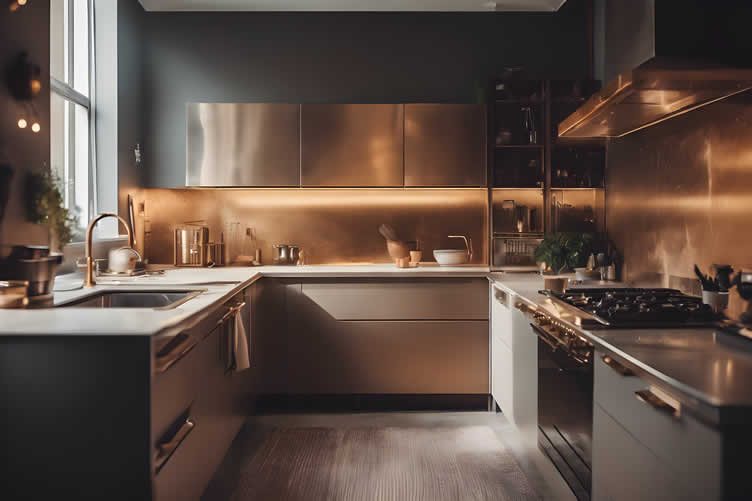
AI generated image by 123rf.com
[ view diagram: kitchen warm metal decor ]
[ amazon: metal wall clock ]
-
-
8th TERM: Practical Tips for Implementation
Introducing warm metals into your kitchen can transform your space into an area of modern elegance and timeless charm.
Implementing these elements can seem daunting, but by following practical tips, you can achieve a stunning and cohesive kitchen.
Let’s dive into some actionable strategies to help you seamlessly integrate warm metals into your kitchen decor.
-
Start Small with DIY Projects
If you’re new to incorporating warm metals into your kitchen, beginning with small, manageable DIY projects can be a great way to start. Consider updating cabinet handles, drawer pulls, or light fixtures with brass or copper options.
These minor changes can instantly refresh the look of your kitchen without requiring a significant investment of time or money. Additionally, using metallic paint to accentuate picture frames or other small decorative items can add a subtle hint of warmth and style.
-
Focus on High-Impact Areas
To make a substantial difference without a complete kitchen overhaul, concentrate on high-impact areas. Kitchen islands, backsplashes, and range hoods are perfect focal points for incorporating warm metals.
A copper sink or a brass faucet can become the centerpiece of your kitchen, offering both functionality and elegance. These strategic changes draw the eye and set the tone for the rest of the decor.
-
Prioritize Functionality
While aesthetic appeal is important, practicality should never be overlooked. When selecting metal fixtures and accessories, prioritize items that are easy to clean and maintain.
Opt for surfaces that resist staining and tarnishing to ensure longevity. Stainless steel appliances or specially coated brass fixtures can combine beauty with functionality, offering a practical solution for a busy kitchen environment.
-
Seek Professional Help When Needed
For more extensive renovations or if you’re unsure about your design choices, consulting a professional can be invaluable. Designers can provide curated recommendations that align with your vision while considering the nuances of your kitchen space.
Their expert advice can ensure a cohesive design, helping you avoid costly mistakes and ultimately create the kitchen of your dreams.
Don’t hesitate to seek help when planning significant updates or if you’re striving for a particularly intricate or custom look.
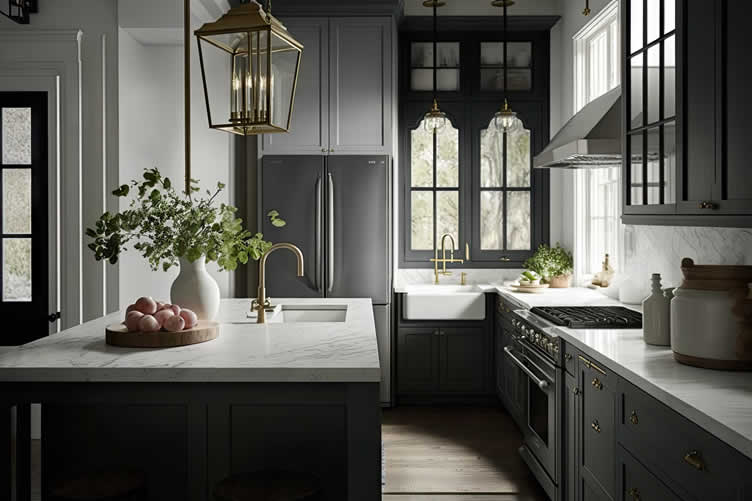
copyright image by 123rf.com
Step 1: Analyze the NumbersBefore you start any kitchen remodeling project, run some financial numbers to determine whether your kitchen renovation is a smart investment.
The numbers include the estimated costs, home value assessment, financing costs, and other related calculations.
Review these cost-related issues to kitchen remodeling vs. buying a new home.
links to internal page (opens new win)
analyze the numbers estimate the cost of your project start assembling a budget get your home value Step 2: Collect IdeasThe 2nd step for planning a new year kitchen renovation is deciding what you would like to do.
Will it be a –
- redesigning the kitchen,
- replacing the kitchen cabinets/counter,
- putting in an island,
- replacing your sink and faucet,
- buying new appliances,
- re-decorating,
- or something else by referencing this extensive kitchen remodeling guide.
You can find other kitchen &dining ideas by referencing our kitchen analysis and topic directories (opens new win)
view kitchen "ideas" directory view latest "topics" for kitchen dining Step 3: Plan the Needed SpecsStep 3 is sketching your ideas on paper (or digitally) and developing the kitchen spec plan.
The spec plan determines what type of kitchen materials and design considerations that will be needed. It will also contain the product specifications for each kitchen remodeling element.
You will use the spec plan and architectural design to bid the project out to a contractor.
links to internal page (opens new win)
developing the spec plan sketch remodeling plan design considerations Step 4: Find a ContractorStep 4 is finding and negotiating the contract with a kitchen remodeling contractor.
Give your remodeling ideas and specs to a contractor for review and bid analysis. Use the local network (aligned with HomeAdvisor) to find the right contractor for your project.
Review guides for contractor selection and negotiation.
links to internal page (opens new win)
search kitchen contractors selecting your contractor checklist contractor negotiations contractor evaluation form Step 5: Financing Your ProjectStep 5 is arranging financing once you selected the contractor and finalized the contract for your project.
Using the equity value in your home is one of the best financing option for kitchen renovation. Start with a home equity line of credit or use the bank equity program.
Other options may include cash-out refinancing, personal savings, and/or financing from home improvement contractors.
links to internal page (opens new win)
financing options getting qualified for financing negotiate rates Step 6: Manage the ProjectStep 6 is where the project begins.
It starts with setting up the work area, removing everything that needs to be replaced, installing plumbing and electrical if needed, putting in the final touches, etc.
It also means working with the contractor, managing the project, and getting the remodeling project inspected before releasing any funds.
links to internal page (opens new win)
working with the contractor managing remodeling project about a home project inspections find home inspector -
-
Conclusion
Updating your kitchen with trending ideas can make it more appealing and functional. From minimalist designs and tech-integrated spaces to sustainable choices and multi-functional areas, there’s something for everyone.
Remember to start small, focus on high-impact areas, and seek professional help when needed.
We’d love to hear your kitchen makeover stories! Share your experiences or ask questions in the comments below. And don’t forget to grab our ideas reference guide for quick links to more home design tips and inspiration.
-
Quick scroll to more interior home and decor ideas …

-
ideas to view and compare from the photo above
- What comments can you share about recommended
kitchen design ideas that you have installed?

addressing transforming your kitchen and other home improvement needs …

… grab this directory of ideas for future use




Budgeting Worksheet For Costing Kitchen Upgrades and Home Improvement Decisions
 File Type (excel)


plan the specifications you need for making …

… key kitchen design updates and other remodeling decisions
… view illustration “becoming a bank”

Find Kitchen Remodeling Services Kitchen Remodeling and Design Cabinets & Countertops Flooring Lighting Design Painting & Staining top-rated, pre-screened local contractors FREE: download contractor selection enter zip code – powered by HomeAdvisor ™
Quick Contractor Guides selecting negotiating working with inspecting

Cover image credit: kitchen design ideas by 123rf.com
end of post … please share it!
 |
did you find these kitchen design ideas analysis helpful? If so, please share the article with your friends and family! |
Nice pic idea? Leave us a quick comment below.
And please share this pic idea within your social networks.