Summary Outline –
A pest-free home is not merely a matter of comfort and aesthetics; it’s crucial for health, safety, and environmental balance. For homeowners, gardeners, and environmental enthusiasts, maintaining a pest-free environment can be both a rewarding and challenging task.
This guide aims to provide you with effective methods for ensuring your home remains pest-free, leveraging eco-friendly and sustainable practices.
- post content … analysis/ effective methods for a pest-free home
- 1st: Understanding Common Household Pests
- 2nd: Preventative Measures for a Pest-Free Home
- 3rd: Natural Eco-Friendly Pest Control Prevention
- 4th: Chemicals for Household Pest Control and Prevention
- 5th: Integrated Pest Management (IPM) Techniques
- 6th: Smart Technology in Household Pest Control
- 7th: When to Seek Professional Pest Control Services
- 8th: What Pest Control Services Provide
- conclusion
- other home utility management topics

-
- —— begin first topic ——
-
1st Pest-Free: Understanding Common Household Pests
In any household, pests can range from mere nuisances to serious health hazards. Understanding the common types of pests can help in identifying and applying appropriate control measures. This section delves into the characteristics, habits, and potential threats posed by frequent household invaders.
-
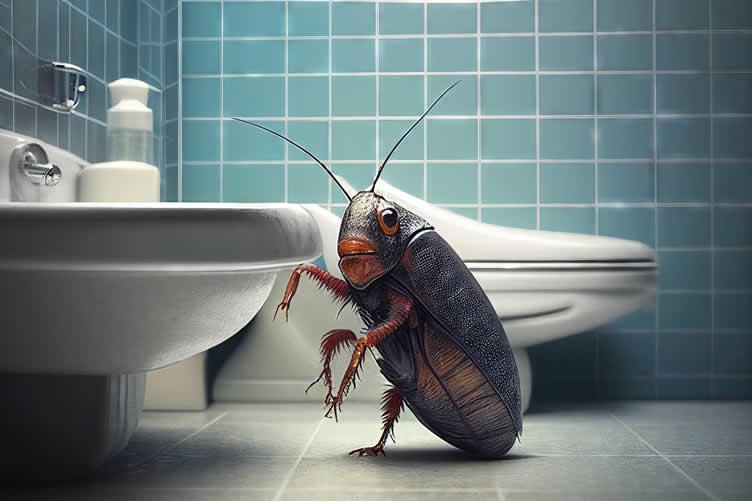
Cockroaches
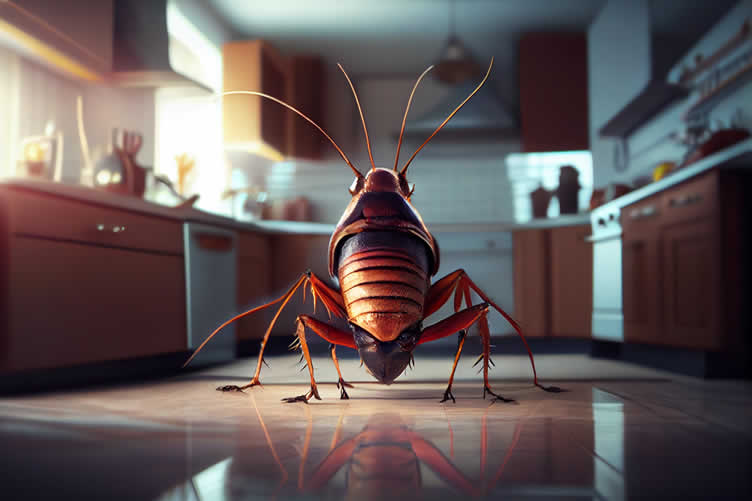
Cockroaches are among the most reviled household pests due to their association with unsanitary conditions. These resilient insects can survive in a variety of environments, thriving in dark, warm, and humid places such as kitchens and bathrooms.
Cockroaches carry multiple pathogens and allergens, posing health risks such as food poisoning, asthma, and allergies. Effective control involves maintaining cleanliness, sealing entry points, and using baits and insecticides.
-
Ants
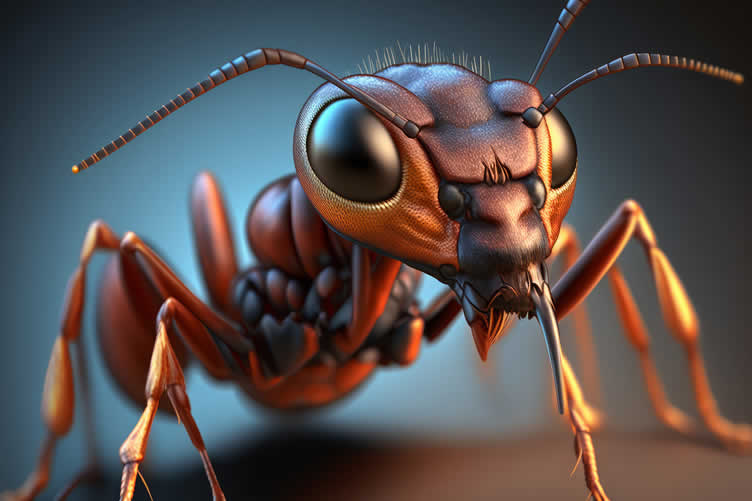
Ants are social insects that live in organized colonies and are often seen marching in long trails across countertops and floors. They enter homes in search of food and water, and some species may even damage property.
Common species include carpenter ants, which can weaken wooden structures, and odorous house ants, known for the foul smell they emit when crushed. Control strategies include removing food sources, sealing entry points, and using ant baits designed for specific ant species.
-
Rodents
Rodents, such as mice and rats, are notorious for their ability to infiltrate homes through tiny openings. They are not only destructive, gnawing through wires, insulation, and food packaging, but also carry diseases like hantavirus and salmonella.
Signs of rodent infestation include droppings, gnaw marks, and nests made of shredded materials. Effective rodent control includes sealing entry points, setting traps, and possibly employing professional pest control services.
-
Bed Bugs
Bed bugs are small, nocturnal insects that feed on human blood, typically at night. They are often found in mattresses, bed frames, and other furniture. Bed bug bites can cause itching, red welts, and in some cases, allergic reactions.
Because bed bugs can spread rapidly, control often involves thorough cleaning, vacuuming, and the use of insecticide treatments. In severe cases, professional pest control services may be necessary.
-
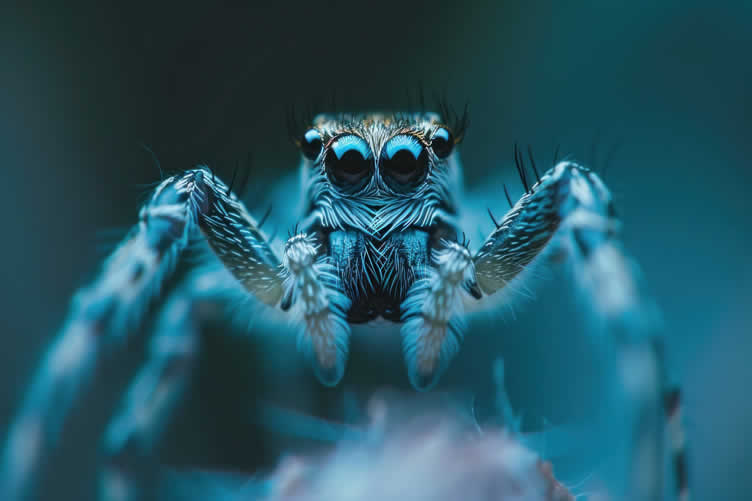
Spiders
Spiders can be both beneficial and a nuisance. While most spiders help control other pests by preying on insects, their presence can be unsettling to many homeowners.
Common household spiders include cellar spiders, which create messy webs, and house spiders, which are often found in corners and crevices. Control measures focus on reducing clutter, sealing entry points, and removing webs to discourage spider habitation.
-
Termites
Termites are wood-destroying insects that can cause significant damage to homes and structures. They feed on cellulose found in wood and other plant materials, often going undetected until serious damage has occurred.
Signs of termite infestation include mud tubes on exterior walls, hollow-sounding wood, and discarded wings. Effective termite control involves removing moisture sources, fixing leaks, and using termiticide or bait systems.
In most cases, professional pest control services are necessary to effectively eliminate a termite infestation.
-
Carpenter Ants
Carpenter ants are large ants known for their ability to excavate wood to create intricate nest galleries. Unlike termites, they do not consume wood; instead, they remove it to establish their nests, which can lead to structural damage over time. Carpenter ants are often attracted to moist or decaying wood, making homes with water damage particularly susceptible.
Signs of a carpenter ant infestation include piles of wood shavings, rustling noises within walls, and the sighting of large, black or red ants. Control strategies involve eliminating moisture sources, replacing damaged wood, and using baits or insecticides to target the ants.
-
Carpenter Bees
Carpenter bees are large, solitary bees that burrow into wood to create their nests. Unlike termites, they do not eat the wood but rather excavate it to lay their eggs. This can result in structural damage, especially in untreated or weathered wood.
Signs of carpenter bee activity include round holes in wooden surfaces and sawdust-like debris. Control methods include filling existing holes, applying insecticides, and using physical barriers to prevent access to wooden structures. Professional pest control services can provide more effective and long-lasting solutions.
-
Silverfish
Silverfish are small, wingless insects with a silvery sheen and fish-like movements. They thrive in damp, dark environments such as basements, bathrooms, and kitchens, where they feed on starchy materials like paper, glue, and textiles.
Signs of silverfish activity include small holes in books, wallpaper, and clothing. Control methods include reducing humidity, sealing cracks and crevices, and using traps or insecticides to eliminate these pests.
-
Other Common Pests
Other common household pests can be a nuisance and, in some cases, carry diseases that impact family health and well-being. These include:
-
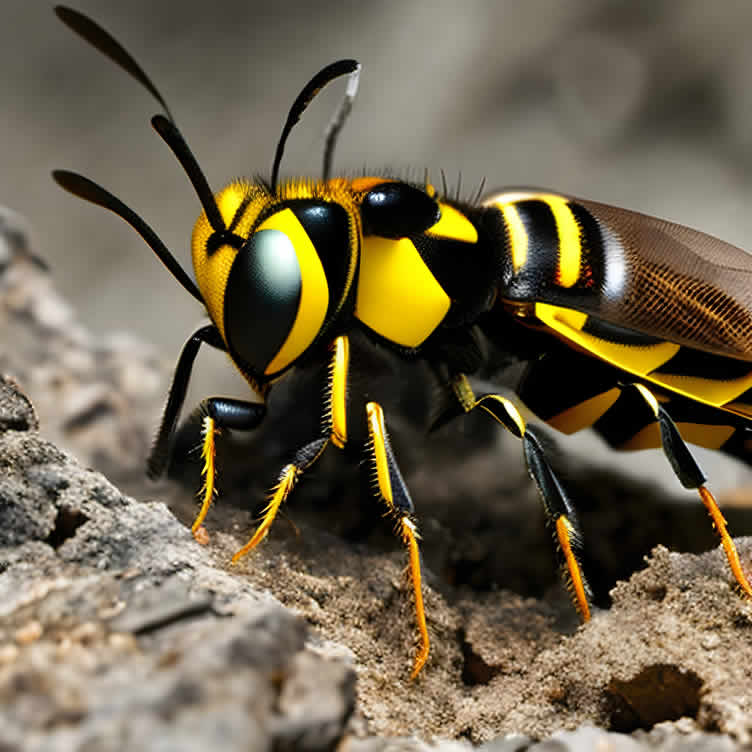
Wasps
Wasps are flying insects that can be a nuisance, especially during the warmer months. They build nests in sheltered areas including eaves, attics, and trees. -
Stink Bugs
Stink bugs are shield-shaped insects that can become household nuisances, particularly in the fall when they seek warmth indoors. When disturbed, they emit a foul odor as a defense mechanism. -
Moths
Moths, particularly the larvae, can cause significant damage to household items such as clothing, carpets, and stored food. -
Mosquitoes
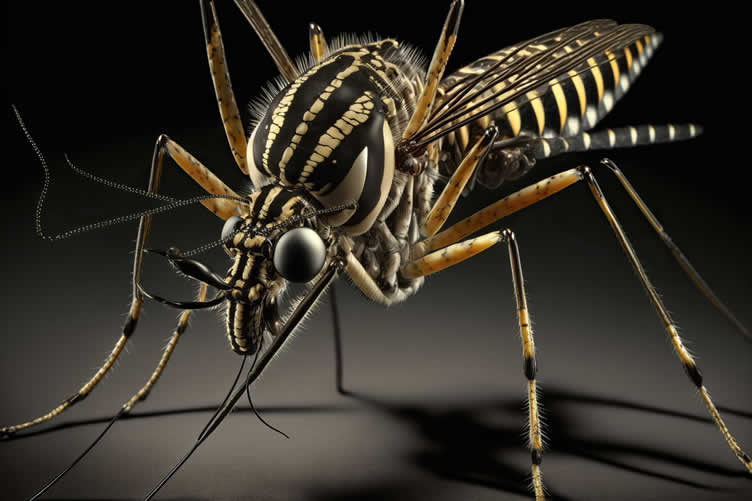
Mosquitoes are not only irritants, but they also pose serious health risks as carriers of diseases such as West Nile virus, dengue fever, and malaria. -
Houseflies
Houseflies can be a major nuisance and are capable of spreading diseases by contaminating food and surfaces.
-
Awareness and early detection of these common pests are essential for effective pest management. By understanding their behaviors and implementing targeted control strategies, homeowners can maintain a healthier and more enjoyable living environment.
copyright image by 123rf.com
[ view diagram: common household pests ]
[ images: how to identify common house bugs ]

-
-
2nd Pest-Free: Preventative Measures for a Pest-Free Home
Preventative measures are crucial in maintaining a pest-free home. These measures can be broadly categorized into natural eco-friendly methods, chemical methods, and Integrated Pest Management (IPM).
-
Natural Eco-Friendly Methods …
focus on using organic and non-toxic substances to deter pests. Common strategies include using essential oils, diatomaceous earth, and introducing beneficial insects to control pest populations naturally.
[ see topic below: natural eco-friendly methods ]
-
Chemical Methods …
involve the use of pesticides and other chemicals to eliminate and control pests. While effective, these methods require careful application to prevent harm to humans, pets, and the environment.
[ see topic below: chemical methods ]
-
Integrated Pest Management (IPM) …
is a comprehensive approach that combines multiple strategies to manage pests effectively. It involves monitoring pest activity, using the least harmful control methods, and employing chemical treatments as a last resort.
[ see topic below: integrated pest management (IPM) ]
Each of these preventative measures will be discussed in detail below, providing homeowners with a range of options to create a safer and healthier living space.

copyright image by 123rf.com
-
-
3rd Pest-Free: Natural Eco-Friendly Pest Control Prevention
Adopting natural eco-friendly pest control measures is an excellent strategy for homeowners looking to protect their homes from pests while preserving the environment.
These methods prioritize the use of organic and non-toxic substances, ensuring that the control measures do not adversely affect human health, pets, or the surrounding ecosystem. By leveraging natural deterrents and beneficial insects, homeowners can create a balanced and pest-free living environment.
-
Essential Oils
Essential oils are a popular natural deterrent for various pests. Oils such as peppermint, eucalyptus, lavender, and tea tree have strong fragrances that repel insects like mosquitoes, ants, and spiders.
Homeowners can create a simple spray by diluting a few drops of the essential oil in water, and then applying it to areas prone to pest activity. For example, peppermint oil is particularly effective against ants and spiders, while lavender oil can ward off moths and mosquitoes.
Household Essential Oils
Peppermint Effective against ants, spiders, and mosquitoes. shop Eucalyptus Known to repel mosquitoes, ticks, and fleas. shop Lavender Can deter moths, mosquitoes, and flies. shop Tea Tree Useful for keeping away ants, bed bugs, and lice. shop Lemon Known to repel fleas, roaches, and ants. shop Citronella Commonly used to ward off mosquitoes. shop Rosemary Can prevent infestations of fleas and flies. shop Neem Repel a variety of garden pests including aphids and whiteflies. shop Herbs
Basil Repels flies and mosquitoes. shop Mint Effective against ants, mosquitoes, and mice. shop Rosemary Useful in deterring flies, mosquitoes, and cabbage moths. shop Sage Can help repel flies and mosquitoes. shop Thyme Known to deter cabbage worms and whiteflies. shop Lemongrass Naturally repels mosquitoes. shop Chrysanthemums Contains pyrethrum, which is used in natural insecticides. shop Using these essential oils and herbs, homeowners can create an inhospitable environment for pests, thereby reducing the likelihood of infestations without resorting to toxic chemicals.
-
Natural Barriers
Using natural barriers and to prevent and control household pests is an environmentally-friendly approach that leverages simple yet effective techniques to keep your home pest-free. These methods often involve creating physical obstacles or using natural substances to deter pests, making them an excellent alternative to chemical-based solutions.
By employing natural barriers, homeowners can protect their living spaces from unwanted invaders like insects and rodents without compromising safety or health.
This approach not only helps maintain a balanced ecosystem but also reduces the reliance on synthetic pesticides, contributing to a more sustainable household.
Examples of Natural Barrier Methods
Caulking n’ Sealing Inspect and seal cracks around windows, doors, and foundations to prevent pests such as ants, spiders, and cockroaches from entering the home. shop Weather Stripping Install weather stripping around doors and windows to block insects and rodents from gaining entry. shop Mesh Screens Fit fine mesh screens on windows and vents to keep out flying insects like mosquitoes and flies while allowing fresh air to circulate. shop Door Sweeps Attach door sweeps to the bottom of exterior doors to eliminate gaps where insects and small rodents might enter. shop Copper Mesh Use copper mesh or steel wool to fill gaps around pipes and openings, deterring mice and rats that might chew through other materials. shop Physical Barriers Place physical barriers such as collars, plant guards, or netting around garden plants to protect them from pests like snails, slugs, and rabbits. shop Diatomaceous Earth Sprinkle diatomaceous earth along window sills, under sinks, and around the foundation perimeter; it acts as a natural repellent for crawling insects such as roaches and ants. shop Cinnamon Sticks Lining windowsills and doorways with cinnamon sticks can deter ants and other small insects. shop Vinegar Spraying a mixture of vinegar and water around areas where pests are prevalent can keep them at bay. This is particularly effective against ants. shop Copper Tape Placing copper tape around the edges of flowerpots, countertops, and other surfaces can act as a barrier to repel slugs, snails, and even ants.
The tape creates an unpleasant electrical charge when pests attempt to cross it, effectively deterring them from entering your home.
shop Employing these natural barrier methods can significantly reduce the likelihood of pest invasions, thereby maintaining a healthier and more comfortable living environment.
-
Using Natural Household Traps
When it comes to managing pest problems at home, natural household traps offer an effective, eco-friendly solution. Unlike chemical-based methods, these traps leverage natural materials and mechanisms to capture and eliminate pests without introducing harmful toxins into your living space.
Natural household traps can be designed to target a variety of common pests, including insects and rodents, making them versatile tools in your pest control arsenal.
By employing these traps, you can mitigate the presence of unwanted critters while fostering a safer and more environmentally-friendly home environment.
Examples of Natural Traps
Sticky Traps Place sticky traps around areas frequented by insects such as roaches and spiders to capture them on contact.
These traps are easy to use and can be discreetly positioned in corners or under appliances.
shop Pheromone Traps Use pheromone traps to attract and capture specific insect species such as moths or beetles.
These traps release a scent that lures pests, effectively reducing their population.
shop Mouse Traps Implement mechanical mouse traps that are designed to humanely capture or kill rodents.
Set these traps near walls, where rodents are likely to travel.
shop Animal Traps For larger pests like squirrels or larger rodents, use live animal traps that allow for the humane capture and relocation of the animal. shop Bed Bug Traps Use bed bug traps to monitor and reduce infestations. These traps use attractants to lure bed bugs and capture them with sticky surfaces or other mechanisms.
Place the traps under bed legs and around sleeping areas to control and monitor activity.
shop Light Traps Install light traps to attract and capture flying insects such as house flies and moths.
These traps use UV light to lure pests into a sticky surface or an electrified grid.
shop Fruit Fly Traps Create simple homemade traps for fruit flies by placing a mixture of apple cider vinegar and a few drops of dish soap in a bowl.
The flies are attracted to the vinegar and drown when they land on the soapy surface.
shop Bee Traps Use bee traps to manage and reduce bee populations around your home if they become a nuisance.
These traps can be bought or homemade, using sweet baits like sugar water or fruit to attract the bees.
shop Snap Traps Traditional snap traps can be used to quickly catch and kill mice and other small rodents.
Place these traps along walls and in areas where rodent activity is noticed.
shop These natural traps provide an additional layer of defense, helping to control household pests without relying on chemical treatments. By incorporating these methods alongside essential oils, herb, and diatomaceous earth, homeowners can effectively manage pest populations in an eco-friendly manner.
-
Benefits of Having a Cat for Pest Control
Cats are natural hunters and can be highly effective in controlling rodent populations within the home. By keeping mice, rats, and other small pests at bay, cats contribute to a cleaner and more hygienic living environment.
Beyond their skills as rodent deterrents, their mere presence can act as a psychological barrier to pests considering entering your home. Additionally, cats’ alert and curious nature means they are likely to spot and target insects and other creeping pests, adding another layer of natural pest control.
Having a cat not only provides companionship but also integrates seamlessly into an eco-friendly approach to managing household pests without the need for harmful chemicals.
-
Beneficial Insects
Introducing beneficial insects into the garden or home environment is another effective natural pest control method. Beneficial insects like ladybugs, predatory beetles, and parasitic wasps naturally prey on harmful pests such as aphids, caterpillars, and whiteflies.
These biological control agents help maintain pest populations at manageable levels without the need for chemical interventions. Homeowners can attract beneficial insects by planting nectar-rich flowers or purchasing them from gardening stores.
AI generated image by 123rf.com
[ youtube: naturally keep pests out of your house ]
[ youtube: eco friendly pest control ]
-
-
4th Pest-Free: Chemicals for Pest Control and Prevention
While natural methods can be effective, there are situations where chemical solutions become necessary for controlling and preventing household pests. These chemicals are specially formulated to target specific pests, ensuring a more immediate and lasting impact.
When used responsibly, chemical pest control can complement eco-friendly methods, offering a multi-faceted approach to maintaining a pest-free home.
-
Insecticides
Insecticides are chemical substances used to kill insects. They come in various forms, including sprays, powders, and gels.
Common active ingredients in insecticides include pyrethroids, neonicotinoids, and organophosphates, which effectively target a wide range of pests such as ants, cockroaches, and mosquitoes. These chemicals work by disrupting the nervous system of insects, leading to their eventual death.
Insecticides should be used with caution, following label instructions closely to minimize any risks to humans, pets, and beneficial insects.
-
Rodenticides
Rodenticides are designed to control rodent populations, such as mice and rats. These chemical solutions typically include anticoagulants, which cause internal bleeding in rodents after ingestion.
Other types of rodenticides may include neurotoxins or hypercalcemia agents. Rodenticides are available as baits, pellets, or blocks and should be placed in areas where rodents are active.
Due to their potent nature and potential risks to non-target species, it is crucial to use rodenticides responsibly and consider tamper-resistant bait stations to protect children and pets.
-
Fungicides
Fungicides are chemicals that specifically target fungal pests. They are commonly used to prevent and control mold, mildew, and other fungal infections that can damage homes and compromise air quality.
Fungicides can be applied as sprays, powders, or liquid treatments, depending on the affected area. Common active ingredients include chlorothalonil, mancozeb, and copper-based compounds. Proper application and ventilation are necessary to ensure safety while using fungicides.
-
Termiticides
Termiticides are specialized chemicals used to prevent and treat termite infestations. They work by creating a barrier in the soil around a home’s foundation or by directly treating active infestations within wooden structures.
Termiticides come in liquid and bait formulations, with active ingredients such as fipronil, imidacloprid, and hexaflumuron. These treatments are highly effective in eliminating entire termite colonies and protecting homes from structural damage. Professional application is often recommended to ensure thorough coverage and effectiveness.
-
Safety Considerations
While chemical solutions can be effective in pest control, safety considerations must always be a priority. Always read and follow the manufacturer’s instructions, use personal protective equipment like gloves and masks, and ensure adequate ventilation during application.
Store chemicals in their original containers and keep them out of reach of children and pets. Consider integrating chemical and natural pest control methods for a balanced and eco-friendly approach to managing household pests.
-
Summary of Common Chemical Treatments
Ants - Bait Stations (active ingredients: borax, hydramethylnon)
- Liquid Insecticides (active ingredients: bifenthrin, permethrin)
- Granular Insecticides (active ingredients: lambda-cyhalothrin, deltamethrin)
shop Rodents - Rodenticides (active ingredients: bromadiolone, brodifacoum)
- Tracking Powders (active ingredients: diphacinone)
- Fumigants (active ingredients: aluminum phosphide)
shop Cockroaches - Gel Baits (active ingredients: fipronil, hydramethylnon)
- Insect Growth Regulators (IGRs, active ingredients: hydroprene, methoprene)
- Residual Sprays (active ingredients: cyfluthrin, cypermethrin)
shop Termiticides - Liquid Termiticides (active ingredients: fipronil, imidacloprid)
- Bait Systems (active ingredients: hexaflumuron, noviflumuron)
- Wood Treatments (active ingredients: borates)
shop Bedbugs - Pyrethroid Sprays (active ingredients: deltamethrin, beta-cyfluthrin)
- Insect Growth Regulators (IGRs, active ingredients: hydroprene)
- Desiccant Dusts (active ingredients: diatomaceous earth, silica gel)
shop Bees - Insecticidal Dusts (active ingredients: carbaryl, deltamethrin)
- Residual Liquid Insecticides (active ingredients: bifenthrin, cypermethrin)
- Aerosol Sprays (active ingredients: cyfluthrin)
shop
copyright image by 123rf.com
[ view diagram: types pesticides ]
[ images: DIY pest control ]
-
-
5th Pest-Free: Integrated Pest Management (IPM) Techniques
Integrated Pest Management (IPM) is a holistic and sustainable approach to managing pests that combines multiple strategies to minimize the risks to human health and the environment.
Instead of relying solely on chemical treatments, IPM emphasizes the importance of understanding pest biology, monitoring pest populations, and using a range of control tactics to achieve effective pest-free management.
This approach not only reduces the reliance on pesticides but also promotes a healthier living environment.
-
Monitoring and Identification
Monitoring and accurate identification of pests are foundational steps in the IPM process. By regularly inspecting areas where pests are likely to appear, homeowners can detect early signs of infestation and accurately identify the pest species.
This helps in tailoring the most effective management strategies and avoids unnecessary or inappropriate treatments.
- Routine Inspections:
Schedule regular checks of basements, attics, and other susceptible areas. - Landscaping:
Keep shrubs and trees trimmed and away from the house to avoid providing pathways for pests.
- Routine Inspections:
-
Preventive Measures
Preventive measures are crucial in IPM to reduce the chances of pest infestations. This includes sealing entry points, maintaining cleanliness, and managing waste properly.
Regular maintenance of home environments, such as fixing leaks and reducing clutter, can deter pests from settling in. Implementing these measures creates a less favorable environment for pests, making it easier to manage populations.
Practical Tips
- Regular Cleaning:
Keeps pests from finding food and shelter. - Proper Waste Disposal:
Reduces attractants for pests. - Sealing Cracks and Holes:
Prevents access points for pests. - Moisture Control:
Repair leaks and ensure proper drainage to prevent pest-ridden damp areas. - Decluttering:
Reduces hiding spots for pests. - Proper Food Storage:
Keeps food sealed and reduces attractants.
- Regular Cleaning:
-
Biological Control
Biological control involves the use of natural predators, parasites, or pathogens to manage pest populations.
For example, introducing beneficial insects like ladybugs to control aphids or using nematodes to target soil-dwelling pests. This method is environmentally friendly and helps maintain ecological balance by using natural pest enemies.
-
Mechanical and Physical Controls
Mechanical and physical controls involve the use of devices, barriers, or manual techniques to reduce pest numbers. This can include traps, screens, or physical removal of pests.
For example, using mouse traps to catch rodents or placing insect screens on windows to keep flying insects out. These methods can be highly effective when combined with other IPM strategies.
-
Chemical Controls
Chemical controls are used in IPM but are typically considered a last resort. When chemical treatments are necessary, they are selected and applied in a way that minimizes potential risks.
This involves using the least toxic options and applying them in targeted areas to reduce exposure to non-target organisms. Proper application and following label instructions are critical to ensure safety and efficacy.
-
Implementing IPM at Home
Implementing IPM at home involves a series of steps that integrate all of the above techniques. Start by conducting a thorough inspection to identify potential pests and entry points.
Next, employ preventive measures to reduce attractants and improve home maintenance. Use biological and mechanical controls as your first line of defense, reserving chemical treatments for when other methods are insufficient.
Continually monitor pest activity and adjust your strategies as needed, ensuring a dynamic and effective pest management plan.
- Inspection and Monitoring:
Regularly check for signs of pests. - Identification:
Accurately identify the pests to choose the correct control methods. - Prevention:
Use barriers, proper waste management, and seal entry points. - Control:
Employ natural and chemical-free methods first, using pesticides as a last resort.
By adopting IPM techniques, homeowners can achieve sustainable and effective pest control while minimizing their impact on the environment.
This comprehensive approach not only addresses immediate pest issues but also establishes long-pest-free home practices that promote a healthier and more balanced home ecosystem.
- Inspection and Monitoring:
AI generated image by 123rf.com
[ view diagram: integrated pest management ]
[ youtube: what is integrated pest management (IPM) ]
-
-
6th Pest-Free: Smart Technology in Household Pest Control
As technology continues to advance at a rapid pace, households are benefiting from smarter solutions to manage and prevent pest infestations.
Smart technology integrates sophisticated monitoring and automated responses to keep homes pest-free with minimal human intervention. These innovations leverage sensors, data analytics, and connectivity to provide a seamless and efficient pest control experience.
-
Smart Sensors and Monitoring Systems
Smart sensors form the backbone of modern pest control solutions, offering real-time monitoring and detection. These devices can be strategically placed around the home to detect movement, temperature changes, and even specific pest species.
By continuously collecting data, they provide homeowners and pest control professionals with actionable insights.
-
Automated Pest Control Devices
Automated pest control devices utilize advanced technology to respond to pest activity instantly. Examples include smart traps that can capture pests and send notifications to a connected app, and ultrasonic repellents that emit high-frequency sound waves to deter pests effectively.
These devices are designed to work autonomously, ensuring consistent protection without the need for constant oversight.
-
Integrated Pest Management Platforms
Comprehensive pest management platforms integrate various smart gadgets into a unified system. These platforms offer a dashboard interface where homeowners can monitor pest activity, receive alerts, and schedule automated responses.
By leveraging machine learning algorithms, these systems can even predict potential infestations and recommend proactive measures, leading to early intervention and enhanced pest prevention.
-
Environmentally Friendly Options
Several smart technologies also focus on being environmentally friendly by reducing the need for chemical pesticides. For instance, eco-friendly smart traps use pheromones or other natural attractants to lure pests, minimizing the environmental impact.
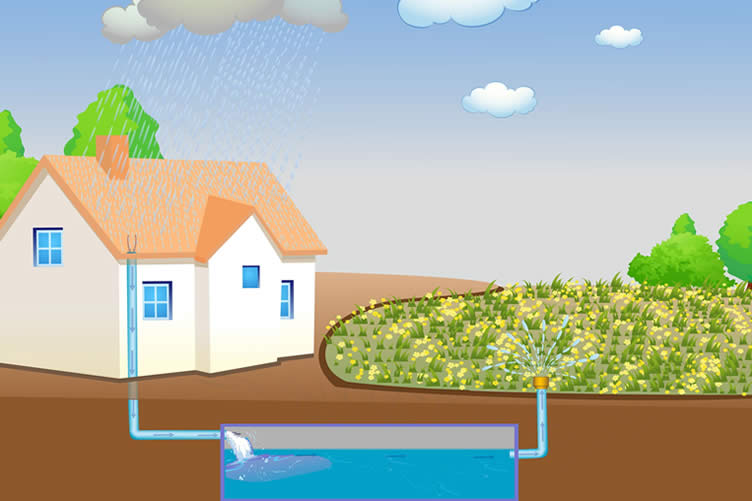
Additionally, smart irrigation systems can prevent over watering, which could otherwise attract pests, by using sensors to optimize water usage efficiently.
-
Smart Home Integration
One of the most significant advantages of smart technology in pest control is its ability to integrate with other smart home systems.
By connecting pest control devices to smart home assistants such as Amazon Alexa or Google Home, homeowners can manage their pest control settings through voice commands or smartphone apps. This integration provides an added layer of convenience and control, enhancing the overall smart home ecosystem.
Incorporating smart technology into household pest control not only improves efficiency and effectiveness but also offers a sustainable and proactive approach to pest management.
With continued innovation, these technologies will likely become even more advanced, providing smarter, safer, and more environmentally friendly solutions for homeowners everywhere.
copyright image by 123rf.com
[ images: smart pest control devices ]
[ youtube: bug proof your house ]
-
-
7th Pest-Free: When to Seek Professional Pest Control Services
While smart technology and DIY methods can effectively manage many pest issues, there are certain situations where professional pest control services become indispensable.
-
One such scenario is when an infestation becomes widespread or severe. Professional pest control services have the expertise, tools, and treatments to handle large-scale infestations efficiently.
-
Additionally, if the pests in question present health risks or structural dangers, such as termites or black widow spiders, a professional service ensures that the problem is dealt with safely and comprehensively.
-
Another instance to consider professional help is when repeated DIY attempts have failed to resolve the issue. Persistent pest problems can be a sign that the underlying cause has not been addressed, which may require an expert’s assessment to identify and eliminate root causes.
Moreover, certain types of pests, such as bed bugs, are notoriously difficult to eradicate and often necessitate specialized treatments that professionals can provide.
LetsRenovate has partnered with HomeAdvisor™, a renowned provider of highly-rated, carefully-vetted pest control contractors. Start your search here by entering your zip code to find local professionals.
copyright image by 123rf.com
Seasonal Services
Seasonal pest invasions, like those occurring during spring and summer when pests are most active, might also warrant a proactive professional approach.
Pest control experts can offer preventative treatments that create a protective barrier around your home, keeping pests at bay before they become a problem.
Investing in professional services during these peak times can save homeowners significant stress and potential damage down the line.
[ see topic below: what seasonal pest control services provide ]
But Wait!
Before starting the search and evaluation process for pest control services, it is highly recommended to download and utilize this comprehensive worksheet. This will help ensure that you have all the necessary information and tools at your disposal to make informed decisions and streamline the entire process.
This resource will assist in impartially ranking and evaluating potential service providers, taking into consideration essential factors such as pricing,

Evaluation Sheet
File Type:
-
-
8th Pest-Free: What Seasonal Pest Control Services Provide
Seasonal pest control services employ a multifaceted approach to prevent household pest invasions, ensuring that homes remain safe and comfortable. One of their primary strategies involves conducting thorough inspections to identify any current infestations and potential entry points for pests.
This proactive measure allows them to implement targeted treatments and preventative measures tailored to the specific needs of the home.
To create an effective barrier against pests, professionals often utilize a combination of mechanical, chemical, and biological control methods. These can include sealing cracks and crevices, installing traps, and strategically applying pesticides that are safe for human and pet exposure.
Services provide either with a monthly or quarterly contract include the following:
- Regular Inspections:
Routine checks to identify any signs of new or recurring infestations. - Preventative Treatments:
Application of barriers or repellents to deter common household pests. - Monitoring Bait Stations:
Regularly checking and replenishing bait stations for pests like rodents. - Environmental Adjustments:
Recommendations and implementation of habitat modifications to reduce pest attractants. - Documentation and Reporting:
Detailed reports of inspections, treatments, and any pest activity observed. - Client Education:
Ongoing advice and guidance on maintaining a pest-free environment. - Emergency Services:
Quick response to any sudden or severe pest problems that arise between scheduled visits.
Estimated Costs of Seasonal Pest Control Services
Estimating the costs associated with seasonal pest control services can vary depending on several factors, including the frequency of visits, the size of your property, the severity of the infestation, and the types of treatments required.
Pest control companies typically offer service agreements on a monthly or quarterly basis, which can provide more predictable pricing and ensure ongoing protection against pests. These agreements often include a range of services such as regular inspections, preventative treatments, and emergency visits.
Understanding the components that influence the cost can help you make an informed decision and select a plan that aligns with your budget and specific pest control needs.
- Initial Inspection and Treatment:
$100 – $300 (depending on property size and extent of infestation). - Monthly Visits:
$40 – $70 per visit. - Quarterly Visits:
$100 – $300 per quarter. - Annual Package:
$400 – $1,200 annually. - Emergency Services:
$150 – $500 (depending on urgency and nature of the problem).
copyright image by 123rf.com
- Regular Inspections:
-
Conclusion
Maintaining a pest-free home is a continuous effort that requires vigilance and proactive measures. By understanding common pests, employing natural prevention methods, implementing IPM techniques, utilizing modern technologies, and considering professional help when necessary, you can effectively keep your home pest-free and ensure a healthy living environment.
Regular monitoring and maintenance will help you stay ahead of any potential pest problems. Make these practices part of your routine to maintain a clean and safe home.
We encourage you to implement these methods and share your success stories with us. Together, we can create healthier and more harmonious living environments.
For more tips on maintaining a pest-free home, stay tuned to our blog and feel free to share any additional tips you have in the comments below!
-
Quick scroll to more home utility management ideas …

-
ideas to view and compare from the photo above
book: identify pestspesticide sprayerpesticide protective gear
- What comments can you share about the best
effective methods for a pest-free home?

addressing pest-free home and other home improvement needs …

… grab this directory of ideas for future use



Budgeting Worksheet For Costing Home Remodeling and Home Improvement Decisions
 File Type (excel)

SHARE IT ..! You might have someone in your social network who could find these effective methods for a pest-free home valuable. Feel free to share it on Facebook, Twitter, LinkedIn, or Pinterest!



Calendar For:
Home Maintenance
File Type:
view illustration “becoming a bank”

Find Pest and Environmental Services Pest Control Lead-Mold-Radon Recovery Services Water Softening top-rated, pre-screened local contractors FREE: download contractor selection enter zip code – powered by HomeAdvisor ™
Quick Contractor Guides selecting negotiating working with inspecting

Cover image credit: effective methods for a pest-free home by 123rf.com
end of post … please share it!
 |
did you find these effective methods for a pest-free home analysis helpful? If so, please share the article with your friends and family! |
Nice pic idea? Leave us a quick comment below.
And please share this pic idea within your social networks.