Recognizing early warning signs gives you the chance to address the problem before it becomes costly or dangerous.
Understanding what to look for is one of the most effective ways to protect your home and family.
- post content
- 1. Visible Black or Green Spots on Surfaces
- 2. A Strong Musty Odor in Specific Areas
- 3. Water Stains and Discoloration
- 4. Peeling Paint or Bubbling Wallpaper
- 5. Soft or Spongy Drywall and Wood
- 6. Increased Allergies or Respiratory Symptoms
- 7. Condensation on Windows or Pipes
- conclusion
- view notes:collective tips
- view analysis:Understanding Mold Growth
1. Visible Black or Green Spots on Surfaces
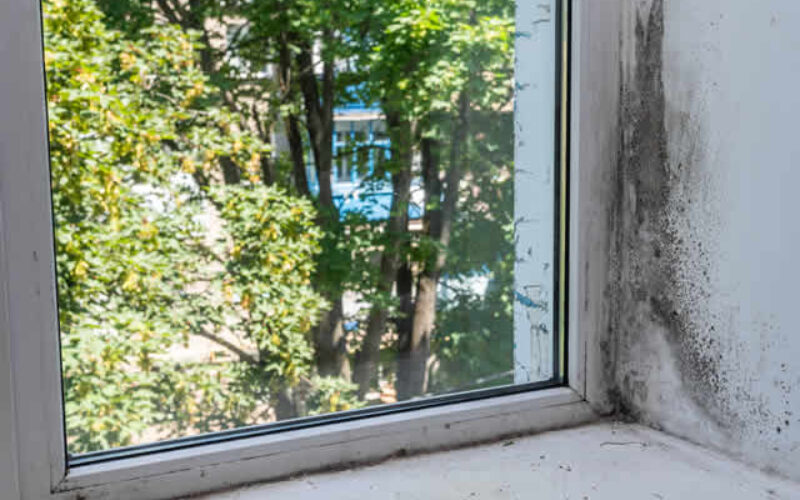
The most obvious sign of mold is seeing dark spots or patches on walls, ceilings, or other surfaces. These discolored areas often appear fuzzy or slimy and may start small before expanding over time.
Mold commonly grows on bathroom tiles, basement walls, and areas around windows where moisture collects. If you notice unusual staining that does not wash away with standard cleaning, mold growth is likely the cause.
The color can range from black to green to orange depending on the mold type, but any visible growth should be investigated promptly. Dark spots that appear suddenly or spread across an area are strong indicators that moisture is supporting mold development.

2. A Strong Musty Odor in Specific Areas
One of the earliest signs of mold is often a distinctive smell rather than visible growth. A musty odor resembles damp soil or rotting leaves and typically becomes noticeable in enclosed spaces like closets, basements, or attics.
This smell develops when mold releases spores into the air, and it frequently appears before any visible patches become apparent. If you enter a room and immediately notice an unpleasant earthy odor that fades when you open windows or turn on ventilation, investigate the walls and hidden corners.
Many homeowners discover serious mold problems by following a persistent musty smell to its source. Trust your nose as an early warning system, especially in areas prone to dampness.
more info below

The Secret Threat Lurking in Your Home: Understanding Mold Growth
This guide covers everything you need to know about mold, from identifying different types and understanding their effects on your health to practical methods for removing and preventing mold growth.
3. Water Stains and Discoloration
Water stains and discoloration on walls or ceilings often precede visible mold by days or weeks. These stains appear as brown, yellow, or grayish marks and indicate moisture is moving through materials where mold can thrive.
Common locations include ceilings below bathrooms or attics, areas near pipes, and exterior walls where water seeps in. The staining pattern can help you identify where water is entering, allowing you to fix the underlying moisture problem.
Even without visible mold at the time you notice stains, the wet environment has likely already begun supporting mold growth. Acting quickly when you see water stains prevents the situation from worsening and reduces treatment costs.
4. Peeling Paint or Bubbling Wallpaper
Moisture trapped behind paint or wallpaper creates an ideal environment for mold to grow unseen. When paint begins peeling or wallpaper starts bubbling and lifting away from the wall, it signals that water is accumulating in that area.
This separation often means mold is actively growing beneath the surface, feeding on the organic materials in paint, wallpaper, and drywall. The problem may not be immediately visible, but the peeling or bubbling indicates mold is almost certainly present.
Bathroom walls and kitchen areas are particularly vulnerable since they experience regular moisture exposure. Simply repainting over these issues without addressing the underlying moisture will not solve the mold problem.
5. Soft or Spongy Drywall and Wood
Mold thrives on organic materials and breaks down their structural integrity over time. Walls or wood surfaces that feel soft, spongy, or weakened when you press on them likely contain active mold growth within.
This deterioration happens because mold consumes the cellulose in drywall and wood, leaving behind weakened, deteriorated material. Affected areas may also bend inward slightly or feel damp to the touch.
In basements, crawl spaces, and around foundation areas, this spongy texture often develops where moisture enters regularly. This sign indicates a more advanced mold problem that requires immediate professional attention to prevent structural damage.
6. Increased Allergies or Respiratory Symptoms
Changes in your health or your family’s health can be related to mold in your home. Allergic reactions to mold spores include sneezing, itchy eyes, skin rashes, and congestion that seems to improve when you leave the house.
People with asthma or weakened immune systems may experience more severe symptoms like shortness of breath or wheezing. If multiple household members experience similar symptoms that worsen indoors, mold contamination may be responsible.
Children and elderly individuals are particularly vulnerable to mold-related health effects. When unexplained respiratory symptoms correlate with time spent in specific rooms, homeowners rely on mold inspection asheville nc professionals to pinpoint hidden contamination and confirm whether mold spores are the underlying cause.
7. Condensation on Windows or Pipes
Excessive condensation on windows, mirrors, or cold water pipes indicates moisture levels in your home are too high. While some condensation in bathrooms is normal during showers, persistent condensation throughout the day signals an ongoing moisture problem.
High humidity levels create the perfect breeding ground for mold in nearly every room of your home. If condensation appears regularly on windows even when it is cool outside, your home’s ventilation system may not be working properly.
Condensation on pipes typically indicates both high humidity and possible pipe insulation issues. This moisture problem requires attention to prevent mold from developing throughout your home.
Breathe Easier
Searching for relief from constant sneezing, watery eyes, and breathing difficulties that seem worse indoors?
That’s where air purifiers come in.
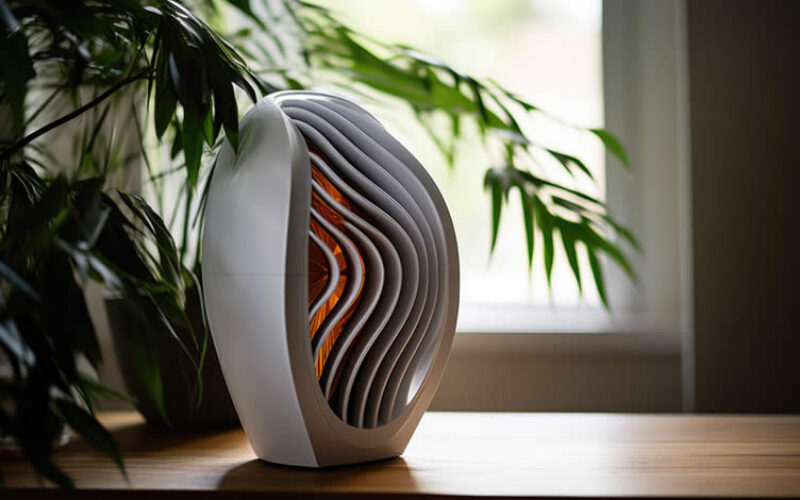
These devices work tirelessly to filter out allergens like dust, pet dander, and pollen, as well as pollutants such as smoke or mold spores, creating a cleaner, healthier environment.
With advanced filtration technology, air purifiers don’t just freshen your space; they support easier breathing and greater comfort, making your home the sanctuary it’s meant to be.
view ideas: Guide to Air Purifiers (new win)
Conclusion
Identifying mold early prevents it from spreading extensively and causing damage to your property or health. The seven signs covered here, ranging from visible spots and musty odors to structural changes and health symptoms, all warrant investigation.
If you notice any combination of these warning signs, address the underlying moisture issue first before attempting any cleanup. Professional mold inspection and remediation services can identify hidden growth and determine the source of moisture in your home.
Regular maintenance, proper ventilation, and prompt attention to water leaks are your best defense against mold problems. Taking action the moment you suspect mold growth protects your investment and ensures a healthier living environment for your family.
home improvement ideas to consider (complete directory – new win):


Find Professional Services Abatement Services Junk Removal Site Preparation Recovery Services top-rated, pre-screened local contractors FREE: download contractor selection enter zip code – powered by HomeAdvisor ™


Image credit: common signs of mold growth by envato.com
end of post … please share it!
| more photo remodeling |
Jump Over to Our Photo Analysis Center for Ideas on
"Renovating Home"
|__________________________________________________________|
home remodeling surprise
find out where it might go - new win


Helpful article? Leave us a quick comment below.
And please share this article within your social networks.