The good news is that you can protect yourself and your family by installing a radon mitigation system in your home. This radioactive gas can be dangerous, but you can follow this guide to understanding home radon mitigation systems to help ease your fears.
Components and Equipment
There are several important features of a radon mitigation system that all work cohesively to ensure the proper expulsion of radon from your home. The equipment and parts are extensive and include the following components:
- Radon ventilation fan
- Piping
- Suction point
- Manometer
- Radon level gauge
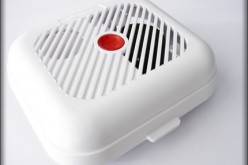
- Warning device or alarm
Types of Radon Mitigation Systems
Three common types of radon mitigation systems typically exist to protect people’s homes. The first is a sub-slab suction, which pulls the radon underneath the foundation and vents it outside. A second option is a drain-tile suction, which uses pipes and a ventilation fan to create a suction beneath the home’s foundation. A third and slightly different apparatus is the sub-membrane, which involves installing a barrier or membrane over soil.
Indoor Radon Levels
A radon mitigation system aims to reduce radon levels as much as possible. The baseline is the EPA action level of four picocuries of radon per liter of air. However, a mitigation system that’s in good condition will reduce radon levels to two picocuries of radon per liter of air.
Inspection and Maintenance
Your system should last for a long time, as the ventilation fan lasts up to 20 years. However, it is important to perform regular maintenance. If it is accessible, read your mitigation system’s gauge to certify that the radon levels are under control. Should you need assistance, you can reach out to radon professionals who will guarantee your home’s safety from this harmful gas.
Cost of Radon Mitigation System
The cost of a radon mitigation system can depend on many factors, from ease of installation to the number of replacement parts. Typically, the expense of a mitigation appliance is anywhere from $1500 to $3000. Research local laws and regulations, as there may be financial assistance available for individuals installing this important home safety device.
Mitigation instruments effectively reduce radon levels, ensuring the well-being of your household. After gaining a deeper understanding of home radon mitigation systems, you can protect yourself and your family from the risks of radon exposure. Don’t wait to bring this vital addition to your home—consider installing a radon mitigation system today.
Image Credit: Adobe royalty-free stock image #463936362
|__________________________________________________________|
home remodeling surprise
find out where it might go - new win


Helpful article? Leave us a quick comment below.
And please share this article within your social networks.