Key Takeways:
- Mold can begin developing within 24 to 48 hours after water exposure.
- Early detection and prompt action are crucial to prevent extensive damage and health risks.
- Understanding the conditions that promote mold growth helps in effective prevention.
- post content
- Understanding Mold Growth Timelines
- Factors Influencing Mold Development
- Common Signs of Mold After Water Damage
- Health Risks Associated with Mold Exposure
- Immediate Steps to Take After Water Damage
- Long-Term Prevention Strategies
- When to Seek Professional Help
- conclusion
- view notes:collective tips
- view ideas:latest remodeling analysis
- related post:Reduce Risk Of Water Damage
Understanding Mold Growth Timelines
When water damage strikes a property, mold is an unwelcome yet common aftermath, with growth often occurring far more quickly than many homeowners realize. Mold spores can begin to colonize damp surfaces within just 24 to 48 hours after exposure to water.
For this reason, understanding how quickly mold can grow is essential to mitigating risk and addressing moisture issues before they become larger problems.
If you are dealing with water damage, seeking help from mold removal professionals is crucial for immediate response and comprehensive restoration.
Swift intervention can halt the progression of mold, which, once established, can spread to other areas of the home and compromise indoor air quality. Mold growth is not only unsightly, but its rapid onset also makes it a significant threat to the safety and value of your property.
That is why recognizing the warning signs and taking fast action should be a top priority in the aftermath of any water event.
Mold spores are naturally present in the air and become problematic only when they find a conducive environment for growth. This includes areas that remain damp due to leaks, flooding, or poor ventilation.
By understanding how quickly mold can take hold, homeowners can act decisively and prevent costly damage.
Most importantly, acting within hours of discovering water damage can substantially reduce the long-term impact mold may have on a building’s structure and the well-being of its occupants.
For more in-depth information on moisture and mold risks, consult authoritative resources from the Environmental Protection Agency (EPA).

Factors Influencing Mold Development
The speed and severity of mold growth after water exposure depend on several key factors:
- Moisture Levels:
Mold cannot thrive without water. Even minor, persistent dampness, such as that from a slow plumbing leak or high humidity, can foster growth rapidly. - Temperature:
Mold thrives in temperatures between 77°F and 86°F, making many indoor environments susceptible, especially during warmer months or in poorly ventilated areas. - Organic Materials:
Materials like drywall, insulation, wood, and carpet provide ideal nutrient sources for mold. Once spores land on these damp surfaces, growth can occur quickly. - Ventilation:
Poor airflow allows moisture to become trapped indoors, creating an environment where mold spores can easily propagate.
Common Signs of Mold After Water Damage
Early identification of mold is one of the most effective ways to prevent moderate issues from escalating into widespread structural and health hazards. Be on the lookout for the following warning signs after any water damage event:
- A strong, musty odor that persists even after cleaning and airing out the affected area.
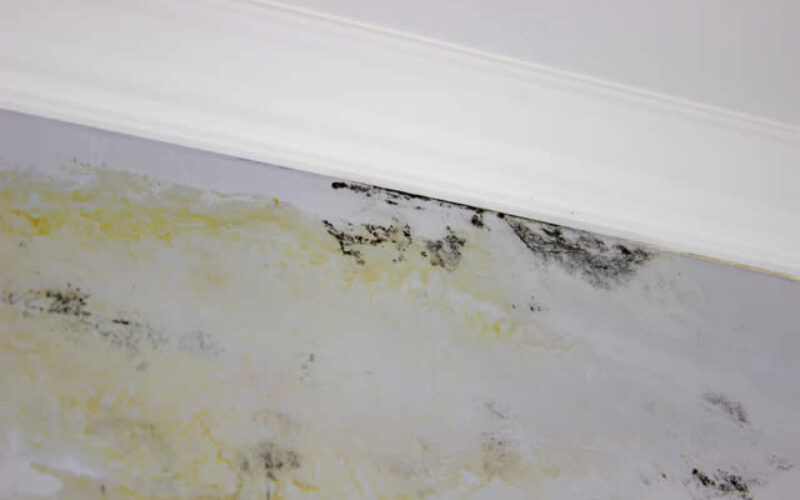
- Visible spots of black, green, or white discoloration on drywall, ceilings, floors, and other porous surfaces.
- Paint or wallpaper that begins to bubble, peel, or crack–these can indicate moisture and hidden mold growth underneath.
- Bowed, warped, or bulging surfaces, such as floors and walls, can indicate that wood or drywall is deteriorating due to mold.
- Increased allergy symptoms among occupants, including sneezing, coughing, watery eyes, or skin rashes that seem to worsen indoors.
signs of mold growth

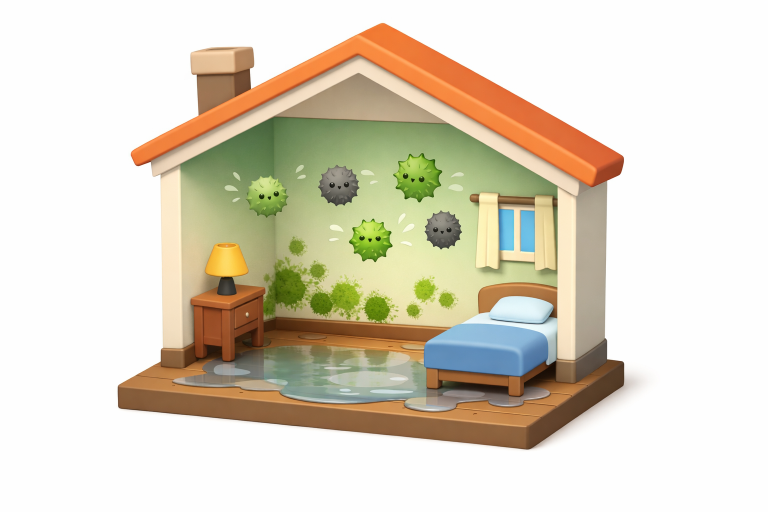
The Secret Threat Lurking in Your Home: Understanding Mold Growth
Understanding mold growth in the home is crucial for maintaining a healthy living environment.
Health Risks Associated with Mold Exposure
Exposure to indoor mold poses a health risk, especially for children, the elderly, and those with respiratory conditions or weakened immune systems. Common reactions may include:
- Nasal congestion and frequent sneezing
- Itchy, irritated throat
- Red, watery, or irritated eyes
- Skin inflammation, irritation, or rashes
- Shortness of breath, asthma flare-ups, or wheezing
Some molds may even produce mycotoxins, which can be dangerous with prolonged exposure. Sensitive populations may be affected severely, even at relatively low mold levels.
More information on mold health risks can be found at the Centers for Disease Control and Prevention (CDC).
Immediate Steps to Take After Water Damage
If you experience water damage, taking the following steps right away can make a critical difference in preventing mold growth:
- Remove Standing Water:
Extract accumulated water as quickly as possible using wet vacuums, mops, or pumps. - Dry Affected Areas:
Use fans, dehumidifiers, and open windows to encourage rapid drying of all damp areas and materials. - Discard Unsalvageable Materials:
Remove water-soaked materials such as carpeting, insulation, or drywall that cannot be fully dried within 48 hours. - Clean and Disinfect:
Clean hard surfaces with mold-inhibiting detergent or disinfectant. Protect yourself using gloves and masks.
Long-Term Prevention Strategies
To prevent mold growth after water damage or in areas prone to moisture, adopt the following strategies:
- Regular Inspections:
Routinely check plumbing, roofing, and windows for leaks, and repair any issues immediately. - Maintaining Proper Ventilation:
Ensure good airflow in attics, basements, crawl spaces, and bathrooms by using exhaust fans or ventilation systems. - Controlling Humidity Levels:
Monitor indoor humidity and keep it below 60 percent, using air conditioners or dehumidifiers as needed. - Using Mold-Resistant Products:
In moisture-prone spaces, choose mold-resistant drywall, insulation, paints, and caulking materials for renovations and repairs.
something of interest below

How To Reduce Your Home’s Risk Of Water Damage
Water damage is a headache for homeowners prone to heavy rains, blizzards, and hurricanes.
When to Seek Professional Help
If mold affects an area larger than 10 square feet, is hidden behind walls or ceilings, or if you experience persistent health issues linked to mold, professional intervention is highly recommended.
Mold remediation specialists have the proper training, safety equipment, and expertise to detect hidden infestations and perform safe cleanup, minimizing the risk of future mold recurrence.
Conclusion
Promptly addressing water damage is the most powerful tool homeowners have for stopping mold before it causes significant harm.
By acting quickly, recognizing the signs, and implementing prevention strategies, you can protect your property, your health, and your peace of mind. In cases where mold is extensive or persistent, do not hesitate to enlist professional mold remediation experts for safe and thorough cleanup.
other related analysis of interest: (new win)
Troubleshooting Your Leaky Basement: Solutions to Prevent Moisture Damage
Find Professional Services Abatement Services Junk Removal Site Preparation Recovery Services top-rated, pre-screened local contractors FREE: download contractor selection enter zip code – powered by HomeAdvisor ™


Image credit: mold after water damage by envato.com
end of post … please share it!
| more photo remodeling |
Jump Over to Our Photo Analysis Center for Ideas on
"Renovating Home"
|__________________________________________________________|
home remodeling surprise
find out where it might go - new win


Helpful article? Leave us a quick comment below.
And please share this article within your social networks.
.breaking-news {display: none !important;}