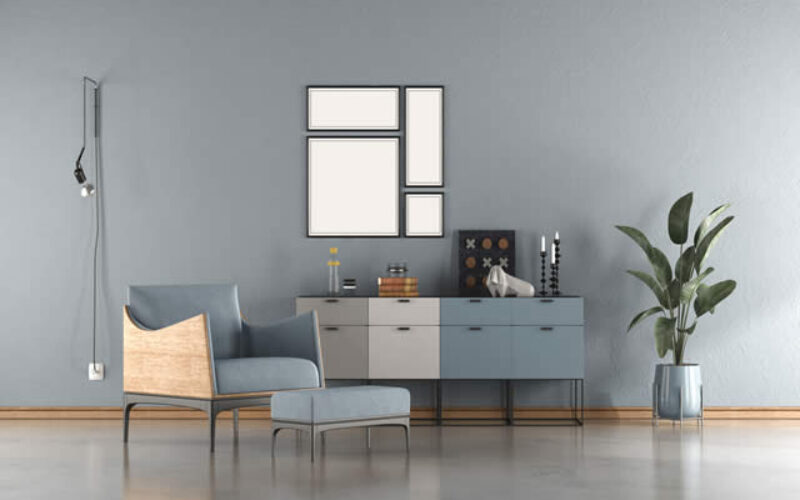
Either way, you’re facing countless decisions about colors, materials, layouts, and finishes.
But here’s something interesting: many homeowners don’t seriously consider how their existing furniture will work with the newly renovated space until it’s almost too late.
- post content
- Understanding the Relationship Between Architecture and Furniture
- Timing Your Furniture Decisions with Renovation Phases
- Creating a Cohesive Color Palette Throughout Your Space
- Balancing Style Consistency with Personal Expression
- Considering Scale, Proportion, and Traffic Flow
- Investing Strategically in New Furniture Post, Renovation
- conclusion
- view notes:collective tips
- view ideas:latest remodeling analysis
- view post (new win):Complete Guide to Home Décor Elements
Understanding the Relationship Between Architecture and Furniture
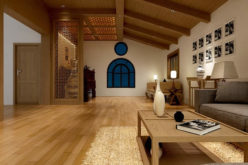
Your newly renovated space has architectural bones that create the foundation for everything else. Think about it, crown molding, flooring materials, window treatments, and wall colors all establish a visual language.
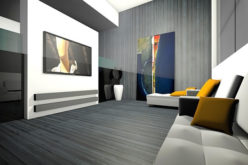
Your furniture either complements that language or contradicts it. When sleek hardwood floors and modern lighting fixtures share space with traditional, heavily ornate furniture, those competing styles create visual tension that just feels.
Scale matters tremendously here, too. High ceilings and expansive windows can make delicate furniture pieces look diminutive and lost in the space. On the flip side, oversized sectionals might completely overwhelm a newly opened floor plan you’ve worked so hard to create.
What’s the solution? Recognizing early on that your renovation and your furnishings must work together as a unified design statement.

Timing Your Furniture Decisions with Renovation Phases
When you coordinate furniture with renovation work, timing makes all the difference. Too many homeowners wait until construction wraps up before thinking seriously about furniture.
Then comes the disappointing discovery that their beloved pieces clash completely with the new aesthetic. There’s a better way to handle this.
Create a furniture plan during the design phase of your renovation instead. This approach allows you to select paint colors, finishes, and materials that will harmonize with the furniture you plan to keep or purchase.
Working with an interior designer or architect? Share photos of existing furniture you intend to retain so they can incorporate these pieces into their overall vision.
For furniture you’re planning to replace, start researching options early in the renovation process, you’ll have time to find pieces that truly fit your vision rather than settling for whatever’s immediately available when construction wraps up.
all about furniture

Home Refinement: Finding the Perfect Home Furniture for Every Room
Choosing the right home furniture is more than just a matter of aesthetics. It’s about creating spaces that reflect your personal style and meet your functional needs.
Creating a Cohesive Color Palette Throughout Your Space
Color coordination between your architectural finishes and furniture creates that visual flow that makes your home feel intentional and well-designed, like someone actually planned it, not just threw things together. Your renovation provides the perfect opportunity to establish a cohesive color palette that can guide furniture selection from the start.
Begin by identifying the dominant colors in your new flooring, cabinetry, and wall treatments. Then choose two or three accent colors that complement these base tones.
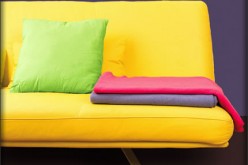
Your furniture should incorporate these colors in varying proportions to create interest while maintaining harmony. A neutral sofa in a shade that echoes your wall color can anchor a living room beautifully, while accent chairs in one of your chosen accent colors add personality without overwhelming everything.
Balancing Style Consistency with Personal Expression
Here’s a relief: achieving a cohesive look doesn’t mean every piece of furniture must match exactly or adhere rigidly to a single design style. In fact, the most interesting, personalized spaces often blend complementary styles while maintaining an overall sense of harmony.
Think of it this way, your renovation establishes a primary design direction, whether that’s contemporary, traditional, transitional, or eclectic. Your furniture should generally support this direction while allowing room for individual expression.
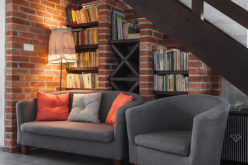
A modern farmhouse renovation, for example, can successfully incorporate sleek contemporary seating alongside rustic wood tables, as long as the pieces share common elements like similar wood tones or complementary scales.
The key is identifying the common thread that unites disparate pieces, maybe it’s a color family, material type, or design era. This approach prevents your space from feeling either too matchy-matchy (which can appear sterile and impersonal) or too chaotic (which undermines the polished look your renovation creates).
Consider which furniture pieces hold sentimental value or unique character worth preserving, then build around these anchors rather than replacing everything to match some predetermined style from a magazine spread.
Considering Scale, Proportion, and Traffic Flow
The physical dimensions of your furniture in relation to your renovated space significantly impact both aesthetics and functionality, more than most people realize.
Renovation often changes room proportions, whether by removing walls to create open concepts, adding square footage through additions, or raising ceilings for a more spacious feel. These alterations require reassessing whether your existing furniture actually works at the appropriate scale.
That massive sectional that perfectly filled your previous closed-off living room? It might look awkward in a newly opened floor plan that calls for more modular seating arrangements. Conversely, furniture that seemed adequately sized before might appear lost in a room that gained height or square footage.
Beyond visual proportion, think about how furniture placement affects traffic patterns in your renovated space. New doorways, relocated staircases, or eliminated walls create different movement patterns that your furniture arrangement must accommodate.
are you looking at “stay-put renovations?

Should You Move or Improve? The Rise of “Stay-Put Renovations”
Deciding to stay in your current home and invest in renovations is a significant step, but it opens the door to countless possibilities for creating your perfect living space.
Investing Strategically in New Furniture Post, Renovation
After investing substantially in a renovation, budget constraints often influence furniture decisions, that’s just reality for most of us. Rather than purchasing everything at once or settling for lower-quality pieces that don’t quite fit your vision, develop a strategic investment plan that makes sense financially and aesthetically.
Prioritize the most visible and frequently used pieces first. Living room seating or dining tables deserve high-quality items that will stand the test of time both aesthetically and functionally. These anchor pieces establish the tone for the room and justify a higher investment.
When selecting furnishings to complement your newly renovated space, homeowners who need to coordinate multiple rooms often explore home furnishing options in Boise, Idaho that offer cohesive collections suited to various design directions.
Secondary pieces like accent chairs, side tables, and decorative elements can be added gradually as budget allows, giving you time to find exactly the right items rather than compromising because you feel rushed.
Here’s a creative approach: consider which existing furniture pieces might work in different rooms than they currently occupy. That bedroom dresser might find new life as a media console in a renovated living space, or dining chairs could become desk chairs in a home office.
This creative repurposing maximizes your existing assets while you acquire new pieces specifically suited to your primary spaces. Remember, quality furniture represents a long-term investment that should complement your renovation for years to come, so patience in selection pays dividends in satisfaction and longevity.
Conclusion
Successfully matching furniture to your newly renovated home requires thoughtful planning, careful coordination, and strategic decision-making throughout the entire renovation process, not just at the end.
By considering how architectural elements relate to furniture styles, timing your purchases appropriately, establishing cohesive color palettes, and paying attention to scale and proportion, you create spaces that feel complete and intentional rather than disjointed or slapped together.
Your renovation represents a significant investment in your home’s value and your daily living experience. Ensuring your furniture harmonizes with these improvements maximizes that investment in ways that affect how you feel in your home every single day.
other related analysis of interest: (new win)
Find Interior Design Services Decorators Interior Designers Furniture Painting & Staining top-rated, pre-screened local contractors FREE: download contractor selection enter zip code – powered by HomeAdvisor ™


Image credit: by envato.com
end of post … please share it!
| more photo remodeling |
Jump Over to Our Photo Analysis Center for Ideas on
"Renovating Home"
|__________________________________________________________|
home remodeling surprise
find out where it might go - new win


Helpful article? Leave us a quick comment below.
And please share this article within your social networks.