Stains happen to the best of us, and when they do, they can mar the beautiful surfaces of our homes. The key to keeping your space looking its best is knowing how to act quickly and effectively.
Tackling a stubborn stain can feel like a daunting task, especially with so many different materials in our homes, from elegant stone countertops to plush area rugs. But with the right knowledge and a few simple tools, you can restore your surfaces to their original beauty.
This guide offers practical, step-by-step solutions for removing common household stains, helping you care for your home with confidence and ease.
Removing Stains from Countertops
Countertops are the workhorses of the kitchen and bathroom, and they often bear the brunt of daily spills. Because countertops come in a variety of materials, from natural stone to solid surfaces, a one-size-fits-all approach to stain removal won’t work.
Understanding the material you’re working with is the first step to effective cleaning. Below, we’ll explore methods for stone, solid surface, and other common countertop materials.
-
Stone Countertops
Natural stone countertops like granite, marble, and quartz add a touch of elegance to any home, but they require specific care to prevent permanent staining.
For granite, start by making a paste of baking soda and water. Gently spread it over the stain, cover it with plastic wrap, and let it sit for 24 hours before wiping it away.
Marble is more porous and sensitive to acidic substances, so it’s crucial to act fast. Blot wine or coffee spills immediately, then apply a paste of baking soda and water for oil-based stains or hydrogen peroxide for organic stains.
Quartz is more stain-resistant, but for tough spots, a non-abrasive cleaner or a mixture of gentle soap and water is usually sufficient.
-
Solid Surface Countertops
Solid surface countertops, such as Corian, are known for their durability and non-porous nature, which makes them highly resistant to staining.
However, if a stain from a colorful food item does set in, it can typically be removed with gentle methods.
For most spills, a simple solution of soapy water and a soft cloth will do the trick. For more persistent marks, use a mild abrasive cleaner and a soft sponge, scrubbing in a circular motion.
It’s important to avoid harsh chemicals or scouring pads, as these can scratch the surface and dull its finish.
-
Other Countertops
Laminate, tile, and concrete countertops each have their own cleaning needs. Laminate is generally easy to clean, and a paste of baking soda and water can lift most tough stains.
For tile countertops, the main challenge is often the grout. A mixture of equal parts vinegar and water, or a specialized grout cleaner, can remove discoloration.
Concrete countertops are porous and should be sealed to prevent stains. For existing marks, a pH-neutral cleaner is best, and for tough oil-based stains, a poultice can draw the stain out of the concrete.


Removing Stains from Wood Flooring
Wood flooring brings warmth and character to a home, but stains can detract from its natural beauty. Treating stains on wood requires a gentle touch to avoid damaging the finish.
The right cleaning method often depends on the type of stain you’re dealing with, from simple watermarks to more challenging ink or pet urine stains.
-
Identifying the Stain
The first step in wood floor cleaning is to identify the stain. Watermarks often appear as white rings and indicate the damage is only in the surface finish.
Darker stains, like those from pet urine or ink, have likely penetrated the wood itself and require a more intensive approach.
Oil-based stains from grease or food will look dark and need a specific method to lift the grease from the wood fibers. Knowing what caused the stain will guide you to the most effective solution.
-
Cleaning Techniques
For light watermarks on the finish, you can often buff them out with a soft cloth and a small amount of mineral spirits or even non-gel toothpaste. For darker stains that have soaked into the wood, you may need to sand the area lightly and reapply the finish.
Grease stains can be treated by applying a poultice made from fuller’s earth or a similar absorbent material mixed with a solvent.
For ink stains, carefully dabbing the spot with a cloth lightly dampened with isopropyl alcohol can help lift the pigment before it sets permanently.
Removing Stains from Carpets and Area Rugs
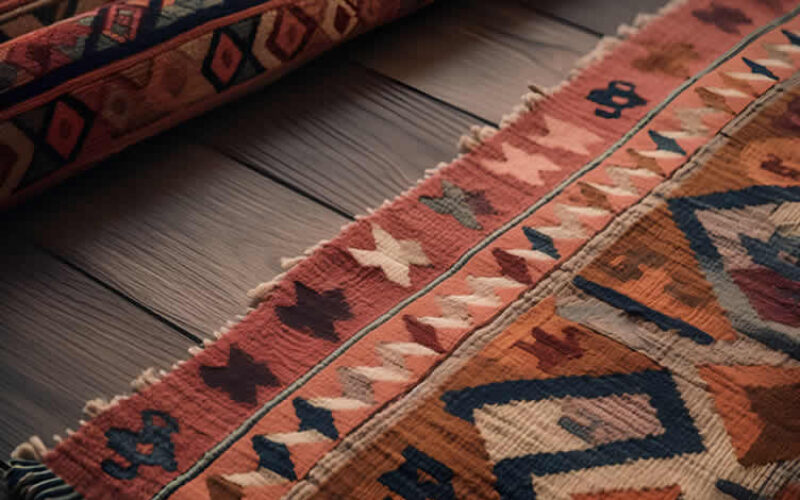
Carpets and area rugs add comfort and style to our rooms, but their soft fibers can easily trap spills. The best approach to carpet and rug stain removal is a combination of swift action and the right cleaning solutions.
Whether it’s a muddy footprint or a spilled drink, addressing it quickly can prevent a minor accident from becoming a permanent eyesore.
-
Immediate Action
When a spill happens on your carpet or rug, time is of the essence. The longer a stain sits, the deeper it can penetrate the fibers, making it much harder to remove.
Begin by gently blotting the area with a clean, dry cloth to absorb as much of the spill as possible. Avoid rubbing, as this can spread the stain and damage the carpet fibers. Working from the outside of the stain inward will help contain it.
-
DIY Solutions
Many effective stain removers can be made from common household ingredients. A solution of equal parts white vinegar and water is excellent for many types of stains, including pet urine.
For coffee or wine stains, a paste made from baking soda and a small amount of water can be applied to the stain, allowed to dry, and then vacuumed up.
Always test any homemade solution on a small, inconspicuous area of the carpet first to ensure it doesn’t cause discoloration.
Unlocking the Secrets of Carpet Cleaning: An Infographic Guide to the Best Techniques
An insightful infographic that lays out effective carpet cleaning techniques and tips, ideal for anyone looking to maintain their carpet’s appearance and longevity. Following the infographic, we’ll provide a detailed review of each technique, helping you choose the best approach for your carpet maintenance needs.
Removing Stains from Tile and Other Surfaces
Beyond countertops and floors, stains can appear on a variety of other surfaces throughout the home, from tile walls to glass tables. Each material requires a unique approach to restore its clean, fresh appearance.
-
Tile Surfaces
For ceramic and porcelain tiles, the surface itself is often stain-resistant, but the grout lines are porous and can easily become discolored. A stiff-bristled brush and a paste of baking soda and water can work wonders on dirty grout.
For tougher stains, an oxygen-based bleach product can be effective. Regular sealing of grout lines can also help prevent future staining and make cleaning easier.
-
Other Surfaces
Other household surfaces like glass, metal, and plastic can also fall victim to stains. For hard water stains on glass, a spray of white vinegar can help dissolve the mineral deposits.
Rust stains on metal can often be scrubbed away with a paste of lemon juice and salt. For plastic surfaces, like cutting boards or food containers, soaking them in a solution of water and bleach or vinegar can help lift food-based stains.
other related analysis of interest: (new win)
The Art of Timekeeping: Choosing the Perfect Home Timepieces
A Fresh Start for Your Home
Dealing with household stains doesn’t have to be a source of stress. With a little patience and the right techniques, you can tackle everything from a coffee ring on your countertop to a wine spill on your rug.
By understanding the surfaces in your home and acting promptly, you can keep your living spaces looking beautiful and well-cared for. We encourage you to try these methods and enjoy the satisfaction of a clean, stain-free home.
| Surface | Common Stains | Suggested Solutions |
|---|---|---|
| Stone Countertops | Wine, Coffee, Oil | – Use baking soda and water paste for granite. – Apply baking soda paste or hydrogen peroxide for marble. – Use non-abrasive cleaner or soapy water for quartz. |
| Solid Surface Countertops | Colorful Food Stains | – Clean with soapy water and a soft cloth. – For tougher stains, use a mild abrasive cleaner in circular motions. – Avoid harsh chemicals or scouring pads. |
| Wood Flooring | Watermarks, Ink, Grease | – Buff light watermarks with mineral spirits or toothpaste. – Sand dark stains lightly and reapply finish. – Apply a poultice for grease or use isopropyl alcohol for ink stains. |
| Carpets & Rugs | Pet Stains, Coffee, Wine | – Blot spills immediately with a clean cloth. – Use a vinegar-water solution for pet stains. – Apply a baking soda paste, allow to dry, and vacuum for coffee or wine stains. |
| Tiles | Grout Discoloration | – Use a baking soda and water paste with a stiff brush. – Apply oxygen-based bleach for tougher stains. – Regular grout sealing prevents future stains. |
| Other Surfaces | Hard Water, Rust, Food Stains | – Spray white vinegar for hard water stains on glass. – Use lemon juice and salt paste for rust on metal. – Soak plastic in water and bleach or vinegar for food stains. |

Find Home Cleaning Services Home Cleaning Carpet-Drapes Property Clean-Up Windows top-rated, pre-screened local contractors FREE: download contractor selection enter zip code – powered by HomeAdvisor ™


Image credit: stain removal guide by envato.com
end of post … please share it!
| more photo remodeling |
Jump Over to Our Photo Analysis Center for Ideas on
"Renovating Home"
|__________________________________________________________|
home remodeling surprise
find out where it might go - new win


Helpful article? Leave us a quick comment below.
And please share this article within your social networks.