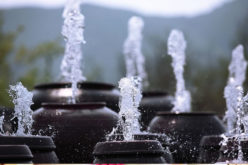
Unlike ornate traditional fountains with elaborate decorations, minimalist water fountains focus on clean lines, natural materials, and understated elegance.
Water fountains offer more than just visual appeal—they create a calming atmosphere that can reduce stress and mask unwanted neighborhood noise. Whether you’re designing a new landscape or updating an existing space, understanding how water fountains work and which options suit your needs will help you make an informed decision that enhances your outdoor living experience.
From simple self-contained units to sophisticated tiered designs, water fountains can fit virtually any space and budget. The key is selecting a fountain that aligns with your landscape design goals while considering practical factors like maintenance, installation, and ongoing costs.
- post content
- How Water Fountains Work
- Types of Water Fountains
- Where Water Fountains Can Be Used
- Benefits of Water Fountains
- Drawbacks of Water Fountains
- Installation of Water Fountains
- Alternatives to Traditional Water Fountains
- Create Your Perfect Water Feature
- view table:content summary
- view key:collective notes
How Water Fountains Work
Understanding the basic mechanics of water fountains helps you appreciate their simplicity and reliability. At its core, every water fountain operates on a continuous water circulation system powered by an electric pump.

The pump draws water from a reservoir or basin and pushes it through tubing to the fountain’s highest point.
Gravity then guides the water back down through the fountain’s design elements, creating the visual and auditory experience you enjoy. The water returns to the reservoir, where the cycle begins again.
Most residential water fountains use submersible pumps that sit directly in the water reservoir. These pumps are designed to run continuously and typically consume minimal electricity—often less than a standard light bulb.
The pump’s strength determines the water flow rate and how high the water can be lifted, which affects both the fountain’s appearance and sound.
A basic filtration system often accompanies the pump to keep the water clean and prevent clogs. Some fountains include UV lights or other water treatment features to minimize algae growth and maintain water quality over time.

Types of Water Fountains
Choosing the right fountain type depends on your space, aesthetic preferences, and installation requirements. Each style offers unique benefits and design opportunities for minimalist landscapes.
-
Self-Contained Fountains
Self-contained fountains represent the simplest fountain option, requiring no permanent plumbing or complex installation. These units include everything needed for operation: the reservoir, pump, and fountain structure in one package.
These fountains work perfectly for renters or homeowners who want flexibility in their landscape design. You can easily relocate them seasonally or when redesigning your outdoor space. Most self-contained fountains simply need a level surface and access to electrical power.

self-contained fountains Modern self-contained designs embrace minimalist aesthetics with materials like brushed stainless steel, natural stone, or weathered concrete. Geometric shapes and clean lines create visual interest without overwhelming the surrounding landscape.
-
Pond Fountains
Pond fountains integrate into existing or newly constructed water features, creating dynamic focal points in larger landscapes. These fountains can transform a static pond into an engaging ecosystem while providing aeration benefits for fish and aquatic plants.
pond fountains Floating pond fountains offer versatility in placement and can be adjusted seasonally. Fixed installations provide more dramatic water displays and can incorporate lighting for evening enjoyment. The minimalist approach focuses on simple spray patterns rather than elaborate tiered structures.
-
Wall Fountains
Wall fountains maximize impact in smaller spaces by utilizing vertical surfaces. These space-efficient designs work particularly well in courtyards, patios, or narrow side yards where floor space is limited.
wall fountains Contemporary wall fountains feature clean geometric forms with water flowing over smooth surfaces like slate, glass, or metal panels. The water movement creates subtle texture and sound while maintaining the sleek appearance minimalist designs demand.
-
Tiered Fountains
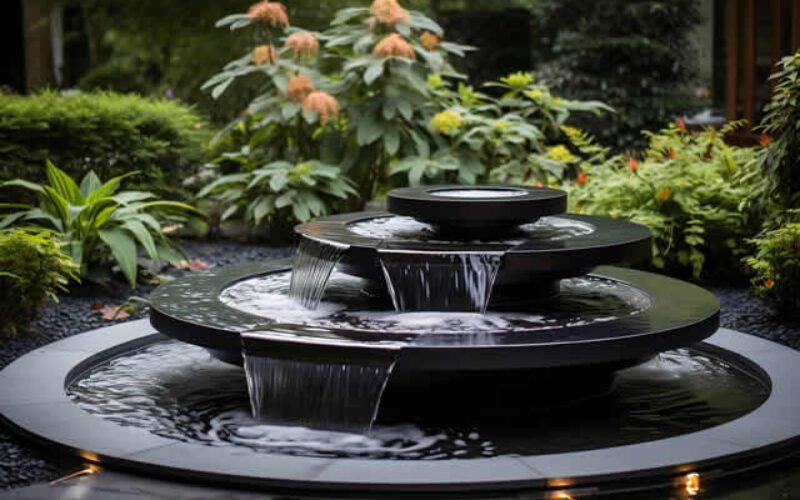
Tiered fountains create visual drama through multiple water levels while maintaining minimalist appeal when designed thoughtfully. Modern interpretations use simple geometric forms stacked or nested to create gentle cascading effects.
Rather than ornate traditional designs with decorative elements, minimalist tiered fountains rely on material contrast and precise proportions for visual interest. Natural stone, metal, or concrete tiers can complement existing landscape materials while providing the relaxing sound of water flowing between levels.
Where Water Fountains Can Be Used
Water fountains adapt to various settings, making them versatile additions to many different environments. Understanding appropriate placement helps ensure your fountain provides maximum enjoyment and integrates well with surrounding elements.
-
Residential Gardens
Home landscapes offer numerous opportunities for water fountain integration. Backyard installations can create intimate gathering spaces or provide focal points visible from interior windows. Patio placements bring the soothing sounds of water close to outdoor dining and relaxation areas.
Front yard fountains make welcoming statements while potentially increasing property value. Strategic placement near entryways or along pathways guides visitors while creating memorable first impressions. Consider sight lines from both interior and exterior viewpoints when selecting locations.
-
Commercial Spaces
Businesses increasingly recognize the value of water features in creating inviting environments. Office complexes use fountains in courtyards and entrance areas to project professionalism while providing stress relief for employees and visitors.
Hotels and restaurants incorporate water features to enhance ambiance and create memorable experiences. The sound of flowing water can mask traffic noise in urban settings while contributing to a sense of tranquility that encourages longer visits.
-
Indoor Settings
Interior water fountains bring natural elements inside, improving air quality and creating calming atmospheres in homes and offices. Smaller tabletop or floor-standing units work well in living rooms, entryways, or meditation spaces.
Indoor fountains require careful consideration of humidity levels and drainage. Self-contained units with built-in drainage systems minimize potential water damage while providing the same stress-reducing benefits as outdoor installations.
Benefits of Water Fountains
Water fountains provide multiple advantages that extend beyond simple decoration, making them valuable investments in outdoor living spaces.
The aesthetic appeal of moving water adds dynamic visual interest that static landscape elements cannot match. Water catches and reflects light throughout the day, creating ever-changing displays that prevent landscapes from feeling monotonous. The reflective qualities of water can also make small spaces appear larger and more open.
The sound of flowing water provides natural stress relief and can significantly improve outdoor comfort. This white noise effect masks unwanted sounds from traffic, neighbors, or HVAC equipment. Many people find the rhythmic sound of water naturally calming, which can enhance the enjoyment of outdoor spaces and potentially improve sleep quality for nearby bedrooms.
Environmental benefits include attracting beneficial wildlife like birds and butterflies, which can enhance your garden’s ecosystem. The movement and sound of water draw various species, creating opportunities for nature observation and supporting local biodiversity.
Water features can also provide localized cooling effects through evaporation, which can make patios and seating areas more comfortable during warm weather. This natural air conditioning effect works particularly well in dry climates.
Drawbacks of Water Fountains
Despite their many benefits, water fountains require honest consideration of potential challenges before installation.
Maintenance represents the most significant ongoing responsibility. Regular cleaning prevents algae buildup and maintains water quality. Pumps require periodic inspection and eventual replacement. Seasonal maintenance includes winterization in freezing climates and spring startup procedures.
Cost considerations include initial purchase price, installation expenses, and ongoing operational costs. Electricity for pump operation typically costs only a few dollars monthly, but larger installations or features like lighting increase consumption. Water replacement due to evaporation adds to utility bills, particularly in hot, dry climates.
Water usage can be substantial in arid regions where evaporation rates are high. Some areas with water restrictions may limit fountain operation during drought conditions. Regular refilling becomes necessary, and automatic fill systems add complexity and cost.
Weather considerations affect fountain operation and longevity. Freezing temperatures can damage pumps and plumbing if not properly winterized. High winds can affect spray patterns and increase evaporation rates. Extreme weather events may require temporary fountain shutdown for protection.
How to Best Prepare Your Garden For a Fountain Installation
According to landscape gardeners, a fountain is useful in adding style and atmosphere to any landscaping work. However, if you’re contemplating including one on your lawn, ensure you thoroughly and adequately prepare your home.
Installation of Water Fountains
Successful fountain installation depends on careful planning and realistic assessment of your skills and available time.
DIY installation works well for small self-contained fountains that require only electrical connections and level placement. These projects typically involve minimal tools and can be completed in a few hours. Larger installations or those requiring plumbing connections benefit from professional expertise to ensure proper operation and compliance with local codes.
Professional installation becomes necessary for fountains requiring electrical work, plumbing connections, or structural modifications. Licensed contractors ensure safe electrical connections and proper drainage while often providing warranties on their work.
For basic self-contained fountain installation, begin by selecting a level location near electrical power. Many fountains require GFCI-protected outlets for safety. Prepare the foundation area by removing grass and leveling the surface with sand or gravel if needed.
Connect the internal pump according to manufacturer instructions, ensuring all connections are secure and waterproof. Fill the reservoir with water and test pump operation before finalizing placement. Adjust water flow rates using built-in controls to achieve desired sound and spray patterns.
Alternatives to Traditional Water Fountains
Several alternatives provide water feature benefits with different maintenance requirements and aesthetic approaches.


Rain chains offer a minimalist approach to water management while creating visual interest during rainfall. These decorative chains or cups guide rainwater from gutters to ground level, creating temporary water displays during storms. Japanese-inspired designs complement contemporary landscapes with their simple, functional beauty.
Bird baths provide wildlife attraction benefits with minimal maintenance requirements. Modern designs using natural materials like stone or metal complement minimalist landscapes while supporting local bird populations. Unlike fountains, bird baths require only periodic water changes and cleaning.
Dry creek beds simulate water features without actual water, reducing maintenance to nearly zero while providing visual flow and drainage benefits. These landscape elements use carefully selected stones and gravel to create the appearance of seasonal streams, perfect for areas with water restrictions or minimal rainfall.
Create Your Perfect Water Feature
Water fountains represent an excellent investment in outdoor living quality, providing aesthetic beauty, stress relief, and environmental benefits that enhance daily life. The key to success lies in selecting the right fountain type for your space, understanding maintenance requirements, and ensuring proper installation.
Whether you choose a simple self-contained unit for your patio or invest in a more elaborate installation, the sound and movement of water will transform your outdoor experience. Consider starting with a smaller fountain to experience the benefits firsthand before committing to larger installations.
Your landscape deserves the tranquil beauty that only flowing water can provide. Take time to explore different fountain styles and envision how they might enhance your outdoor spaces—the perfect water feature awaits your discovery.
other related analysis of interest: (new win)
Sustainable Modular Homes: A Complete Guide for Families
Enhancing Outdoor Spaces with Ornamental Grasses in Landscape Design
| Fountain Type | Installation Difficulty | Maintenance Level | Cost Range | Best For |
|---|---|---|---|---|
| Self-Contained | Easy | Low | $100-$1,000 | Patios, small spaces |
| Pond Fountain | Moderate | Medium | $500-$3,000 | Large gardens, existing ponds |
| Wall Fountain | Moderate | Medium | $300-$2,000 | Courtyards, vertical spaces |
| Tiered Fountain | Hard | High | $1,000-$5,000+ | Formal landscapes, focal points |
| Rain Chain | Easy | Very Low | $50-$300 | Functional water management |
| Bird Bath | Easy | Low | $50-$500 | Wildlife attraction |
| Dry Creek Bed | Moderate | Very Low | $200-$1,500 | Drainage, visual flow |
Find Landscaping Decor Landscape Design Sprinkler Systems Metal Work Water Features top-rated, pre-screened local contractors FREE: download contractor selection enter zip code – powered by HomeAdvisor ™


Image credit: by 123rf.com
end of post … please share it!
| more photo remodeling |
Jump Over to Our Photo Analysis Center for Ideas on
"Renovating Home"
|__________________________________________________________|
home remodeling surprise
find out where it might go - new win


Helpful article? Leave us a quick comment below.
And please share this article within your social networks.