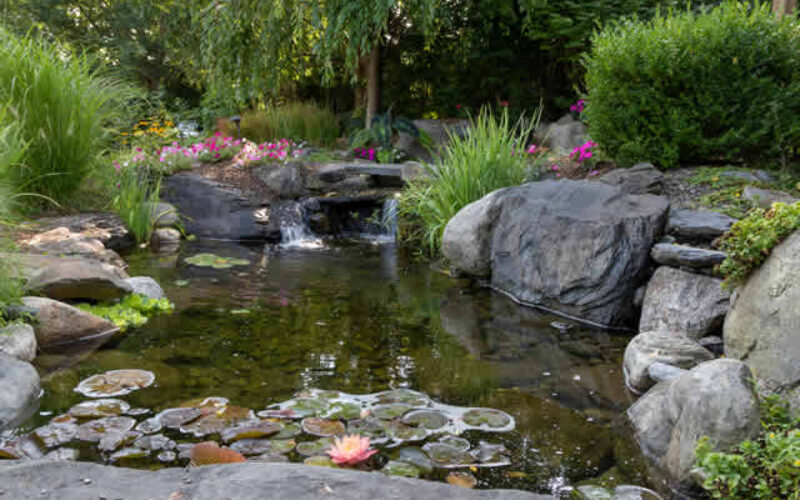
These sustainable ponds, with their ability to function as beautiful outdoor ecosystems, provide a calming aesthetic while addressing the pressing need for environmentally conscious landscaping.
By adopting natural filtration systems, native plants, and thoughtful wildlife integration, an eco-friendly pond can transform your outdoor space into a serene haven that supports biodiversity and reduces your environmental impact.
Whether you’re considering building a new pond or converting your traditional pond into a sustainable oasis, this guide will walk you through everything you need to know about eco-friendly pond design.
- post content
- Understanding Sustainable Pond Design
- Natural Filtration Systems
- Incorporating Native Plants
- Supporting Local Wildlife
- Low-Maintenance Practices
- Case Studies: Successful Eco-Friendly Ponds
- Step-by-Step Guide to Building an Eco-Friendly Pond
- Common Mistakes to Avoid
- Building a Pond for the Future
- view key:collective notes
Understanding Sustainable Pond Design
An eco-friendly pond is more than just a water feature; it is a well-balanced ecosystem designed to work in harmony with nature. At its core, a sustainable pond minimizes environmental impact while promoting natural processes for water purification and wildlife support.

Unlike traditional ponds that rely heavily on chemicals and pumps, eco-friendly ponds prioritize natural solutions to maintain water quality and ecosystem health.
Key principles of sustainable pond design include natural filtration systems, the use of native plants, and the intentional creation of habitats for wildlife.
By focusing on these elements, pond owners can achieve clean water, vibrant plant life, and thriving local fauna without the need for constant maintenance or artificial interventions.

Natural Filtration Systems
A hallmark of eco-friendly pond designs is the use of natural filtration systems. These systems rely on the interplay of gravel beds, aquatic plants, and beneficial bacteria to keep the water clean and balanced. Together, these components form an effective natural solution that reduces the need for chemical treatments and energy-intensive equipment.
Gravel beds act as physical filters, trapping sediments and debris while serving as a home for colonies of beneficial bacteria. These bacteria break down organic matter, such as leaves and fish waste, into nutrients that plants can absorb.
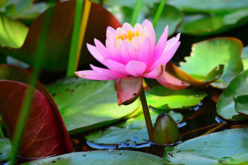
Aquatic plants like water lilies and reeds further contribute by oxygenating the water and absorbing excess nutrients, helping to prevent algae overgrowth. Together, these elements create a self-regulating system that keeps the pond clean and supports a diverse range of aquatic life.
Incorporating Native Plants
Native plants are central to sustainable pond designs. These plants are perfectly adapted to the local climate and ecological conditions, requiring less water and maintenance than non-native species. They also play an essential role in oxygenating the water, providing shade, and creating habitats for wildlife.
For example, pickerelweed, arrowhead, and cattails are excellent native plants for pond margins, offering habitat for amphibians and pollinators while enhancing the visual appeal.
Submersed plants like coontail and hornwort improve water quality by releasing oxygen and absorbing excess nutrients. Marginal plants such as marsh marigold and blue flag iris add vibrant colors to your pondscape while supporting bees and butterflies.
By incorporating native plants, you not only improve your pond’s health but also create a lush environment that attracts and sustains local wildlife.
Supporting Local Wildlife
A sustainable pond doesn’t just add beauty to your outdoor space; it also supports local biodiversity. Ponds act as vital habitats for a wide range of species, offering food, shelter, and breeding grounds. By intentionally designing your pond to accommodate wildlife, you can create a thriving ecosystem that contributes to ecological balance.
Encourage frogs and toads to visit by providing shallow areas where they can bask and lay eggs. Birds will be drawn to your pond if you include features like rocks for perching and shrubs for shelter. Dragonflies and other beneficial insects thrive in ponds with plenty of submerged plants and protected areas.
Remember to avoid introducing non-native or invasive species that could harm local ecosystems. Instead, focus on creating a natural haven that enriches biodiversity and invites wildlife to flourish.
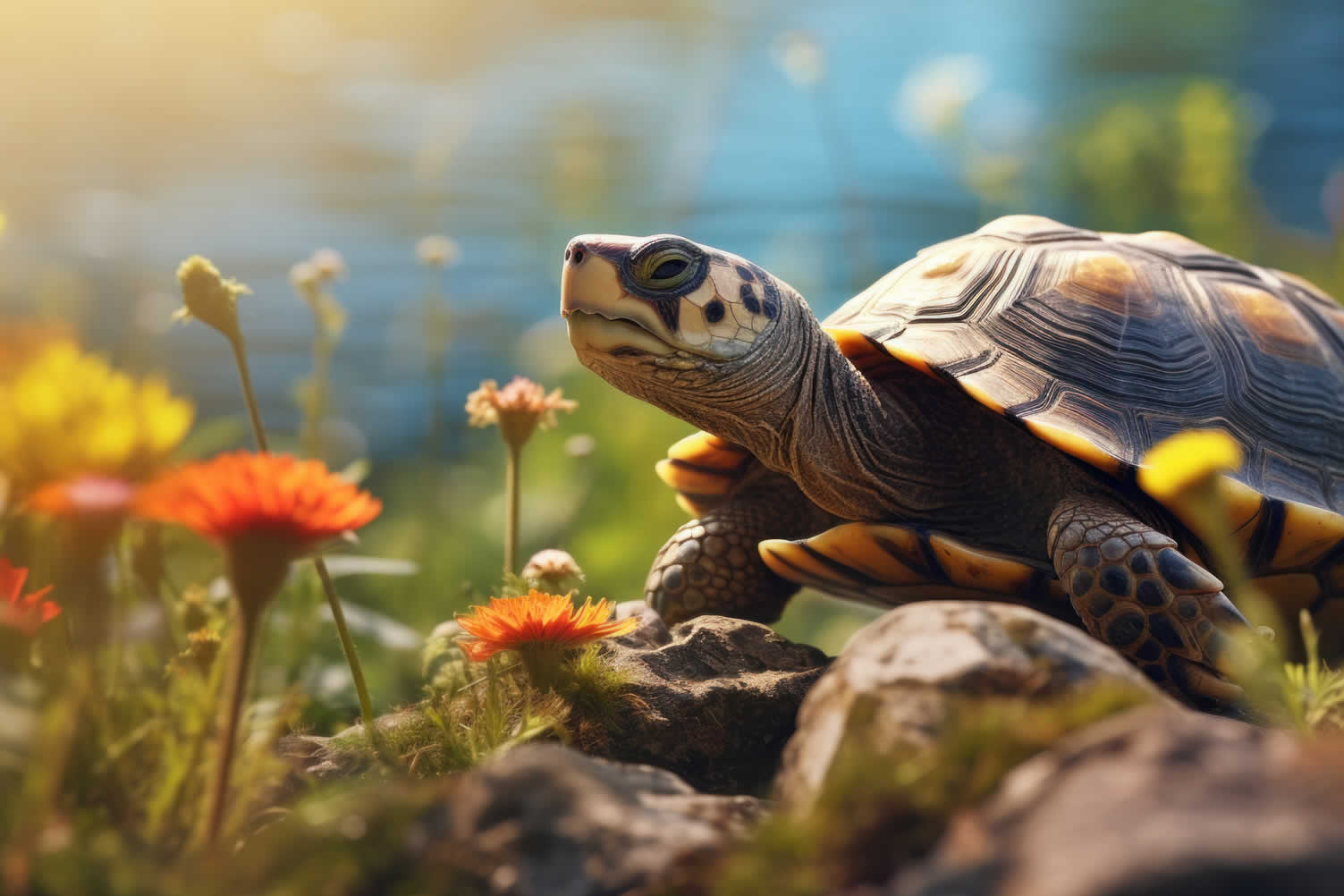
Backyard Wildlife: How to Invite, Control, and Remove When Necessary
Let’s explore the rewarding process of creating a wildlife habitat right in your own backyard. From understanding the diverse species that can enrich your personal ecosystem to tailor-making a landscape that beckons the wild into a harmonious existence with your living space.
Low-Maintenance Practices
One of the most attractive features of an eco-friendly pond is its low-maintenance nature. By leveraging natural systems and thoughtful design, you can minimize ongoing upkeep and enjoy your pond without hassle.
Algae control, a common concern for pond owners, becomes more manageable when the pond is well-balanced. Adding floating plants, like water lettuce or duckweed, can provide shade and reduce sunlight exposure, which curtails algae growth.
Sediment reduction can be achieved through gravel beds and skimmers that trap debris before it settles. Seasonal maintenance, such as removing leaves in the fall or thinning plants in the spring, ensures your pond remains healthy and productive throughout the year.
Case Studies: Successful Eco-Friendly Ponds
Sustainable pond design is no longer a novelty; countless examples around the world showcase the beauty and success of these efforts.
One homeowner transformed their backyard into a natural sanctuary, using native plants and balancing aquatic life to create a pond that attracts songbirds and frogs year-round.
Another used gravel filtration and marginal plants to turn their pond into a chemical-free water garden that sparkles with vitality.
These case studies illustrate the potential of eco-friendly ponds to enhance private and public spaces alike while leaving a positive mark on the environment.
Step-by-Step Guide to Building an Eco-Friendly Pond
If you’re ready to take the plunge into sustainable pond design, here’s a step-by-step guide.
- Site Selection:
Choose a location with partial sunlight to balance plant growth and algae control while ensuring it is away from runoff sources that may introduce pollutants. - Design Planning:
Sketch your layout, incorporating varying depths for diverse habitats and including space for plants, rocks, and other features. - Construction Tips:
Opt for natural liners like bentonite clay, and use gravel and rocks to line the pond bottom, supporting filtration and aesthetic appeal. - Planting Strategies:
Introduce native aquatic plants according to their needs for light and depth. Place oxygenating plants in the center and marginal plants along the edges.
By following these steps, you will create a functional and beautiful ecosystem that requires minimal intervention to thrive.
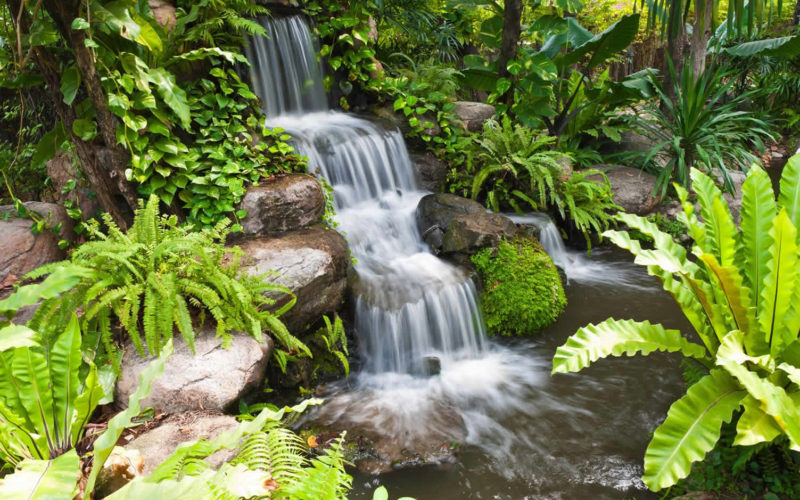
Using a Garden Waterfall in Your Landscaping Design
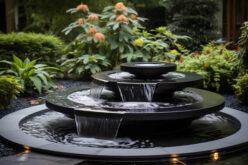
Imagine having a garden waterfall in the corner section of your garden landscape.You can create any type of foliage garden surrounding the waterfall that will be fun to create.
Common Mistakes to Avoid
While eco-friendly ponds are relatively simple to maintain, there are pitfalls to be aware of. Overcrowding plants can lead to oxygen depletion, while excessive fish stocking may imbalance the pond’s ecosystem.
Avoid using synthetic fertilizers, which can contribute to algae blooms. Instead, rely on natural solutions and patience to allow the ecosystem to stabilize over time.
Building a Pond for the Future
An eco-friendly pond is more than a personal delight; it is a step toward a healthier, more balanced environment. By incorporating sustainable practices and natural elements, you can create a pond that not only brings you joy but also supports local wildlife and reduces your ecological footprint.
Whether you’re starting from scratch or revamping an existing pond, the possibilities for beauty, sustainability, and biodiversity are endless.
It’s time to rethink what’s possible with pond design and build a little slice of nature right in your backyard.
- Books such as The Pond Specialist by Alan Bridgewater for in-depth guidance.
- Websites like the National Wildlife Federation or local gardening associations for advice on native plants.
- Scientific studies on natural filtration systems to better understand their mechanisms and benefits.
other related analysis of interest: (new win)
Spring is Almost Here! It’s Time to Grow Your Own Vegetables
Crafting Inviting Outdoor Retreats With Beautiful Hardscaping Features
Find Yard n’ Garden Services Landscape Design Sprinkler Systems Metal Work Water Features Gazebos Play Equipment Outbuildings Fences top-rated, pre-screened local contractors FREE: download contractor selection enter zip code – powered by HomeAdvisor ™


Image credit: eco-friendly pond design by envato.com
end of post … please share it!
| more photo remodeling |
Jump Over to Our Photo Analysis Center for Ideas on
"Renovating Home"
|__________________________________________________________|
home remodeling surprise
find out where it might go - new win


Helpful article? Leave us a quick comment below.
And please share this article within your social networks.