Whether you are gardening on a small apartment balcony, a compact patio, or a rented property where digging is forbidden, you do not have to give up your dream of an aquatic sanctuary. Container ponds offer a brilliant solution that brings the soothing presence of water into even the smallest spaces.
These miniature ecosystems are incredibly accessible projects that allow anyone to dip their toes into the world of water gardening. By utilizing simple vessels like whiskey barrels, galvanized stock tanks, or even large ceramic planters, you can create a thriving habitat for aquatic plants and wildlife.
This approach transforms underutilized corners into focal points of tranquility and life, proving that you do not need acres of land to foster a deep connection with nature.
- post content
- The Unique Joys of Small-Space Water Gardening
- Exploring Types of Container Ponds
- Setting Up Your Personal Oasis
- Designing Your Water Feature
- Important Safety and Legal Considerations
- Create Your Personal Sanctuary
- view table:content summary
- view notes:collective tips
- view ideas:latest remodeling analysis
- view post (new win):Guide to Wall Decor Elements
The Unique Joys of Small-Space Water Gardening
Introducing a water feature to your home does more than just boost aesthetic appeal; it invites a sense of calm and mindfulness into your daily routine. Water reflects light and creates movement, making a small area feel larger and more dynamic.
Beyond the visual benefits, these compact ponds act as magnets for local wildlife. You might find dragonflies hovering over the water, birds stopping by for a drink, or bees collecting moisture, effectively turning your patio into a vital micro-habitat.
For renters and those who move frequently, container ponds are particularly appealing because they are portable. Unlike an in-ground pond, which requires excavation and permanent landscaping, a container pond can move with you.
This flexibility allows you to invest time and love into your water garden without the fear of leaving it behind. Furthermore, the contained environment makes maintenance far more manageable than a large pond, serving as an excellent introduction for beginners learning about aquatic ecosystems.

Exploring Types of Container Ponds
Container ponds come in a variety of shapes, sizes, and materials, each offering unique possibilities to transform your outdoor or indoor space into a serene oasis. Choosing the right type of container pond depends on your available space, aesthetic preferences, and desired level of maintenance.
Below, we’ll explore the most popular options to help you find the perfect fit for your home.
-
The Rustic Charm of Half-Barrel Ponds
One of the most classic looks for a container pond involves the use of a half-whiskey or wine barrel. The wood texture adds a warm, rustic element that blends beautifully with cottage-style gardens or naturalistic settings.
Since authentic barrels are not naturally watertight and may contain residues harmful to aquatic life, it is essential to line them with a heavy-duty pond liner or a pre-formed plastic insert. This step ensures the water stays contained and creates a safe barrier between the wood and your delicate ecosystem.
-
Modern Minimalism with Stock-Tank Ponds
Galvanized stock tanks have surged in popularity for their sleek, industrial durability and modern aesthetic. Originally designed for livestock, these metal tanks are incredibly sturdy and come in various shapes, from round to oval, fitting perfectly into contemporary design schemes.
They are spacious enough to hold a diverse range of plants and even small fish. However, metal conducts heat efficiently, so if your tank sits in direct sunlight, the water temperature can fluctuate rapidly.
Placing the tank in a partially shaded area or using floating plants to cover the surface can help regulate the temperature for the health of your aquatic residents.
-
Versatile Patio Water Gardens
If you are working with a tabletop or a very small balcony, a simple ceramic or resin pot can serve as a delightful water garden. Glazed ceramic pots are excellent choices because they come in vibrant colors that can complement your existing decor.
Unlike porous terracotta, which can wick moisture away, glazed pots (once the drainage hole is plugged with silicone) hold water effectively.
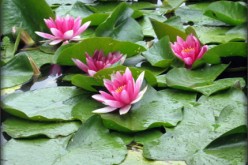
These smaller setups are perfect for a single dramatic water lily or a cluster of floating aquatic greens, bringing a splash of life to eye level without occupying valuable floor space.
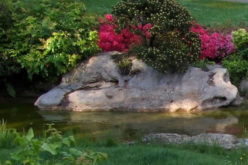
using edging stone
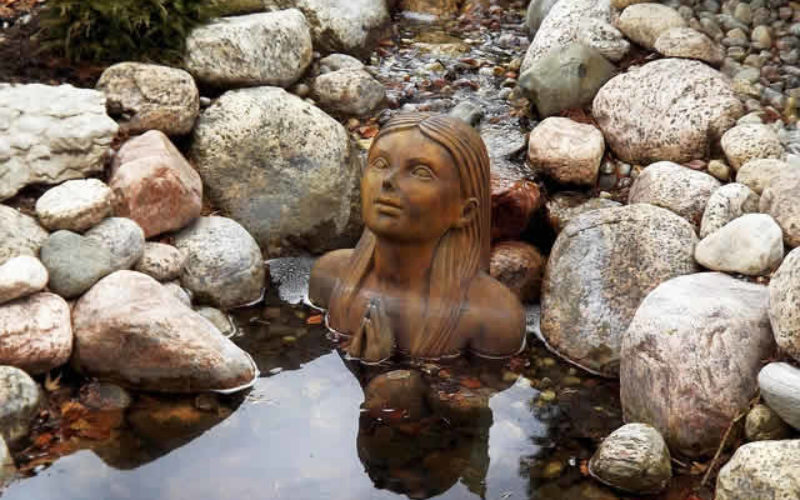
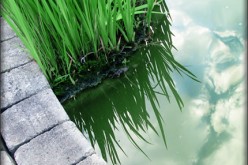
Decorative Edging Stone to Border Your Pond
A beautiful pond in the backyard needs one key landscaping design. Decorate your pond with decorative pond rock to border and surround the pond landscaping.
Setting Up Your Personal Oasis
Creating a personal oasis in your home doesn’t require a sprawling garden or a significant budget. With a little creativity, you can bring the tranquil beauty of a water feature to any space using a container pond.
This simple, yet stunning addition instantly adds a touch of nature and calm to your surroundings, making it the perfect retreat from the hustle of daily life. Here’s how you can set up your own soothing water haven with ease.
-
Selecting the Right Container
Choosing the right vessel is the foundation of a successful pond. The container must be non-toxic and capable of holding water without leaking. If you repurpose a container not originally meant for water gardening, such as an old planter or a decorative bowl, ensure you seal any drainage holes with waterproof sealant.
The size of the container will dictate what kind of life it can support. A deeper container helps maintain a stable water temperature, which is crucial if you plan to introduce fish, whereas a shallow, wide bowl creates an excellent surface area for floating plants and gas exchange.
-
Curating Plants and Aquatic Life
A balanced ecosystem relies on a mix of plant types. You will want to include floating plants like water lettuce or duckweed to shade the water and reduce algae growth.
Submerged oxygenating plants, such as hornwort or anacharis, are vital for keeping the water clean and oxygen-rich. Marginal plants, which love having their roots in water but their foliage in the air, add height and architectural interest; consider options like dwarf papyrus or horsetail.
If your container is large enough—generally at least 20 gallons—you might introduce small fish like rosy red minnows or guppies. These little swimmers are not only fun to watch but also serve a practical purpose by eating mosquito larvae.
-
Maintaining Water Quality
Keeping your water clear and healthy requires a gentle routine rather than heavy labor. When filling your pond, always treat tap water with a dechlorinator to make it safe for plants and fish. In a small volume of water, waste can build up quickly, so avoid overfeeding any fish.
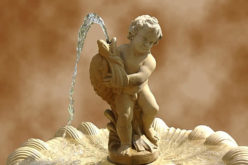
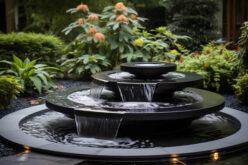
Many container pond owners use small solar-powered fountains or spitters to keep the water moving. This circulation prevents stagnation and discourages mosquitoes from laying eggs.
Regular removal of decaying plant matter, such as fallen leaves, will also prevent the water from becoming nutrient-rich sludge that fuels algae blooms.
more info below

The Top 10 Most Exciting New Trends in Garden Design
Dreaming of a personal oasis in your own backyard? Whether you’re looking to boost property value, express your unique style, or simply have a tranquil slice of paradise to escape to, diving into the latest trends in garden design is a fantastic start.
Designing Your Water Feature
The beauty of a container pond lies in its ability to reflect your personal style. You can soften the edges of the container by surrounding it with potted trailing plants like creeping jenny or ivy, helping the pond integrate seamlessly into the landscape.
Lighting plays a transformative role in how you experience the water feature. Submersible LED lights can make the water glow from within at night, while solar path lights placed nearby can highlight the architectural shapes of your marginal plants.
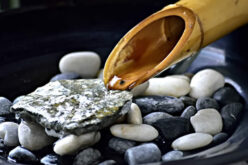
For a zen-inspired look, consider adding smooth river rocks to the bottom of the container or placing a bamboo water spout on the rim to create soothing auditory ambiance.
Important Safety and Legal Considerations


While container ponds are generally low-risk, safety should always be a priority. If you live in an apartment with a balcony, check your building’s regulations regarding weight limits.
Water is incredibly heavy—weighing over eight pounds per gallon—so a large stock tank could easily exceed the structural capacity of a suspended balcony. Always position heavy containers near load-bearing walls or beams.
For families with young children or curious pets, supervision is essential. Even shallow water can pose a drowning risk to toddlers. Placing the container on a raised stand or choosing a taller vessel can help keep the water out of reach of little hands.
Additionally, be mindful of local pests. Stagnant water can become a breeding ground for mosquitoes. If you do not have fish to consume the larvae, consider using "mosquito dunks," which are biological controls safe for pets and birds but effective at stopping mosquito development.
Create Your Personal Sanctuary
Building a compact pond is an invitation to slow down and observe the subtle magic of nature right outside your door. It is a project that rewards you with daily moments of peace, whether you are watching a lily pad unfurl or listening to the gentle splash of water.
By choosing the right container, balancing your plants, and giving your new ecosystem a little nurturing care, you can create a vibrant, living jewel that enhances your home and soothes your spirit.
other related analysis of interest: (new win)
2026 Garden Trends: Creating Your Sustainable Outdoor Sanctuary
Create a Stone Garden Path That Blends Beauty and Functionality
| Topic | Description | Details |
|---|---|---|
| Introduction | Overview of the concept of container ponds | Container ponds allow even those with limited space to enjoy the benefits of water gardening, transforming small areas into tranquil habitats. |
| Design Ideas | Types of containers for ponds | Options include half-barrel ponds for rustic charm, stock-tank ponds for a modern aesthetic, and small ceramic pots for compact spaces. |
| Plant & Wildlife | Creating a balanced ecosystem | Use a mix of plants like floating, submerged, and marginal varieties, and optionally include small fish for cleaning and visual appeal. |
| Maintenance | Ensuring water quality and ecosystem health | Regular tasks include treating water, avoiding overfeeding fish, removing debris, and promoting circulation to prevent stagnation and algae growth. |
| Safety | Tips for secure and sustainable water features | Consider weight limits for balconies, ensure water is out of reach of children or pets, and use mosquito control measures when needed. |
| Personalization | Designing your unique container pond | Enhance aesthetics with surrounding plants, lighting, and decorative features like rocks or bamboo water spouts for a soothing effect. |

Find Pool n’ Ponds Services Swimming Pools Spas & Hot Tubs Water Features Fencing Landscape Design Outbuildings top-rated, pre-screened local contractors FREE: download contractor selection enter zip code – powered by HomeAdvisor ™


Image credit: container pond by envato.com
end of post … please share it!
| more photo remodeling |
Jump Over to Our Photo Analysis Center for Ideas on
"Renovating Home"
|__________________________________________________________|
home remodeling surprise
find out where it might go - new win


Helpful article? Leave us a quick comment below.
And please share this article within your social networks.