But beyond the joyous festivities, what if we embraced this winter as an opportunity to envision a sustainable future for our homes in the coming year?
In this comprehensive guide, you’ll discover an array of practical and effortless strategies that can transform your home into an eco-friendly haven. From energy-efficient upgrades to mindful consumption habits, each step will contribute to a more sustainable lifestyle.
Let the beauty of this winter season inspire you to embark on a journey towards a greener and more harmonious living environment.
Understanding Home Sustainability
Firstly, it’s crucial to have a comprehensive understanding of what a sustainable home entails. A sustainable or ‘green’ home goes beyond the basic principles of minimizing environmental impact. It encompasses a holistic approach that encompasses various factors, including energy efficiency, responsible waste management, and the use of sustainable materials.
By implementing sustainable practices, we can significantly contribute to environmental preservation. For instance, incorporating energy-efficient appliances and renewable energy sources can help reduce our carbon footprint and lower energy costs.
Additionally, responsible waste management practices, such as recycling and composting, can further minimize our impact on the environment.
Furthermore, a sustainable home not only benefits the planet but also enhances our quality of life. For example, utilizing natural lighting and ventilation can create a healthier and more comfortable living environment. The use of non-toxic materials can improve indoor air quality and promote better overall well-being.
In summary, embracing sustainability in our homes is a win-win situation. It allows us to play an active role in environmental conservation while also reaping the rewards of improved quality of life and potential energy savings.
Home Sustainability:
In this three-part “Home Sustainability” Series, we will explore three effective tactics for embracing sustainability in the upcoming year:
-
Part-1: Energy Efficiency: A Key Pillar of Sustainability
[ see topic below: energy efficiency ]
-
Part-2: Waste Management: Reducing, Reusing, Recycling
[ see posting: waste management ]
-
Part-3: Sustainable Materials: The Foundation of a Green Home
[ see posting: sustainable materials ]
Part-1: Energy Efficiency: A Key Pillar of Sustainability
One of the most effective ways to create a sustainable home is by promoting energy efficiency. This can be achieved through several means, such as upgrading to energy-efficient appliances, insulating walls and windows, using smart automation to monitor energy use, and incorporating renewable energy sources like solar panels.
By implementing these practices, homeowners can significantly reduce their carbon footprint and contribute to a greener and more sustainable future.
1: Smart Home Automation
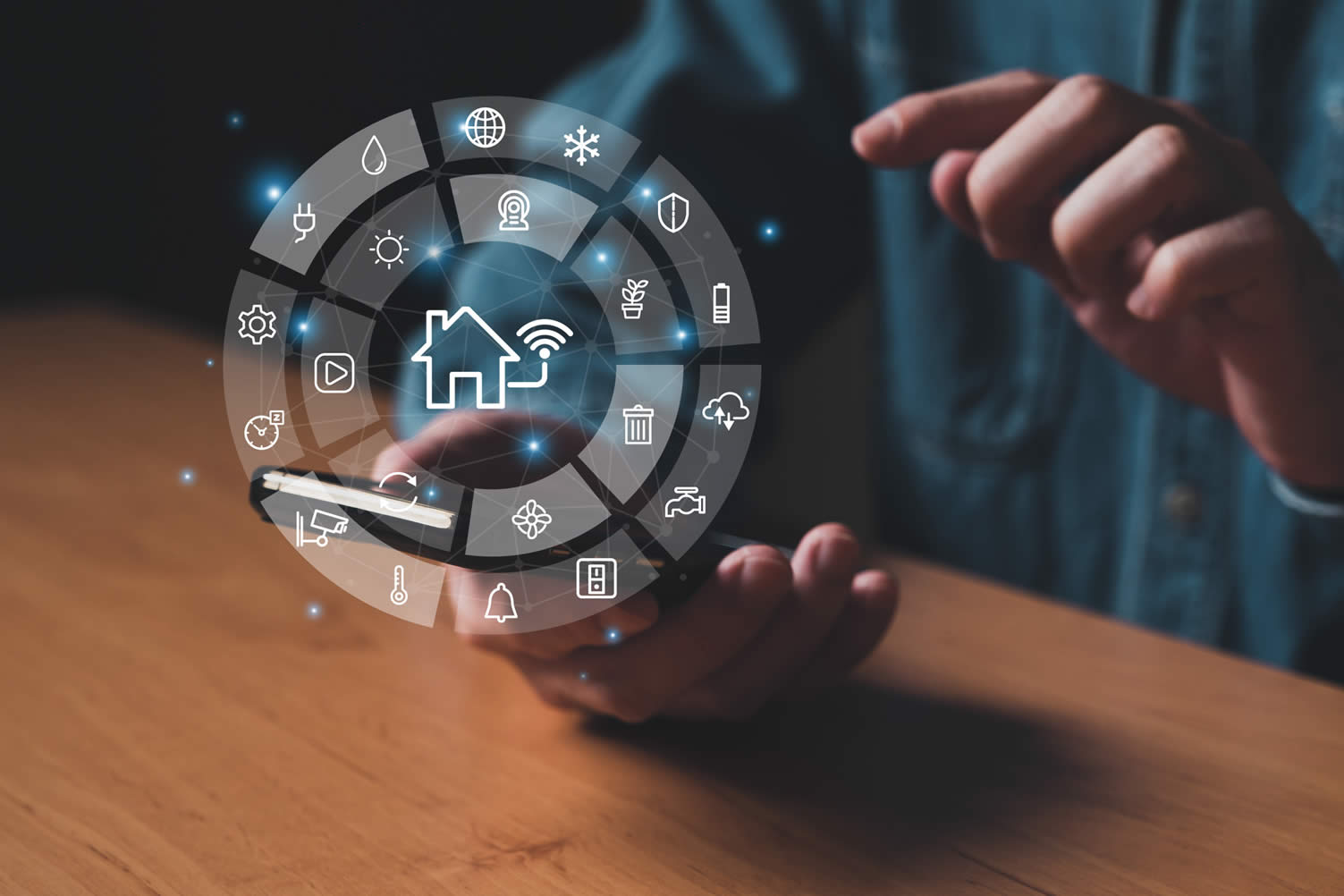
Smart home automation is another effective way to enhance the sustainability of your home. These systems allow homeowners to control and optimize their home’s energy usage, thereby reducing unnecessary waste.
For instance, smart thermostats can adjust the temperature based on when you’re home or away, while smart lights can turn off when no one is in the room. Apart from energy management, smart home automation also includes water-saving technologies such as smart irrigation systems.
Smart lighting systems allow for automated control of your home’s lights. These systems can be programmed to switch lights off when rooms are unoccupied, dim lights according to the time of day or your personal preferences, and even change the color of light based on your activities. This not only reduces energy consumption but also enhances the ambiance and functionality of your living spaces.
Another smart-energy saving move is smart window blinds, which can be programmed to open and close based on the time of day, weather conditions, or room occupancy.
By automatically adjusting to block out heat or let in natural light, these smart blinds can help regulate your home’s temperature, reducing the need for artificial lighting and climate control. This contributes to a reduction in energy use, paving the way for a more sustainable lifestyle.
By implementing smart home automation, you’re not only improving the energy efficiency of your home but also contributing to a more sustainable planet while enjoying convenience and potential cost savings.

2: Solar Panels
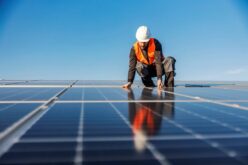
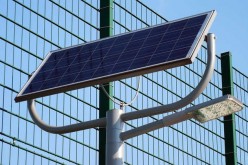
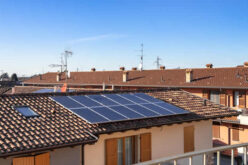
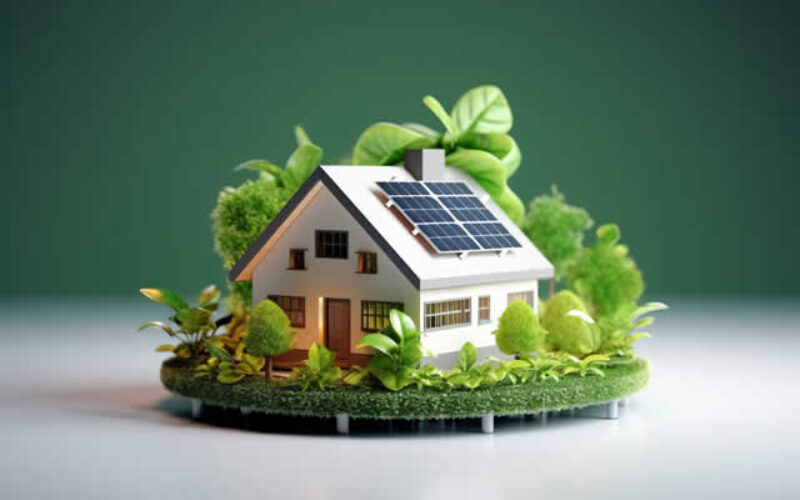
Another effective addition to a sustainable home plan is the installation of solar panels. Solar panels convert sunlight into usable electricity, significantly reducing reliance on traditional, often non-renewable, sources of power.
By generating your own clean energy, you can decrease your household’s carbon emissions and utility costs. Moreover, excess energy produced can often be sold back to the grid, providing an additional source of income.
Solar panels, therefore, represent a long-term investment in sustainability that can also yield significant financial benefits.
One of the key components of harnessing solar power effectively is the use of a solar battery. Solar batteries store excess electricity generated by your solar panels, enabling you to use solar power even after the sun goes down.
This increases your home’s energy efficiency, reduces your reliance on the grid, and decreases your carbon footprint, further enhancing your journey towards a sustainable lifestyle. In the event of a power outage, a solar battery can also serve as a backup power source, increasing the resilience of your home’s energy system.
Moreover, in regions where utility companies offer time-of-use rates or demand charges, a solar battery can save you money by allowing you to use stored solar power during peak demand times when electricity rates are higher.
Therefore, installing a solar battery is a crucial step in fully utilizing your solar panel system’s potential and maximizing the sustainability of your home.

3: Efficient Appliances
Switching to energy-efficient appliances not only helps the environment but also brings significant reductions in energy consumption. By opting for products with the Energy Star label, which indicates their adherence to a high standard of energy efficiency, you can actively contribute to a more sustainable future while enjoying the benefits of cost savings and reduced carbon footprint.
Moreover, energy-efficient appliances are designed to optimize energy usage, leading to extended product lifespans and reduced maintenance costs. These appliances often incorporate advanced features such as smart technology, allowing for remote control and automation, further enhancing convenience and energy management.
Furthermore, many efficient appliances are built to last longer than their conventional counterparts, offering financial benefits in the long run.
4: Smart Thermostats
Smart thermostats are designed to learn your daily routine and automatically adjust the temperature, ensuring optimal energy efficiency and reducing wastage. Moreover, these thermostats offer the convenience of remote control, allowing you to manage and personalize your home’s temperature settings from anywhere.
With their advanced features and intuitive technology, smart thermostats provide a seamless and comfortable environment while helping you save on energy costs.
5: Improved Insulation
Improved insulation is another key strategy in creating a more sustainable home. Properly installed insulation reduces energy consumption by keeping your home warmer in winter and cooler in summer.
It lowers the demand for heating and cooling systems, consequently reducing your carbon footprint. Insulation options include spray foam, fiberglass, or cellulose, each having varying levels of efficiency and environmental impact. As you plan for sustainability in the New Year, consider upgrading or augmenting your home’s insulation to further enhance energy efficiency and comfort.

6: Energy Efficient Windows
Energy-efficient windows are an excellent addition to any plan aiming to make a home more sustainable. These windows reduce the need for artificial heating and cooling by maintaining a consistent indoor temperature, regardless of the weather outside.
They work by using special coatings and improved framing materials to prevent heat transfer and block harmful UV rays. This not only helps lower energy consumption, hence reducing utility bills, but also protects your furniture and floorings from sun damage.
As you plan for a sustainable home in the New Year, consider replacing your traditional windows with energy-efficient ones for a more comfortable and eco-friendly living space.

Find Energy Efficient Services Insulation Windows-Insulation Ducts & Vents Thermostats Solar Installation Skylights Home Automation Generators Home Automation Electrial Wiring Networks/Phone Computers/ Media Home Security Alarms top-rated, pre-screened local contractors FREE: download contractor selection enter zip code – powered by HomeAdvisor ™


Image credit: sustainable home living by 123rf.com
end of post … please share it!
| more photo remodeling |
Jump Over to Our Photo Analysis Center for Ideas on
"Renovating Home"
|__________________________________________________________|
home remodeling surprise
find out where it might go - new win


Helpful article? Leave us a quick comment below.
And please share this article within your social networks.