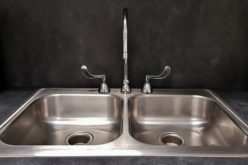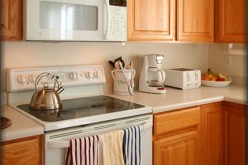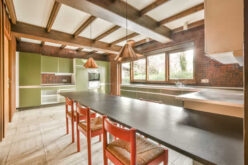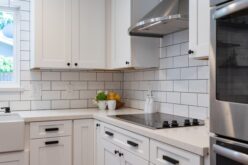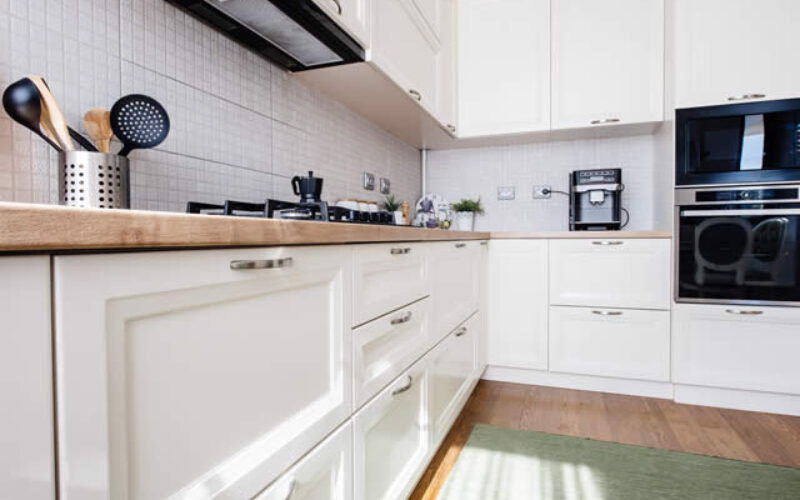
Well-chosen, durable cabinets provide longevity, value, and beautiful appeal, all while withstanding daily activity.
Visit website for more inspiration and expert guidance as you start your renovation.
The best cabinet choices balance design, sturdiness, and practical considerations. Making informed decisions ensures your investment will look great and hold up over the years of use.
This comprehensive guide will walk you through the process, from picking the right materials to selecting quality hardware, finishes, and more.
- post content
- Selecting the Right Materials
- Understanding Cabinet Construction
- Choosing Quality Hardware
- Opting for Durable Finishes
- Balancing Design and Durability
- Considering Your Budget
- Maintenance Tips for Longevity
- conclusion: Final Thoughts
- view notes:collective tips
- shop n’ compare:kitchen sink n’ faucet
- view ideas:latest remodeling analysis
Selecting the Right Materials
The foundation of your cabinets’ durability is the material. Solid wood stands out for its strength and timeless appeal, but plywood, with its layered construction, resists warping and moisture better, making it an excellent choice for high-traffic kitchens.
High-quality medium-density fiberboard (MDF) is a cost-effective alternative that resists cracking and provides a smooth surface for painted finishes. Understanding the properties of each can help you find the right balance between style and durability.
It’s important to factor in your local climate when choosing materials. Kitchens in humid or coastal areas may face greater moisture challenges, making high-quality plywood or water-resistant laminates a wiser choice than some hardwoods, which could expand or contract with temperature changes.
Homeowners with pets or kids might want to seek out scratch-resistant veneers or durable melamine options that hold up to more rugged use. Materials not only impact look and feel, but they also directly affect the ongoing condition of your investment.

Understanding Cabinet Construction
Construction impacts how well cabinets hold up to constant use. Dovetail joints, mortise-and-tenon, or dowel construction methods create superior strength at corners and during assembly. Cabinets with solid backs and reinforced corners add structural integrity and are less likely to deform over time.
Frameless, or “European-style,” cabinets maximize interior space while framed cabinets offer traditional stability. Learning about cabinet construction methods helps you spot quality features when shopping.
Cabinet boxes generally come in two main thicknesses: 1/2-inch and 3/4-inch. The thicker, 3/4-inch sides offer enhanced durability and minimize flexing, particularly with heavy contents or frequent use. Pay attention to how shelves are supported.
Adjustable shelves with sturdy metal pegs can be a sign of quality, preventing shelves from bowing under weight. Drawer boxes made with solid wood sides and dovetail joinery are a strong indicator that the manufacturer prioritizes lasting performance.
designing kitchen cabinets

How To Design Your New Kitchen Cabinets
If you are looking to update or completely remodel a kitchen, one of the biggest decisions in the design process is the type, style, color, and number of kitchen cabinets.
Choosing Quality Hardware
Hardware, including hinges, drawer slides, and pulls, impacts both functionality and cabinet lifespan. Look for soft-close hinges and full-extension drawer slides crafted from robust metals, which minimize wear and promote smooth, quiet use.
Stainless steel, solid brass, or zinc alloy hardware are excellent choices that resist corrosion and maintain their appearance. Inexpensive, light-duty hardware often needs replacement sooner, so investing in sturdy components from the outset is a cost-effective strategy.
Additionally, the design and finish of the hardware should harmonize with the overall kitchen aesthetics. Modern kitchens may benefit from minimalist bar pulls or hidden hinges, while a classic or farmhouse style might incorporate cup pulls or traditional knobs.
Ensuring the hardware finish resists fingerprints and tarnishing is a proactive way to keep cabinets looking polished over time. Test drawer and door functionality before purchasing. Smooth operation is a hallmark of superior hardware.
Opting for Durable Finishes
The finish of your cabinets is both an aesthetic feature and a shield against moisture, heat, and stains. High-quality paints, oil-based sealants, and tough enamels protect wooden cabinets from kitchen hazards.
Laminates such as melamine or highly durable types like Fenix offer superior scratch and abrasion resistance, making them excellent for busy households.
Matte finishes, on-trend for modern kitchens, also tend to show fewer fingerprints and are easy to maintain. Finishes are not only about looks but are essential for easy upkeep.
Consider how much sunlight your kitchen receives, as UV rays can fade certain stains and finishes over time. Some manufacturers offer UV-cured or baked-on coatings for extra longevity, preventing yellowing or discoloration.
Also, some homeowners opt for specialty finishes such as distressed wood or glazing for added character. These can age gracefully and disguise minor nicks or marks, extending the fresh appearance of your cabinetry for years.
Balancing Design and Durability
While a stunning look is important, your cabinet design should also minimize maintenance and maximize strength. Door styles like Shaker, flat-panel, or slab offer clean lines and surfaces that are easy to wipe down.
Choosing simple, functional profiles over ornate moldings means less surface area to collect dust and easier cleaning for everyday life. Avoiding super intricate carvings, which can chip or catch grime, makes your kitchen both more durable and streamlined.
When deciding on design details, consider not just the door style but also color and hardware placement. Darker paint colors can be striking, but may show dust or smudges more easily, while lighter hues with subtle patterns can conceal minor wear. Handleless or touch-to-open doors offer sleek aesthetics and eliminate protruding hardware, reducing areas for dirt buildup and accidental snags.
something of interest below
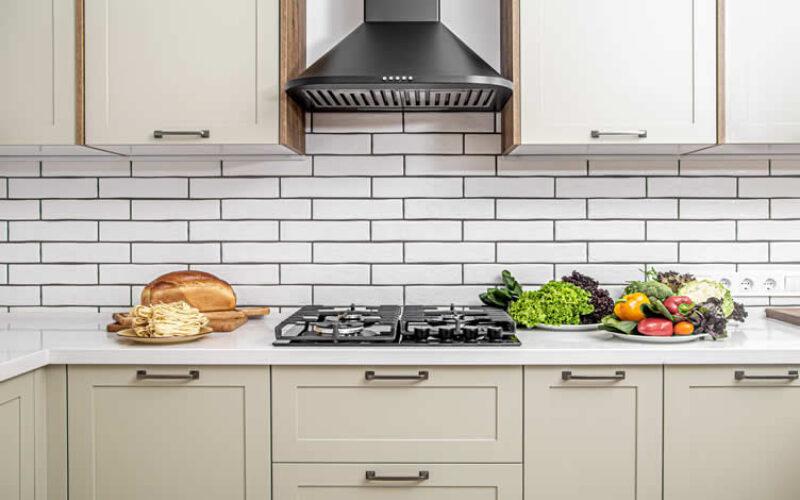
Kitchen Backsplash Styles: How to Pick the Perfect Look
The backsplash is one of the smallest surfaces in your kitchen, yet it carries an outsized influence on how the whole room feels.
Considering Your Budget
Durability does not have to break the bank. Stock cabinets, available in standard sizes and finishes, can provide great quality at lower prices if you select strong materials and good construction. For a bit more flexibility and quality, semi-custom cabinets allow you to adapt dimensions, select upgraded materials, and get better hardware without paying for full customization.
Custom designs offer the highest quality but may not be necessary to achieve durability if you shop smart at lower price points. For tips on making your investment last regardless of budget, check the advice from Architectural Digest.
Remember, investing in durability now can save you repair and replacement costs down the line. Check supplier warranties, customer reviews, and local reputation before making your purchase.
Some dealers offer package deals that bundle installation and finishing, helping you get more value for your budget. Be sure to set aside a small portion of your budget for unexpected upgrades that may become apparent as you start your renovation.
Maintenance Tips for Longevity
Simple care habits prolong the life of your kitchen cabinets. Wipe up spills quickly and avoid harsh chemical cleaners. Regularly tighten loose handles or drawer pulls and lubricate hardware as needed to ensure smooth performance.
Gentle, non-abrasive cloths are best for cleaning all surfaces. Choosing finishes and hardware that resist dirt makes cleaning more manageable and keeps your cabinetry looking new.
It’s also helpful to inspect cabinet interiors every few months, checking for water damage, minor swelling, or signs of pests. Promptly address any plumbing leaks under sinks to prevent moisture problems before they become severe.
Lining shelves and drawers with non-slip mats can prevent scratches and make cleanup easier in high-use zones. Taking these preventive steps goes a long way in keeping your cabinetry in top condition over the years.
Styling Your Kitchen Island
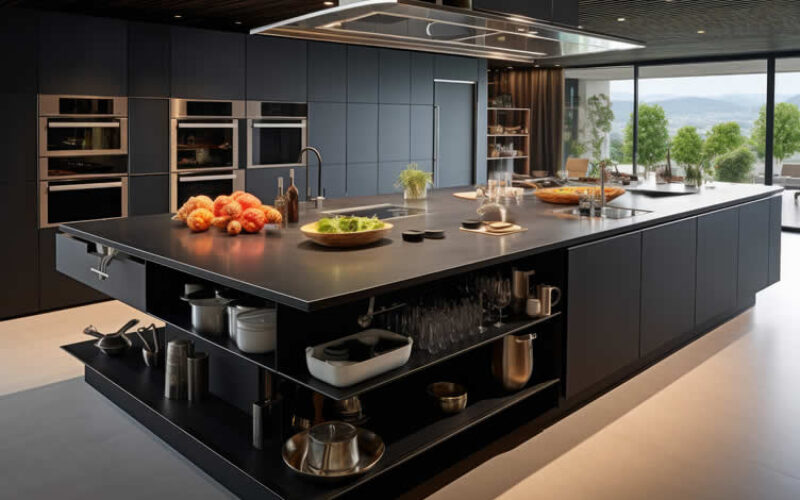
As you contemplate your kitchen cabinet needs, don’t forget to plan and style the kitchen island to complement your space.
The kitchen island serves as a multifunctional centerpiece, offering additional storage, workspace, and even seating possibilities.
Thoughtful design choices, such as selecting materials that align with your cabinetry and incorporating functional features, can enhance both the aesthetics and practicality of your kitchen.
view ideas: Ultimate Guide to Kitchen Islands (new win)
Final Thoughts
The most durable kitchen cabinets come from thoughtful choices about materials, construction, and daily habits. Consider each of these elements in balance with your budget needs and style preferences. Smart selections lead to cabinetry that looks great, functions well, and withstands the demands of everyday use for many years.
Above all, take your time comparing options. Visit showrooms, examine sample materials, and consult with design professionals if possible.
The right cabinets can transform your kitchen not only in appearance but also in how it supports your daily life. An investment in quality cabinetry pays dividends in both value and satisfaction as your kitchen becomes the heart of your home.
other related analysis of interest: (new win)
Find Kitchen Remodeling Services Kitchen Remodeling and Design Cabinets & Countertops Flooring Lighting Design Painting & Staining Wallcoverings Tile top-rated, pre-screened local contractors FREE: download contractor selection enter zip code – powered by HomeAdvisor ™


Image credit: durable kitchen cabinets by envato.com
end of post … please share it!
| more photo remodeling |
Jump Over to Our Photo Analysis Center for Ideas on
"Renovating Home"
|__________________________________________________________|
home remodeling surprise
find out where it might go - new win


Helpful article? Leave us a quick comment below.
And please share this article within your social networks.