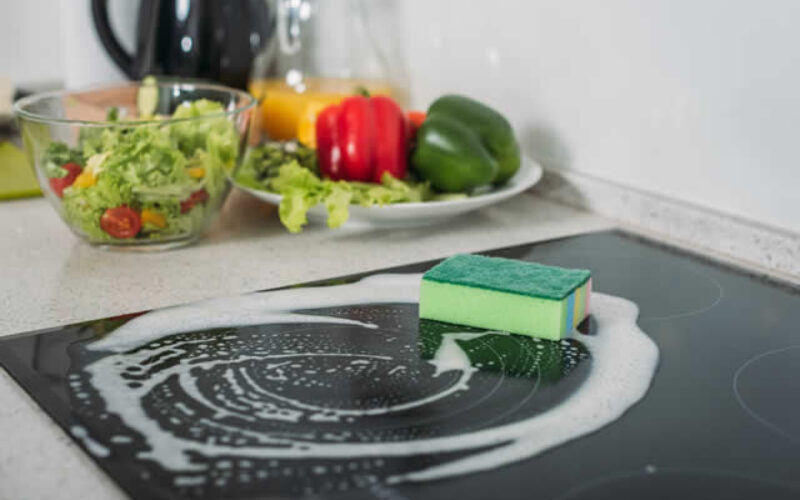
A kitchen that looks clean on the surface can still harbor bacteria on cutting boards, inside appliance seams, and along the underside of cabinet hinges.
Foodborne illness affects an estimated 48 million Americans each year, according to the Centers for Disease Control and Prevention (CDC, 2023).
A significant portion of those cases trace back to home kitchens, where cross-contamination, improper storage, and inconsistent sanitation create the conditions pathogens need to thrive. The good news? Most of these risks are entirely preventable with the right maintenance habits in place.
This guide walks through the essential cleaning and upkeep procedures that form the foundation of a genuinely safe kitchen—not just one that smells like lemon and looks spotless after a quick wipe-down.
- post content
- Why Surface Appearance Isn’t Enough
- Strategic Sanitation of Preparation Surfaces
- Appliance Maintenance and Food Safety
- Refrigerator Organization and Cold Storage
- Waste Management and Pest Prevention
- Maintaining Kitchen Infrastructure
- The Case for Professional Kitchen Deep Cleaning
- A Kitchen That Supports the Life Lived In It
- view table:content summary
- view notes:collective tips
- view ideas:latest remodeling analysis
- related post (new win):2026 kitchen trends
Why Surface Appearance Isn’t Enough
A countertop that gleams after a few passes with a damp cloth may still carry microbial loads invisible to the naked eye. Bacteria like Salmonella, E. coli, and Listeria monocytogenes don’t announce themselves. They colonize porous materials, settle into grout lines, and multiply rapidly in the moisture that lingers after routine cleaning.
The World Health Organization’s Five Keys to Safer Food framework specifically identifies surface sanitation as one of the most critical control points in food preparation environments (WHO, 2022). This means going beyond cleaning—which removes visible dirt—and prioritizing sanitation, which reduces microbial contamination to safe levels.
Food-safe, non-toxic sanitizing agents (such as diluted hydrogen peroxide or EPA-approved disinfectants formulated for kitchen use) applied after cleaning form a meaningful line of defense. High-touch areas deserve particular attention: faucet handles, refrigerator pulls, cabinet knobs, and appliance controls are among the most frequently overlooked transmission points in residential kitchens.

Strategic Sanitation of Preparation Surfaces
Countertops, cutting boards, and sink basins interact directly with raw food—making them ground zero for cross-contamination risk. Dedicating separate cutting boards to raw meat, produce, and ready-to-eat foods is a widely recommended practice, but it only works when those boards are properly sanitized between uses and replaced when deep scoring appears.

Stone and laminate countertops require different care. Porous natural stone like granite can harbor bacteria if unsealed or if sealant has degraded over time.
Annual resealing, paired with daily sanitization using pH-balanced, stone-safe products, maintains both the surface’s integrity and its hygienic performance.
For laminate and solid-surface counters, non-abrasive cleaners preserve the surface while preventing the micro-scratches that become bacterial refuges.
Sinks deserve a level of attention most households don’t give them. Raw proteins and vegetable debris regularly pass through, and moisture retention makes the basin and drain a high-risk zone.
Scrubbing the sink basin with a disinfecting cleaner daily, and treating the drain with a food-safe enzyme cleaner weekly, significantly reduces odor and bacterial accumulation (NSF, 2024).
Appliance Maintenance and Food Safety
Kitchen appliances are mechanical tools, and like all tools, their performance—and their safety—depends on consistent upkeep. Refrigeration is the most consequential area to get right.
The USDA recommends refrigerators be maintained at or below 40°F (4°C) to inhibit bacterial growth in stored food. Calibration drift is more common than most homeowners realize; refrigerator thermometers offer an inexpensive way to verify actual internal temperature, distinct from the dial setting.
Spills inside the refrigerator should be addressed immediately, particularly those from raw poultry or meat, which can contaminate lower shelves and crisper drawers if left unattended.
Ovens and microwaves accumulate grease and food residue that don’t just affect flavor—they create carbon buildup that, at high temperatures, can affect air quality in enclosed kitchen spaces. Thorough interior cleaning every four to six weeks, using non-toxic oven-safe degreasers, keeps residue from baking further into surfaces and maintains consistent heat distribution.
Range hoods and kitchen ventilation systems are frequently overlooked until a problem becomes obvious. Grease-saturated filters reduce airflow efficiency and, over time, become fire hazards.
The National Sanitation Foundation recommends filter cleaning or replacement every one to three months depending on cooking frequency (NSF, 2024). A functioning ventilation system also plays a role in reducing airborne grease particles and steam-driven humidity, both of which contribute to mold-conducive conditions.
Refrigerator Organization and Cold Storage
How a refrigerator is organized directly affects food safety. Raw proteins belong on the lowest shelf, sealed in leak-proof containers, to prevent drip contamination onto ready-to-eat items stored below. Dairy and eggs perform best in consistent-temperature zones—not the door, where temperature fluctuates most with regular opening and closing.
Visibility matters too. Overstuffed refrigerators impede airflow, creating warm pockets where food spoils faster. Periodic audits of refrigerator contents—removing expired items, wiping down shelves, and rotating older stock forward—are simple habits with meaningful food safety benefits.
Dry pantry storage follows similar logic. Airtight containers for dry goods like grains, legumes, and flour prevent both moisture intrusion and pest access.
Pantry shelves should be inspected regularly for signs of moisture damage, pest activity, or compromised packaging. Rotating stock by expiration date ensures nothing gets forgotten at the back of a shelf until it’s a health concern.
Waste Management and Pest Prevention
Food waste creates two distinct kitchen health challenges: odor and biological contamination on one hand, and pest attraction on the other. Both are manageable with consistent protocol.
Bins that hold organic waste should be lined, emptied frequently—daily in warm climates or during summer months—and cleaned with disinfectant regularly to prevent odor-producing bacterial growth.
Compost systems, when maintained well, offer an alternative for food scraps that keeps organic matter out of general waste while still requiring the same level of cleanliness discipline.
Garbage disposals are a concentrated source of microbial activity and deserve regular attention beyond simple operation. Running the disposal with cold water and a small amount of baking soda followed by white vinegar helps break down buildup inside the grinding chamber.
Periodic cleaning with disposal-safe cleaning tablets maintains hygiene at a point where food debris and moisture combine under warm conditions—ideal circumstances for bacterial and mold growth.
Gaps, cracks, and poor pantry seals represent entry points for pests. Regular inspection of baseboards, cabinet interiors, and the areas around plumbing pipes under sinks can identify early signs of pest activity before an infestation takes hold.
Addressing structural vulnerabilities promptly, in combination with rigorous waste management, removes the conditions that attract insects and rodents in the first place.
more info below about kitchen pests

Identifying and Resolving a Home Pest Invasion
Understanding how to identify common household pests and knowing effective methods to control them are crucial steps in maintaining a safe and comfortable living environment.
Maintaining Kitchen Infrastructure
The physical condition of a kitchen influences its hygiene in ways that aren’t always immediately obvious. Cracked grout between tiles becomes a refuge for mold and bacteria.
Peeling caulk around sinks and countertops allows moisture to penetrate beneath surfaces, encouraging mold growth in hidden spaces. Worn or damaged flooring near the sink or dishwasher can trap water and create ongoing moisture problems.
Annual kitchen inspections—examining caulk integrity, grout condition, the state of cabinet liners, and the seals on appliance doors—allow homeowners to catch and address minor deterioration before it becomes a more significant health or structural issue.
These maintenance intervals can be coordinated with seasonal deep-cleaning routines to make the process manageable.
The Case for Professional Kitchen Deep Cleaning
Even the most diligent homeowner will miss areas. Behind the refrigerator, inside range hood ductwork, beneath built-in appliances, and within the mechanical components of dishwashers are zones that routine cleaning doesn’t easily reach.
Professional kitchen deep cleaning services use commercial-grade equipment and food-safe sanitation agents to address these areas with a level of thoroughness that provides reassurance beyond what standard household cleaning achieves.
The NSF’s Residential Kitchen Cleaning Standards recommend a comprehensive deep clean at least twice annually for household kitchens used with regular frequency (NSF, 2024). For households with young children, elderly residents, or individuals with compromised immune systems, that frequency is a minimum rather than a ceiling.
A Kitchen That Supports the Life Lived In It
The kitchen is where nourishment happens—not just through the food prepared, but through the care invested in the space itself. Approaching kitchen maintenance with the same intentionality brought to meal planning pays dividends in safety, in longevity of surfaces and appliances, and in the quiet confidence of knowing the environment is genuinely clean.
Sustainable kitchen health isn’t achieved through a single deep clean. It’s built through consistent, well-informed habits: strategic sanitation, disciplined appliance upkeep, smart storage, and attentive waste management.
Start with one area that needs the most attention, establish a rhythm, and expand from there. A kitchen that functions safely is one of the most meaningful contributions a homeowner can make to the wellbeing of everyone who gathers around the table.
other related analysis of interest: (new win)
Utilize Your Space: The Ultimate Guide to Kitchen Island Styles
Kitchen Countertop Appliances: Essential Tools for Modern Food Preparation
| Aspect of Kitchen Maintenance | Description | Recommended Practices |
|---|---|---|
| Surface Sanitation | Cleaning visible dirt and reducing microbial contamination on preparation areas like countertops, cutting boards, and sinks to safe levels. | Use food-safe sanitizing agents after cleaning. Pay special attention to high-touch areas like faucet handles and appliance controls. |
| Appliance Maintenance | Ensuring the safety and efficiency of tools like refrigerators, ovens, and range hoods through regular cleaning and calibration. | Maintain refrigerator temperatures below 40°F, clean spills immediately, and replace range hood filters every 1-3 months for optimal ventilation. |
| Refrigerator and Pantry Organization | Managing food storage to avoid cross-contamination and spoilage while optimizing airflow and maintaining freshness. | Store raw proteins on the lowest shelf, rotate stock by expiration, and use airtight containers for dry goods to prevent pests and moisture intrusion. |
| Waste Management | Reducing microbial activity and minimizing pest attraction through proper disposal and maintenance of garbage storage areas. | Empty organic waste frequently, clean bins with disinfectants regularly, and inspect for structural vulnerabilities that allow pests entry. |

Find Home Cleaning Services Home Cleaning Carpet-Drapes Property Clean-Up Windows top-rated, pre-screened local contractors FREE: download contractor selection enter zip code – powered by HomeAdvisor ™


Image credit: kitchen clean health by envato.com
end of post … please share it!
| more photo remodeling |
Jump Over to Our Photo Analysis Center for Ideas on
"Renovating Home"
|__________________________________________________________|
home remodeling surprise
find out where it might go - new win


Helpful article? Leave us a quick comment below.
And please share this article within your social networks.