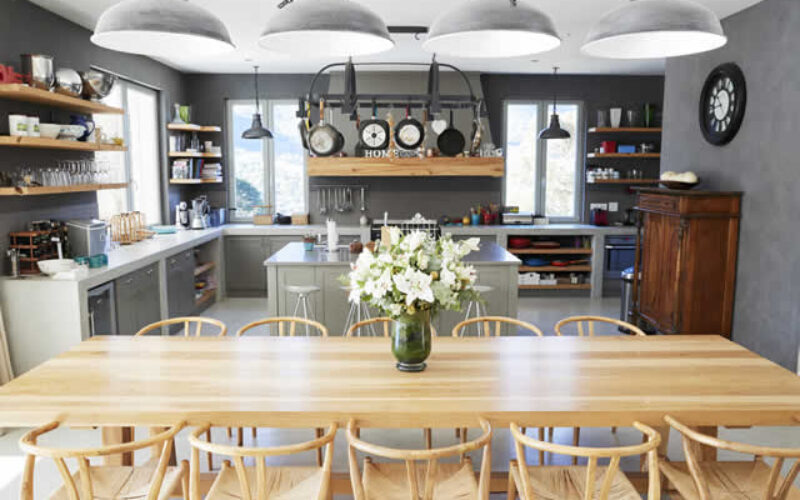
A well designed kitchen brings these elements together in a way that feels intentional and harmonious. Achieving that balance requires careful planning, a clear understanding of design principles, and thoughtful layering of materials.
When done correctly, the result is a kitchen that feels both functional and elevated without appearing overdesigned.
- post content
- Understanding the Role of Texture in Kitchen Design
- Mixing Metals Without Creating Visual Clutter
- Coordinating Wood Tones for Warmth and Cohesion
- Integrating Appliances Into the Overall Design
- Creating a Cohesive Design Through Repetition and Contrast
- conclusion
- view notes:collective tips
- shop n’ compare:kitchen cookwares
- view ideas:latest remodeling analysis
Understanding the Role of Texture in Kitchen Design
Texture is one of the most powerful yet often overlooked elements in kitchen design. It creates depth and prevents a space from feeling flat, especially in kitchens that rely on neutral color palettes.
Incorporating a mix of textures can be as simple as pairing smooth countertops with a subtly patterned backsplash or combining matte cabinetry with polished fixtures.
Natural materials are a great starting point. Stone countertops, whether polished or honed, introduce organic variation that adds character. Tile backsplashes with slight variation in finish or pattern can create visual interest without overwhelming the space.
Even smaller elements such as woven barstools or textured light fixtures contribute to the overall feel of the kitchen.
The key is restraint. Too many competing textures can make the space feel chaotic. A good rule is to choose one primary texture, supported by one or two complementary elements. This approach ensures that each material has room to stand out while still contributing to a unified design.

Mixing Metals Without Creating Visual Clutter
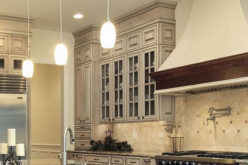
Metal finishes play a major role in modern kitchen design, from cabinet hardware and faucets to lighting and appliances. While it may seem simpler to stick with a single finish, mixing metals can create a more dynamic and layered look when done thoughtfully.
The first step is to select a dominant metal that will appear most frequently throughout the space. This might be stainless steel for appliances or brushed nickel for fixtures.
Once established, a secondary metal can be introduced in smaller doses. For example, warm brass accents can complement cooler tones and add contrast.
Consistency in undertones is essential. Warm metals such as brass and copper tend to pair well together, while cooler options like chrome and stainless steel create a more streamlined look. Mixing too many different finishes without a clear plan can result in a disjointed appearance.
Scale and placement matter as well. Larger items like appliances or range hoods should generally align with the dominant finish, while smaller details such as drawer pulls or lighting fixtures can introduce variation. This balance keeps the design intentional rather than random.
something of interest below
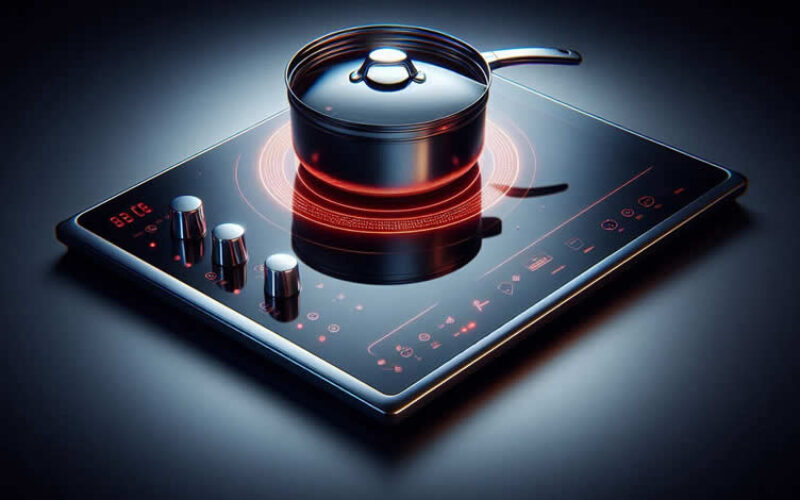
Elevate Your Culinary Journey: Mastering Modern Cookware
The most prominent kitchen cookware trends point toward a beautiful synergy between rugged utility and striking visual design.
Coordinating Wood Tones for Warmth and Cohesion
Wood tones bring warmth and natural beauty into the kitchen, but coordinating them requires careful consideration. Unlike paint colors, wood has unique grain patterns and undertones that can either complement or clash with each other.
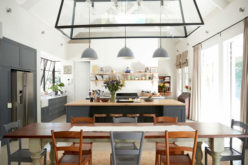
When working with multiple wood elements, such as cabinetry, flooring, and open shelving, it is important to maintain a sense of cohesion. This does not mean everything needs to match exactly. In fact, slight variation often looks more natural.
The goal is to ensure that undertones are compatible. For example, mixing warm toned woods like oak and walnut can create a rich, layered appearance, while combining warm and cool toned woods without intention may feel inconsistent.
Contrast can also be effective when used strategically. Light wood cabinets paired with darker flooring can define the space and add visual depth. In smaller kitchens, lighter wood tones can help create an open and airy feel, while darker woods add a sense of grounded sophistication.
Finishes also make a difference. Matte and satin finishes tend to feel more contemporary, while high gloss finishes can create a more formal look. Choosing the right finish helps integrate wood elements seamlessly with other materials in the space.
Integrating Appliances Into the Overall Design
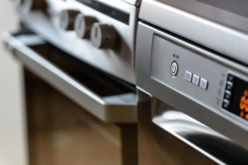
Appliances often serve as focal points in the kitchen, which makes their integration into the overall design especially important. Their finish, size, and placement can influence how textures, metals, and wood tones come together.
Stainless steel remains a popular choice because of its versatility and compatibility with a wide range of styles. However, newer finishes such as matte black or panel ready appliances offer additional flexibility for those seeking a more customized look. Panel ready designs allow appliances to blend seamlessly with cabinetry, reducing visual interruptions and emphasizing other design elements.
For homeowners exploring their options, evaluating high end appliances in San Diego or your area can provide a better understanding of how different finishes and styles interact with cabinetry, countertops, and hardware. Seeing these combinations in person often makes it easier to envision how they will function within a specific kitchen layout.
Proportion also plays a role. Oversized appliances in a small kitchen can dominate the space, while undersized options may feel out of place in larger, open layouts.
Ensuring that appliances are appropriately scaled helps maintain balance across all design elements.
Creating a Cohesive Design Through Repetition and Contrast
A well balanced kitchen design relies on both repetition and contrast. Repetition creates consistency by carrying key elements throughout the space, while contrast adds interest and prevents monotony.
For example, repeating a specific metal finish in hardware and lighting fixtures helps tie the design together. Similarly, echoing a wood tone in multiple areas, such as shelving and cabinetry, reinforces cohesion. These repeated elements create a sense of rhythm that makes the space feel intentional.
At the same time, contrast is necessary to avoid a flat or overly uniform look. This can be achieved through subtle variations in texture, color, or material. A smooth quartz countertop paired with a textured tile backsplash creates a pleasing balance, as does combining warm wood tones with cooler metal finishes.
The goal is to achieve harmony rather than perfect uniformity. Each element should feel connected to the overall design while still contributing its own unique character. Thoughtful layering of materials ensures that the kitchen feels both dynamic and cohesive.
Conclusion
Balancing textures, metals, and wood tones in the kitchen requires a thoughtful approach that blends creativity with practical design principles. By carefully selecting and coordinating these elements, homeowners can create a space that feels visually engaging without becoming overwhelming.
Texture adds depth, metals introduce contrast, and wood tones provide warmth, all working together to shape the overall aesthetic.
When each component is chosen with intention and integrated seamlessly, the result is a kitchen that feels cohesive, functional, and timeless.
other related analysis of interest: (new win)
Find Kitchen Remodeling Services Kitchen Remodeling and Design Cabinets & Countertops Flooring Lighting Design Painting & Staining top-rated, pre-screened local contractors FREE: download contractor selection enter zip code – powered by HomeAdvisor ™


Image credit: wood tones in the kitchen by envato.com
end of post … please share it!
| more photo remodeling |
Jump Over to Our Photo Analysis Center for Ideas on
"Renovating Home"
|__________________________________________________________|
home remodeling surprise
find out where it might go - new win


Helpful article? Leave us a quick comment below.
And please share this article within your social networks.