Your choice of decking materials will determine not only the appearance of your outdoor space but also its longevity, maintenance requirements, and overall cost over time.
Whether you’re planning a cozy reading nook or an expansive entertainment area, understanding the characteristics of each material helps ensure your deck serves your family’s needs for years to come.
This comprehensive post examines the three primary categories of decking materials available today, providing you with the expert knowledge needed to make an informed decision that aligns with your budget, lifestyle, and aesthetic preferences.
- post content
- Understanding Your Decking Material Options
- Wood Decking: Natural Beauty with Traditional Appeal
- Composite Decking: Modern Engineering Meets Natural Appearance
- PVC Decking: Maximum Durability and Weather Resistance
- Making the Right Choice for Your Project
- view table:content summary
- view key:collective notes
Understanding Your Decking Material Options
The modern decking market offers three distinct categories of materials, each engineered to address different homeowner priorities. Traditional wood decking appeals to those who appreciate natural beauty and are comfortable with regular maintenance routines.
Composite decking attracts homeowners seeking the appearance of wood without the extensive upkeep requirements. PVC decking serves those prioritizing maximum durability and minimal maintenance in challenging weather conditions.
Each material category brings unique advantages and considerations that directly impact your deck’s performance, appearance, and long-term value. The following sections examine these options in detail, helping you understand which solution best matches your specific situation.

Wood Decking: Natural Beauty with Traditional Appeal
Wood decking remains the most popular choice among homeowners who value authentic natural materials and classic aesthetic appeal. Cedar, redwood, and pressure-treated pine represent the most common wood options, each offering distinct characteristics that influence both appearance and performance.

Cedar naturally resists insects and moisture due to its inherent oils, making it an excellent choice for outdoor applications. Its warm, honey-colored appearance weathers to an attractive silver-gray patina over time.
Redwood provides similar natural resistance properties while offering a rich, reddish-brown color that many homeowners find particularly appealing.
Pressure-treated pine offers the most budget-friendly wood option, treated with preservatives to resist rot and insect damage.
The primary advantages of wood decking include its natural beauty, relatively low initial cost, and ease of repair when individual boards require replacement. Wood feels comfortable underfoot, even in direct sunlight, and can be stained or painted to achieve virtually any desired color scheme.
Additionally, wood decking materials are widely available at most home improvement centers, making replacement boards easy to source when needed.
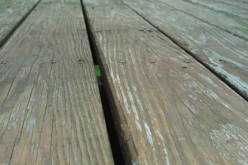
However, wood decking requires consistent maintenance to preserve its appearance and structural integrity. Annual cleaning, staining, and sealing protect the wood from moisture damage, UV rays, and insect infestations.
Without proper maintenance, wood decks can develop splinters, warping, and premature deterioration that compromises both safety and appearance. The ongoing maintenance requirements represent a significant time and cost commitment that some homeowners prefer to avoid.
Composite Decking: Modern Engineering Meets Natural Appearance
Composite decking materials blend wood fibers with recycled plastics to create boards that mimic wood’s appearance while offering superior durability and reduced maintenance requirements. Leading manufacturers like Trex, TimberTech, and Fiberon have developed sophisticated manufacturing processes that create realistic wood grain patterns and color variations.
The primary advantage of composite decking lies in its exceptional durability and minimal maintenance requirements. Composite boards resist fading, staining, scratching, and moisture damage that commonly affect natural wood.
Most composite decking carries warranties ranging from 25 to 50 years, demonstrating manufacturers’ confidence in their products’ longevity. Unlike wood, composite decking never requires staining, sealing, or painting, though occasional cleaning maintains its optimal appearance.
Composite materials also offer enhanced safety features, as they don’t splinter or develop sharp edges over time. The consistent manufacturing process ensures uniform board dimensions and eliminates the knots, grain irregularities, and other natural variations that can create weak points in wood decking.
The primary drawbacks of composite decking include higher initial costs compared to wood and limited color options once installed. While composite boards can be cleaned and maintained, they cannot be stained or painted to change their appearance.
Some composite materials may fade slightly over time, though modern formulations have significantly improved color stability. Additionally, composite decking can become quite hot in direct sunlight, potentially making it uncomfortable for bare feet during peak summer temperatures.

7 Deck Decorating Ideas to Impress Your Guests
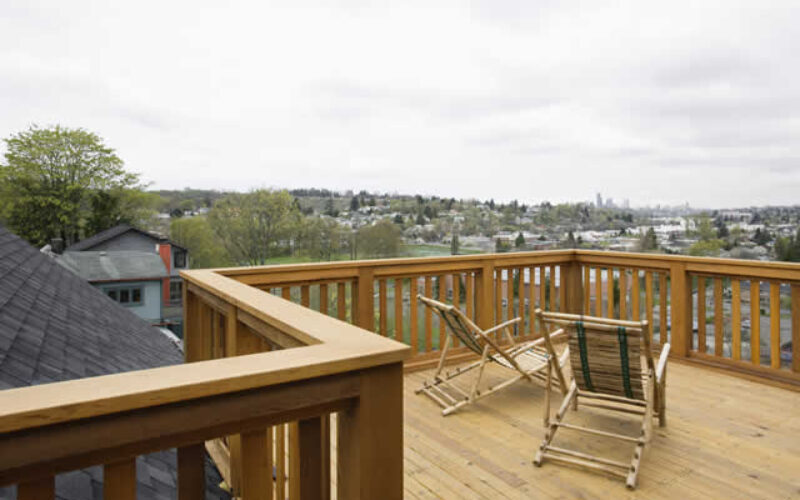
A well-decorated deck transforms an ordinary outdoor space into an inviting retreat, perfect for relaxation and entertaining guests. As a homeowner, your deck can become a focal point for gatherings, a serene spot for unwinding, and a testament to your personal style.
PVC Decking: Maximum Durability and Weather Resistance
PVC decking represents the newest category of decking materials, engineered entirely from synthetic materials to provide maximum resistance to weather, insects, and moisture. Unlike composite materials that blend wood fibers with plastics, PVC decking contains no organic materials, eliminating the possibility of rot, decay, or insect damage.
The exceptional durability of PVC decking makes it particularly suitable for challenging environments, including coastal areas with salt air exposure, regions with extreme temperature fluctuations, and locations with high moisture levels.
PVC materials resist staining from spills, don’t harbor mold or mildew, and maintain their structural integrity even after years of exposure to harsh weather conditions.
PVC decking offers the lowest maintenance requirements of any decking material, requiring only occasional cleaning with soap and water to maintain its appearance. The synthetic materials resist scratching and won’t splinter, providing a consistently safe surface for families with children. Many PVC decking products include slip-resistant textures that enhance safety in wet conditions.
However, PVC decking typically carries the highest initial cost among all decking materials, which can impact project budgets significantly. The synthetic materials may look less natural than wood or high-quality composite alternatives, though manufacturing improvements continue to enhance realistic appearance.
Environmental considerations also factor into PVC selection, as the manufacturing process and end-of-life disposal present different challenges compared to wood or composite materials.
Making the Right Choice for Your Project


Selecting the ideal decking material requires balancing your priorities regarding initial cost, long-term maintenance, appearance preferences, and environmental considerations.
Homeowners comfortable with regular maintenance and appreciating natural materials often find wood decking provides excellent value and timeless appeal.
Those seeking reduced maintenance while maintaining wood-like appearance frequently choose composite decking as the optimal compromise. Projects requiring maximum durability in challenging environments benefit from PVC decking’s superior weather resistance.
Consider your local climate conditions, intended deck usage patterns, and long-term maintenance preferences when evaluating these options. Speaking with local contractors and visiting deck installations in your area provides valuable insights into how different materials perform in your specific environment.
Additionally, many manufacturers offer sample boards that allow you to evaluate appearance, texture, and quality before making your final decision.
other related analysis of interest: (new win)
Resource Citations
| Material | Advantages | Disadvantages | Ideal For |
|---|---|---|---|
| Wood Decking | – Natural beauty with authentic aesthetics – Budget-friendly (pressure-treated pine) – Customizable with stain or paint – Comfortable underfoot – Widely available |
– High maintenance (cleaning, staining, sealing) – Prone to splinters, warping, and insect damage – Shorter lifespan without proper upkeep |
– Homeowners valuing classic, natural appeal – Those comfortable with regular maintenance – Budget-conscious projects |
| Composite Decking | – Durable and low maintenance – Resistant to fading, staining, and scratching – Splinter-free for added safety – Long warranties (25-50 years) – Uniform boards with wood-like appearance |
– Higher initial cost – Cannot be stained or painted once installed – Can become hot under direct sunlight |
– Those seeking reduced upkeep – Families wanting a splinter-free experience – Mid- to high-budget projects |
| PVC Decking | – Maximum durability and weather resistance – Resistant to rot, decay, insects, mold, and mildew – Minimal maintenance (soap and water cleaning) – Slip-resistant textures available – Suitable for harsh climates |
– Highest initial cost – Less natural appearance than wood/composite – Environmental concerns over production and disposal |
– Extreme weather conditions (coastal areas, wet regions) – Homeowners prioritizing minimal upkeep – High-budget projects requiring longevity |
Find Outbuilding Services Gazebos Play Equipment Outbuildings Fences Porches Waterproofing Sheds Retaining Walls top-rated, pre-screened local contractors FREE: download contractor selection enter zip code – powered by HomeAdvisor ™


Image credit: best decking materials by envato.com
end of post … please share it!
| more photo remodeling |
Jump Over to Our Photo Analysis Center for Ideas on
"Renovating Home"
|__________________________________________________________|
home remodeling surprise
find out where it might go - new win


Helpful article? Leave us a quick comment below.
And please share this article within your social networks.