Rather than considering design and functionality as two discrete elements, this method unites them immediately. This would lead to a smoother process and an improved final product.
This article will assist you in going through every step.
Why Design Matters from the Start
Traditionally, development begins with a performance, cost, and schedule plan. Design may be applied afterward to enhance appearance or correct the layout.
However, when design is given the priority, the rest of the process follows. Good design is that which ensures the space functions and appears good, at the very outset.
Materials, use of space, and even the touch of a building or product can be directed in an early design decision. It also assists in avoiding change costs in the future.
When the balance between design and functionality is established, then at least there is a reduced number of fixes later.

Balancing Form and Function
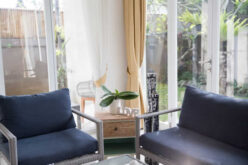
An attractive space or a product is not just a well-designed one. It is more effective. To take an example: a house with natural lighting and intelligent designs not only appears good, but is also more pleasant to work with on a daily basis.
Form versus function is a balance that is achieved through design-driven development. The idea that design can make people interact with a space better is supported by this approach as well. An intelligent design can facilitate navigation.
Proper lighting can be used to make the situation serene. These are design decisions that make normal life easier without the need for fancy add-ons.
Quicker, Brighter Decisions
Decisions are able to be made more rapidly when design is in charge. Teams understand the final picture and can achieve it without getting lost. This minimizes time wastage and puts one on schedule.
Fewer revisions imply less time and money wasted. Communication is enhanced by design-driven development. All the parties, designers, builders, and clients know the plan. The result of that shared vision is more solid outcomes and fewer unexpected ones.
Supporting Sustainability
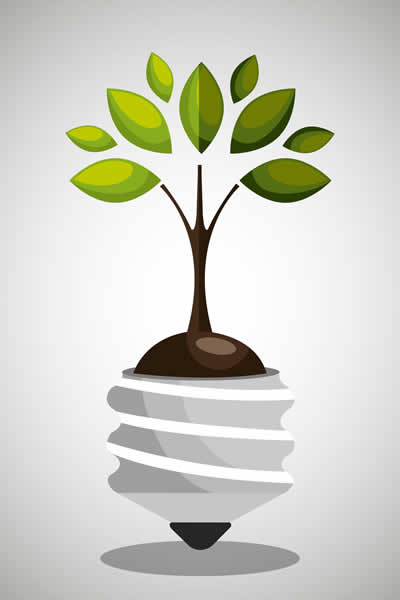
Good design is not only about looks or functionality. It is also a factor in the sustainability of a project. Design planning should be done early to have in it the features that will reduce the amount of energy consumed, minimize waste, and be efficient in the long run.
The design can incorporate natural airflow, green materials, and solar access in the design. This progressive way of thinking will ensure that the projects can achieve their environmental objectives without having to make significant changes in the future. The collaboration of design and development helps to plan the future and safeguard resources more easily.
An Improved End User Experience
Ultimately, it is people who use the space or the product. Design-driven development has its needs in mind. The interface is user-friendly.
The atmosphere facilitates comfort and ease. Such minor features as sound control or smart storage can make a huge difference in everyday life.
Development driven by design will be reflected in the end product. The outcome does not seem to be stitched together. Each aspect of the construction has a definite reason. That brings about improved user satisfaction.

How Modern Architecture Firms Use Technology to Transform Design
Architectural technology has revolutionized the way homes are built and remodeled, bringing greater efficiency, precision, and sustainability to the process. From 3D modeling and virtual reality tools to advanced building materials and energy-efficient designs, these innovations allow homeowners and builders to visualize and create spaces that are both functional and aesthetically pleasing.
The Creative Team’s Role
This approach also gives more importance to the creative input. The designers are not called in later to make things look good; they are part of it right at the beginning. Their understanding influences the functioning of spaces and the way people will feel in them.
They do not work behind the builders and developers. This transition assists in opening new concepts. Solutions can be seen by designers that other people could not. Involving them in the process early in the process, it leaves room for more intelligent, efficient builds.
Teams are already successfully using this method in cities that have creative building practices, such as Boulder. Design-first thinking is assisting Boulder-based architects and developers in producing projects that are practical as well as beautiful.
other related analysis of interest: (new win)
What Are the Benefits of a Steam Shower? The Ultimate Guide to Better Health
7 Stunning Pool Designs That Will Transform Your Backyard Oasis
Conclusion
With the increasing number of teams moving towards design-driven development, the barriers between design and construction are increasingly becoming blurred.
Projects become more efficient and more appropriate to the people using them. Rather than just having it be about deadlines or a budget, this process begins with a larger ambition: to make spaces that work and feel good
When design is put in focus, development is more considered and not hurried. It is no longer about short-term solutions but long-term solutions. This is not the trend; it is a smarter way into the future, where art and efficiency merge in each step.
Find Home Remodeling Services Additions Major Remodels Minor Remodels Disability Needs Plumbing Drain Clearing Appliances Electrical top-rated, pre-screened local contractors FREE: download contractor selection enter zip code – powered by HomeAdvisor ™


Image credit: design-driven development by envato.com
end of post … please share it!
|__________________________________________________________|
home remodeling surprise
find out where it might go - new win


Helpful article? Leave us a quick comment below.
And please share this article within your social networks.