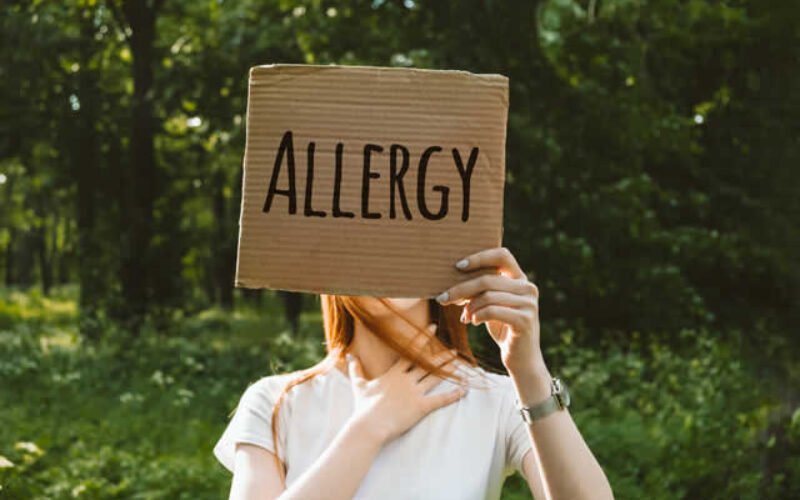
Allergy season doesn’t just call for medication – it demands action inside your home. With the right cleaning habits and timely HVAC maintenance, you can create a safe allergy-free haven for your family.
Let us walk through some expert-backed home cleaning and maintenance tips that will help you breathe easier, stay healthier, and maybe even save on energy bills.
- post content
- 1. Start with a Deep Cleaning Session
- 2. Replace Your Air Filters and Not Just Once a Year
- 3. Schedule a Professional AC Tune-Up
- 4. Don’t Forget the Ducts
- 5. Upgrade to a Smart Thermostat
- 6. Keep Humidifiers and Dehumidifiers Clean
- 7. Pay Attention to Windows, Doors, and Entryways
- 8. Wash or Replace Pet Bedding and Toys
- 9. Know When to Replace Your AC
- conclusion
- view key:collective notes
1. Start with a Deep Cleaning Session
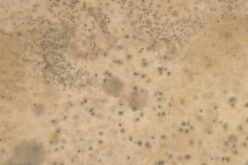
Allergy season is the perfect time for a full-home deep clean. Dust mites, pet dander, pollen and mold spores tend to accumulate in the least expected places – under furniture inside vents, and around window sills.
Key focus areas:
- Weekly wash bedding and curtains in hot water
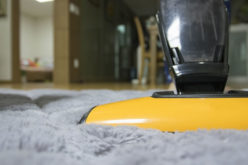
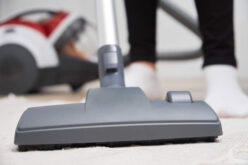
- To trap fine particles use a vacuum with a HEPA filter
- Mop floors to pick up what vacuuming misses.
- Wipe down ceiling fans and baseboards – hidden dust magnets.
For extra protection consider replacing your regular cleaning products with fragrance-free or non-toxic alternatives that don’t irritate respiratory symptoms.

2. Replace Your Air Filters and Not Just Once a Year
The HVAC filter of your home is important in keeping the air clean in which you breathe. As time passes it collects dust, pet dander and other airborne particles.

And finally when it gets clogged, then the airflow is restricted and those trapped allergens can start circulating back into your living space – making allergies and air quality worse.
Pro Tip:
Replace filters every 1 – 3 months, especially during peak allergy season.
If your household includes pets, smokers, or anyone with asthma, consider upgrading to MERV 11 or higher-rated filters which can trap even microscopic particles like pollen and mold spores.
3. Schedule a Professional AC Tune-Up
Your air conditioning system does more than cool your home – it helps regulate indoor air quality. But only if it is running efficiently.
During allergy season your AC system needs to be in top shape to prevent the build-up and spread of allergens. A professional AC tune-up includes:
- Cleaning evaporator and condenser coils
- Checking refrigerant levels
- Clearing out the condensate drain (to prevent mold growth)
- Testing airflow and thermostat accuracy
At Good Guys Home Services, we offer AC repair, maintenance and full system replacements to help homeowners in Indiana beat allergy season with clean cool air that’s free of irritants.
Don’t wait until you’re sneezing to schedule service. Preventive care saves money and headaches.
4. Don’t Forget the Ducts
Your home’s air ducts are like the lungs of your house – so when they’re dirty, you feel it. Dust, mold, pollen and even insects can hide in ductwork and get blown into every room when your AC or heat runs.
A professional duct cleaning can significantly reduce airborne allergens and improve HVAC efficiency.
Signs your ducts might need cleaning:
- Visible dust coming from vents
- Unexplained increase in allergies
- Musty or stale odors
- Inconsistent heating or cooling
The National Air Duct Cleaners Association recommends an inspection every 3 – 5 years – or sooner if you’re dealing with allergy symptoms.
CDC Guidance on Indoor Allergen Control offers further insight into why duct cleanliness matters.
5. Upgrade to a Smart Thermostat
Looking to stay more comfortable and breathe easier? A good thermostat can help with both by maintaining a balanced home temperature and humidity, it also decreases the chances of mold and dust mites growing which eventually help in reducing allergy symptoms.
So it would be better if you try to keep your home’s temperature between 68°F and 72°F for comfort. For humidity aim to stay within 30% to 50% that’s the sweet spot to help prevent allergens from spreading.
Some models even send reminders to change your air filters or notify you when the indoor air quality dips – so you can act fast before allergies take hold.
6. Keep Humidifiers and Dehumidifiers Clean
Humidity control is a main player in allergy prevention. Air that is also dry can irritate your nose and throat while too much moisture boosts mold and dust mites. To get the most from your humidifier or dehumidifier make sure it is clean & well-maintained.
Wipe down the tank daily & once a week use white vinegar or hydrogen peroxide to break down any mineral deposits and kill bacteria.
Don’t forget to check filters and tanks for mold or gunk. A clean machine means healthier air and less sneezing – throughout the season.
The EPA offers a helpful guide on controlling indoor air moisture.
7. Pay Attention to Windows, Doors, and Entryways
Even if you’re filtering indoor air outside allergens sneak in through open windows or leaky seals. Quick ways to allergy-proof entrances:
- Install weather stripping or door sweeps.
- Add doormats inside and outside.
- Leave shoes at the door to prevent pollen tracking.
- Close windows during high pollen hours (morning and early evening).

Combating Indoor Air Pollution for Better Home Improvement
We tend to associate air pollution primarily with exhaust fumes or industrial emissions, but the truth is, that the air inside our homes can be just as tainted, if not more so.
8. Wash or Replace Pet Bedding and Toys
Our pets are beloved family members but they can unknowingly bring allergens into the home. Dander, pollen and dust frequently stick to their fur which makes the pet beds blankets and toys possible hotspots for allergic reactions.
You can also wash pet bedding with hot water once a week to reduce allergen & gently wipe your pet down after outdoor play with pet-safe wipes to remove pollen and dirt from their coat.
Vacuuming the furniture regularly with fabric attachments can also help control shedding and dander. For an extra layer of protection consider placing air purifiers with HEPA and activated carbon filters in rooms where your pets spend the most time.
9. Know When to Replace Your AC
If your system is older than 12–15 years and constantly needing repairs it might be time to consider an AC replacement. Modern HVAC systems offer:
- Improved allergen filtration
- Higher energy efficiency
- Quieter operation
- Smart home integrations
Plus, new systems are designed to circulate cleaner & healthier air – critical for households dealing with seasonal allergies.
Our Avon-based team at Good Guys Home Services can help you choose a system that fits your space, budget and indoor air needs. We are locals and we know Indiana weather. Trust us to keep your home breathing easy.
other related analysis of interest: (new win)
How to Choose the Best Area Rugs for Every Room with Hard Surface Floors
Final Thoughts
Allergy season does not have to take over your comfort at home. With a few proactive cleaning habits and timely HVAC maintenance you can create an environment that helps you breathe easier – even when the pollen count spikes outside.
Start with simple steps like swapping air filters, decluttering your space and booking a professional AC tune-up to ensure your system isn’t circulating allergens.
The cleaner your home and HVAC system the fewer irritants you’ll inhale. Remember, real relief from seasonal allergies starts right where you live. So take action today – your lungs will thank you tomorrow.
Find Home Cleaning Services Home Cleaning Carpet-Drapes Property Clean-Up Windows top-rated, pre-screened local contractors FREE: download contractor selection enter zip code – powered by HomeAdvisor ™


Image credit: by envato.com
end of post … please share it!
| more photo remodeling |
Jump Over to Our Photo Analysis Center for Ideas on
"Renovating Home"
|__________________________________________________________|
home remodeling surprise
find out where it might go - new win


Helpful article? Leave us a quick comment below.
And please share this article within your social networks.