In this winter post, we will explore eight essential strategies to weatherproof your home’s exterior. By implementing these professional techniques, you can fortify your property and protect it from harsh weather conditions, ensuring its structural integrity and your peace of mind.
From sealing and protecting the roof to insulating windows and doors, we will provide you with expert insights and practical tips to safeguard your home from the elements. Let’s dive in and discover how to weatherproof your home’s exterior effectively.
Seal and Protect the Roof
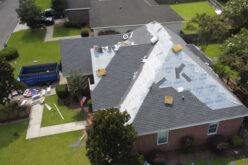
The roof is a critical barrier between your home and the elements. To weatherproof it effectively, inspect for any damaged or missing shingles that might allow water seepage.
Repair these areas promptly to prevent leaks and potential structural damage. Additionally, consider applying a high-quality roof sealant that can withstand extreme weather conditions, adding an extra layer of protection against water infiltration and temperature fluctuations.
Regular maintenance by a roofing contractor can extend the lifespan of your roof. They can check for underlying issues such as weakened flashing around vents and chimneys, which are common entry points for moisture. By addressing these vulnerabilities, homeowners can ensure their roofs remain sturdy and resilient against harsh weather.

Insulate Windows and Doors
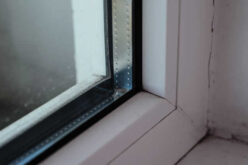
Windows and doors often serve as gateways for drafts and moisture if not adequately sealed. Weather stripping around these areas provides an effective solution, reducing energy loss and keeping the interior comfortable.
Choose durable materials like silicone or rubber for long-lasting protection against wind and rain.
Double-glazed windows offer an additional benefit by insulating against heat loss during winter while keeping interiors cool in summer.
If replacing windows isn’t feasible, applying window film can enhance insulation properties. Installing storm doors adds another layer of defense against the elements, complementing existing entryways with increased resistance to weather-related wear.
Reinforce Exterior Walls
Exterior walls must withstand everything from torrential rain to scorching sunrays. Applying a quality waterproof paint or masonry sealer can protect surfaces from water penetration while also preventing mold growth within walls. Regularly check for cracks or gaps where air and water might infiltrate and repair them with appropriate fillers.
For homes in hurricane-prone areas, reinforcing walls with impact-resistant materials offers added security. Consider consulting waterproofing specialists, such as the team at Rite-Way Waterproofing, to explore advanced options tailored to specific environmental challenges faced by your home’s location.
Upgrade Gutters and Downspouts
Effective gutter systems channel rainwater away from the house, safeguarding the foundation from potential water damage. Ensure gutters are free of debris such as leaves and twigs that could cause blockages and lead to overflow during heavy rainfalls. Installing gutter guards minimizes maintenance efforts by preventing debris accumulation.
Properly functioning downspouts direct water far enough away from the structure to avoid pooling around the foundation, which could lead to erosion or basement flooding. Extenders or splash blocks may be necessary additions if water isn’t being adequately redirected.
Protect Outdoor Structures
Decks, patios, and other outdoor structures require protection against moisture that could lead to rot or decay over time. Applying sealant or wood preservatives shields these surfaces from rain exposure while maintaining their appearance. Regular cleaning removes dirt buildup that might trap moisture against wooden surfaces.
For those with patios made from stone or concrete, applying a sealant helps prevent cracking caused by freeze-thaw cycles during colder months. This also protects against staining from leaves, dirt, or other organic matter that could mar their look over time.
Maintain Landscape Drainage
Proper yard drainage prevents excess rainwater from accumulating near your home’s foundation—an important aspect of weatherproofing often overlooked by homeowners. Grading the landscape so it slopes away from the house ensures natural runoff during storms or heavy rains.
French drains are another effective solution for areas prone to water retention issues; they collect excess groundwater through perforated pipes buried underground before directing it away safely. Maintaining clear pathways for drainage around your property reduces risks associated with standing water after inclement weather events.
Install Storm Shutters
Storm shutters provide robust protection for windows during severe weather events like hurricanes or intense storms with high winds capable of shattering glass panes easily without reinforcement provided by sturdy barriers like these offer significant peace-of-mind knowing vulnerable points protected effectively no matter what Mother Nature throws at them next time around!
Choose options made from durable materials such as aluminum composite panels designed specifically withstand strong gusts impacts flying debris associated adverse conditions frequently experienced coastal regions worldwide today!

Protect Foundations
Water pooling around your foundation poses serious risks of structural damage. Ensure proper grading around your home so that water naturally flows away rather than towards it. Soil should slope downward from the house at a gentle angle; adjusting this may involve adding soil or re-landscaping certain areas.
Installing French drains or sump pumps can further safeguard against water infiltration into basements or crawl spaces. These systems efficiently channel water away from vulnerable areas, reducing pressure on foundation walls during periods of heavy rainfall.
In conclusion, implementing these weatherproofing strategies can go a long way in safeguarding your home’s exterior against the elements. By choosing durable materials and sturdy barriers, you can ensure that vulnerable points are effectively protected, providing you with peace of mind during adverse weather conditions.
Additionally, addressing water pooling around your foundation and installing French drains or sump pumps can mitigate the risk of structural damage caused by water infiltration.
By taking these proactive steps, you can fortify your home against Mother Nature’s unpredictability and maintain its integrity for years to come. Stay prepared and weatherproof your home, protecting its exterior from the forces of nature.
Find Exterior Home Services Garage Doors Roofing Siding Waterproofing Driveways Walkways top-rated, pre-screened local contractors FREE: download contractor selection Steps Concrete Chimney Landscape Design Foundations Water Features enter zip code – powered by HomeAdvisor ™


Image credit: weatherproof your home’s exterior by 123rf.com
end of post … please share it!
|__________________________________________________________|
home remodeling surprise
find out where it might go - new win


Helpful article? Leave us a quick comment below.
And please share this article within your social networks.