Creating an eco-friendly lawn not only enhances the beauty of your outdoor space but also contributes to environmental sustainability. If you’re new to lawn care and want to establish a green and environmentally conscious lawn, these five tips can help you do just that.
Choose Native Grasses and Plants
Selecting native grasses and plants is the foundation of an eco-friendly lawn. Native species are well adapted to the local climate, soil conditions, and rainfall patterns, requiring less water, fertilizer, and maintenance compared to non-native species.
Look for grass varieties and plants that are native to your region and climate zone, as they’ll thrive naturally without the need for excessive inputs. Additionally, when you choose native grasses and plants, you’ll probably end up supporting locally owned businesses owned by people who are familiar with the local environment.
In addition to conserving water and reducing maintenance requirements, native grasses and plants also provide essential habitat and food sources for local wildlife, including birds, butterflies, and pollinators. By choosing native species for your lawn, you’ll create a biodiverse ecosystem that supports the health and vitality of your outdoor space, and it’s an opportunity to “shop small.”


Focus on Water Conservation
Water conservation is essential for maintaining an eco-friendly lawn, especially in regions prone to drought and water scarcity. To minimize water usage and promote efficient irrigation, consider installing a rainwater harvesting system, using drip irrigation or soaker hoses, and watering during the early morning or late evening to reduce evaporation. While the sun provides vital light to your yard, watering your lawn when the sun is shining at its brightest results in a lot of wasted water.
You can also choose drought-tolerant grass varieties and plants that require minimal watering once established. Mulching around plants and trees can also help retain moisture in the soil and reduce water loss through evaporation. By prioritizing water conservation in your lawn care routine, you’ll not only save water but also reduce your environmental footprint and utility bills.
Avoid Chemical Pesticides and Fertilizers
Chemical pesticides and fertilizers can have detrimental effects on the environment, including water pollution, soil degradation, and harm to beneficial insects and wildlife. Instead of relying on synthetic chemicals to control pests and promote growth, opt for natural and organic alternatives that are safer for the environment and your family.
Spend some time researching integrated pest management (IPM) techniques, such as biological controls, companion planting, and cultural practice. These options can help manage pests and diseases without the need for harmful chemicals.
Mow and Maintain Wisely
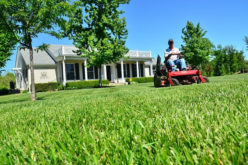
Proper mowing and maintenance practices are key to establishing an eco-friendly lawn. Set your lawnmower blades to the highest recommended height for your grass variety to promote deep root growth, reduce water loss, and discourage weed growth.
Avoid mowing during periods of drought or extreme heat to minimize stress on your lawn and conserve water. If you really want to increase your eco-friendliness, consider investing in battery-powered lawn tools instead of gas-powered options. Additionally, mowing every 10-14 days decreases your carbon emissions.

Seek Professional Advice and Services
If you are unsure where to start or need expert guidance, consider seeking advice from a lawn care service specializing in eco-friendly practices. A professional can assess your lawn’s unique needs, recommend suitable grass varieties and plants, and provide customized solutions for irrigation, pest control, and maintenance.
Working with a knowledgeable and experienced lawn care professional can save you time, effort, and resources while ensuring the long-term health and sustainability of your eco-friendly lawn. Be sure to choose a reputable and certified lawn care company with a commitment to environmental stewardship and sustainability.
Conclusion
You may have never thought of it, but the way that you take care of your lawn not only improves your home but can help decrease your carbon footprint. Starting an eco-friendly lawn is a rewarding journey that benefits both your outdoor space and the environment. Remember to enjoy the process and take pride in your efforts to create a greener and more sustainable outdoor oasis.
Find Yard Maintenance Services Lawn Maintenance Sprinkler Systems Pest Control Tree & Shrubs top-rated, pre-screened local contractors FREE: download contractor selection enter zip code – powered by HomeAdvisor ™


Image credit: eco-friendly lawn by envato.com
end of post … please share it!
| more photo remodeling |
Jump Over to Our Photo Analysis Center for Ideas on
"Renovating Home"
|__________________________________________________________|
home remodeling surprise
find out where it might go - new win


Helpful article? Leave us a quick comment below.
And please share this article within your social networks.