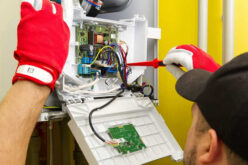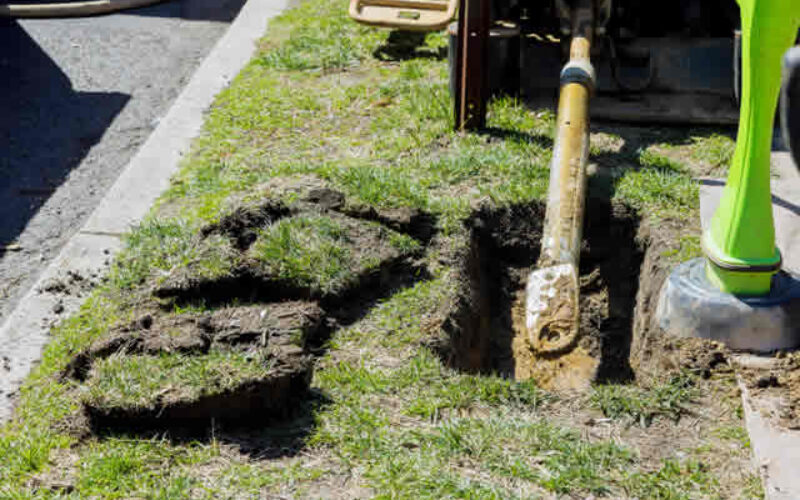
A mere decade ago, the picture of pipe repair painted in one’s mind was marred by images of massive trenches, disrupted traffic, and days of labor-intensive work, culminating in a considerable bill and a ruined garden or driveway.
But with the advent of Spokane trenchless sewer repair, this intrusive approach to maintenance is fast becoming a relic of the past. This innovative method integrates technological advancements with a conscious push towards sustainable and community-friendly practices.
It renders the excessive digging and damage previously characteristic of repairs largely obsolete and offers a high-tech and less invasive solution.
- post content
- Key Takeaways
- Understanding Pipe Degradation and Failure
- Trenchless Technology: A Closer Look
- Comparing the Costs: Trenchless vs. Traditional Pipe Repair
- The Environmental Advantages of Trenchless Repair
- The Role of Inspection in Modern Pipe Maintenance
- Trenchless Technology in Action: Real-World Examples
- Overcoming Challenges with Trenchless Repairs
- The Future of Pipe Repair: What’s on the Horizon?
- side idea:Common Causes of Sewer Line Problems
- view key:collective notes
Key Takeaways
- Innovative trenchless technology is redefining pipe repair, offering sustainable and less disruptive solutions.
- Understanding the causes and signs of pipe failure can help take timely action to prevent significant issues.
- Despite higher initial costs, trenchless methods are often more cost-efficient and environmentally friendly over the long term.
- Regular inspections using advanced technology are crucial for maintaining infrastructure and preventing severe damage.
- The future of pipe repair is bright, with ongoing research and development to improve efficiency and sustainability.

Understanding Pipe Degradation and Failure
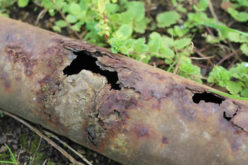
Pipes are susceptible to various degradation processes, much like any infrastructure component with a finite lifespan. Soil composition, water acidity, and urban development can all gradually erode the integrity of a buried pipe.
Ground movement or pressure changes due to construction activity in the area can also stress the system. With the stealthy nature of such deterioration, recognizing the signs early becomes crucial — slow drainage, unexpected increases in water bills, or recurrent clogs can all signal an underlying issue.
Staying vigilant and responding to these red flags is a matter of cost-efficiency and community health, as leaking pipes threaten sanitation and groundwater quality.
Trenchless Technology: A Closer Look
Contrary to traditional methods, trenchless technology has revolutionized the field by eliminating the need for extensive excavation. This innovative approach uses state-of-the-art equipment to repair or replace pipes from within, utilizing access points already in place.
Not only does this minimize the physical footprint of the work, but it also spares property owners the anguish and expenses associated with large-scale digging. Moreover, these methods can be applied to various situations, from residential needs to vast municipal systems.
The process is more than just fixing pipes; it’s an avant-garde trend that champions minimal environmental disturbance and an overall shift toward sustainable urban development.

Comparing the Costs: Trenchless vs. Traditional Pipe Repair
Looking at the cost implications of trenchless methods, there’s often a misconception that the modern technique is cost-prohibitive. While upfront costs can be higher, a comprehensive analysis reveals that trenchless repairs provide significant savings over time.
These savings emerge from decreased labor costs, reduced damage repair for landscaping, and the short duration of the work. Fiscal considerations aside, the reduced environmental impact and the value of preserved community aesthetics offer added intangible benefits worthy of consideration.
From a broader economic perspective, minimizing disruptions translates to sustained local business activity and, therefore, a healthier overall economy. It’s a complex calculation that typically tilts toward trenchless methods when viewed through a holistic lens.
The Environmental Advantages of Trenchless Repair
The environmental benefits of trenchless technology align perfectly with the modern mandate for sustainable practice across all industries. By drastically reducing the need for excavation, the technology plays a significant role in lowering greenhouse gas emissions that would have been produced by earth-moving equipment.
Additionally, the precision of trenchless methods leads to less disruption of soil and underground environments, which helps preserve the ecological balance and reduces the potential for runoff-induced water pollution.
The success of initiatives like these is crucial in the ongoing battle against climate change, illustrating how technology and environmental stewardship can go hand in hand.
The Role of Inspection in Modern Pipe Maintenance
The adage "prevention is better than cure" especially applies to pipe maintenance. Advanced non-destructive inspection tools allow for early detection of potential problems long before they manifest visibly.
Today’s diagnostic equipment can identify current issues and predict areas of concern, allowing for preemptive repairs that save money and avert disasters.
This emphasis on early detection and maintenance serves a dual purpose: extending piping systems’ lifespan while safeguarding public health and the environment from the risks associated with pipe failures.
Trenchless Technology in Action: Real-World Examples
Across the globe, trenchless technology has proven to be an invaluable asset in maintaining and updating urban infrastructure. In the United States, numerous municipalities have seen the benefits firsthand, with streamlined operations causing minimal community interruption and yielding impressive cost savings.
One such highlight is the adoption of these methods by cities that face unique challenges, such as those with dense urban cores, historical landmarks, or sensitive ecological areas where traditional excavation would be untenable or highly destructive.
Overcoming Challenges with Trenchless Repairs
The trenchless industry does face challenges, notably from entrenched ideas about what constitutes "proper" pipe repair and rehabilitation. It is an ongoing task for industry advocates to educate homeowners, business owners, and municipal leaders about the efficacy and benefits of trenchless technology.
Overcoming technical challenges, such as complex underground utility networks or difficult soil conditions, also requires an ongoing commitment to research and technological evolution.
However, these challenges present opportunities for innovation, underscoring the necessity of fostering a culture that embraces change and endorses progressive methods for sustainability and efficiency.
The Future of Pipe Repair: What’s on the Horizon?
The landscape of pipe repair is shifting in exciting ways, with new materials, techniques, and approaches constantly being developed. The coming years promise even more sophisticated methodologies, which will likely deliver solutions that are not just repair-oriented but also preemptively focused on pipe strength enhancement and service life prolongation.
Staying current with such innovations is integral for those in the field. The potential for significant progress in pipe repair efficiency, sustainability, and cost-effectiveness is immense, and this potential drives the industry forward.
Find Plumbing Services Plumbing Issues Drain Clearing Septic/Sewers Water Heaters Pumps Water Softening top-rated, pre-screened local contractors FREE: download contractor selection enter zip code – powered by HomeAdvisor ™


Image credit: evolution of pipe repair by envato.com
end of post … please share it!
| more photo remodeling |
Jump Over to Our Photo Analysis Center for Ideas on
"Renovating Home"
|__________________________________________________________|
home remodeling surprise
find out where it might go - new win


Helpful article? Leave us a quick comment below.
And please share this article within your social networks.