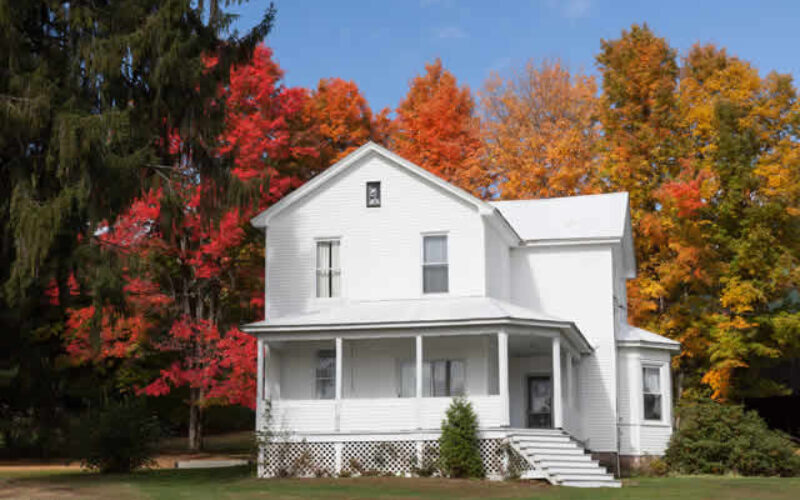
Connecticut boasts diverse antique properties, each with unique character and charm. We’ll delve into the challenges and rewards of renovation of antique homes in Connecticut, navigating historic preservation regulations, and breathing new life into architectural details that have weathered the test of time.
- post content
- Challenges of Navigating the Renovation
- Working with Historic Preservation Regulations
- Preserving Architectural Details
- How to Find Skilled Contractors and Craftsmen
- Planning and budgeting
- Navigate These Renovations Stress-Free Tips
- side idea:The Need of Building Permits and Codes
- view key:collective notes
Challenges of Navigating the Renovation of Antique Homes in Connecticut
Renovating antique homes in Connecticut presents a captivating yet intricate puzzle for homeowners and preservationists alike. The age and wear of the structures often reveal hidden issues, from outdated electrical systems to compromised foundations, requiring meticulous inspection and restoration.
Additionally, the scarcity of original materials can pose a daunting obstacle, compelling renovators to seek authentic substitutes that maintain historical integrity.
However, perhaps the most delicate balance lies in preserving historical elements while modernizing these Connecticut homes. The beauty of antique homes lies in their stories etched into every beam, window, and fireplace.
Striking a harmonious balance between preservation and modernization means seamlessly integrating 21st-century amenities without obliterating the soul of the house. It entails embracing the quirks of antique structures while ensuring they meet contemporary safety standards.
So, the biggest challenge lies in enhancing comfort and functionality without sacrificing the very essence that makes these homes remarkable.

Working with Historic Preservation Regulations in Connecticut
Navigating the world of antique home renovation in Connecticut involves a significant partnership with historic preservation regulations. In Connecticut, historic preservation regulations are designed to identify, protect, and preserve historically significant properties.
They encompass various architectural styles and periods, from Colonial-era saltbox houses to Victorian mansions. These regulations typically classify properties into different categories, such as locally designated landmarks, National Register-listed sites, or properties within historic districts, each with varying levels of oversight.
Firstly, identifying the specific regulations that apply to the antique home in question is paramount. This often involves consulting with local historic preservation boards or agencies and reviewing any relevant zoning codes and ordinances.
Next, it’s crucial to approach renovation projects with sensitivity to the property’s historical significance. This means preserving and restoring original architectural details, such as period-specific windows, moldings, and facades, whenever possible.
Additionally, maintaining the property’s overall historic character, even while modernizing interior spaces, is essential. Securing the necessary permits and approvals from local preservation authorities is vital in complying with regulations.
Preserving Architectural Details of Antique Connecticut Homes
Connecticut’s architecture boasts a rich blend of elements that reflect the state’s heritage. Colonial-era Fireplaces are often the centerpiece of antique homes, featuring intricate brickwork or hand-carved wooden mantels.
Elaborate wooden wainscoting and paneling adorned with intricate designs are a common sight. Original wooden floors, with wide planks and aged patina, add character and warmth to antique homes.
Multi-paned windows, often with small, diamond-shaped panes of glass, are a hallmark of colonial and Victorian architecture. Decorative coffered ceilings with intricate patterns can be found in many historic Connecticut homes.
Elaborate front porches with detailed columns and railings are common, particularly in Victorian-era homes. Preserving these architectural details requires meticulous care and attention, for which you’ll need to find the right contractors and artisans to avoid any mistakes and problems.
How to Find Skilled Contractors and Craftsmen for Your Antique Home Restoration in Connecticut
Finding skilled contractors and craftsmen experienced in antique home restoration is essential to preserve historical integrity during renovation. Start by seeking recommendations from friends, neighbors, or local historic preservation organizations.
Word-of-mouth referrals often lead to skilled professionals. Move to online resources like websites, forums, and social media groups dedicated to historic home restoration.
Next, contact local historical preservation associations or museums. They can often provide a list of trusted professionals with experience in antique home restoration. You can even attend home renovation and restoration shows in your area.
These events often feature skilled artisans and contractors displaying their work. Local building inspectors can be a valuable resource. They are familiar with the contractors in your area and can provide insights into their work quality.

Planning and Budgeting for Antique Home Renovation
When planning a renovation of antique homes in Connecticut, begin by conducting a thorough assessment of the antique home. Identify structural issues, necessary repairs, and restoration needs. This lays the foundation for a comprehensive renovation plan. Afterward, prioritize the preservation of original architectural elements, such as wooden beams, historic windows, or ornate moldings.
Also, set a realistic budget that accounts for unexpected expenses. Don’t forget to include the cost of storage services during renovation in your budget. This can be a great investment as it provides a secure way to protect your things until the upgrades are done.
Next, consult with architects and preservation experts. Their expertise ensures your renovation aligns with historical accuracy and regulatory requirements. Investigate local historic preservation regulations and obtain necessary permits.
In addition, consider energy-efficient upgrades, electrical and plumbing updates, and insulation improvements while preserving the home’s character. Remember to choose materials that match the home’s era. Reclaimed wood, vintage fixtures, and historically accurate paint colors can maintain authenticity.
Furthermore, develop a realistic project timeline. Antique home renovations often take longer due to the attention to detail required. Stay involved throughout the renovation, monitoring progress and ensuring adherence to your budget and preservation goals. Prioritize quality over quantity!

Before you start any home remodeling – such as a kitchen or bathroom remodeling, adding an addition, building a new section onto the home, and other major renovation project, run some financial numbers to determine whether the renovation is a smart investment.
The numbers include the estimated costs, home value assessment, financing costs, and other related calculations.
Review these cost-related issues to remodeling vs. buying a new home.
links to internal page (opens new win)
| analyze the numbers | |
| estimate the cost of your project | |
| start assembling a budget | |
| get your home value |
The 2nd step for planning your home remodeling is deciding what you would like to do.
Will it be a –
- remodeling your kitchen or bathroom,
- converting the attic or basement,
- adding an addition or extension to the home,
- changing out your deck or patio into an all-season room,
- upgrading the home with new windows, doors and flooring,
- redesigning your landscape with new features,
- or something else.
You can find other home remodeling ideas by referencing our home renovation analysis and topic directories (opens new win)
| view remodeling design "ideas" directory | |
| view latest "topics" for home renovation | |
Step 3 is sketching your ideas on paper (or digitally) and developing the spec plan.
The spec plan determines what type of home remodeling materials, items, and design considerations that will be needed. It will also contain the product specifications for each renovation element.
You will use the spec plan and architectural design to bid the project out to a contractor.
links to internal page (opens new win)
| developing the spec plan | |
| sketch remodeling plan | |
| design considerations |
Step 4 is finding and negotiating the contract with a remodeling contractor.
Give your home remodeling ideas and specs to a contractor for review and bid analysis. Use the local network (aligned with HomeAdvisor) to find the right contractor for your project.
Review guides for contractor selection and negotiation.
links to internal page (opens new win)
| search remodeling contractors | |
| selecting your contractor checklist |
| contractor negotiations | |
| contractor evaluation form |
Step 5 is arranging financing once you selected the contractor and finalized the contract for your project.
Using the equity value in your home is one of the best financing option for home remodeling. Start with a home equity line of credit or use the bank equity program.
Other options may include cash-out refinancing, personal savings, and/or financing from home improvement contractors.
links to internal page (opens new win)
| financing options | |
| getting qualified for financing | |
| negotiate rates |
Step 6 is where the project begins.
It starts with setting up the work area, removing everything that needs to be replaced, installing electrical and network connections, putting in the final touches, etc.
It also means working with the contractor, managing the project, and getting the home remodeling project inspected before releasing any funds.
links to internal page (opens new win)
| working with the contractor | |
| managing remodeling project |
| about a home project inspections | |
| find home inspector |
Navigate These Renovations Stress-Free With These Tips
Renovation of antique homes in Connecticut means preserving history and embracing modernity at the same time. It demands meticulous planning, collaboration with experts, and a deep respect for architectural heritage.
Even though it may seem a lot at first, it’s necessary. These steps ensure that these homes maintain their signature look as well as be functional to live in after renovations.
Find Home Remodeling Services Additions Major Remodels Minor Remodels Disability Needs Plumbing Drain Clearing Appliances Electrical top-rated, pre-screened local contractors FREE: download contractor selection enter zip code – powered by HomeAdvisor ™


Image credit: renovation of antique homes by envato.com
end of post … please share it!
|__________________________________________________________|
home remodeling surprise
find out where it might go - new win


Helpful article? Leave us a quick comment below.
And please share this article within your social networks.